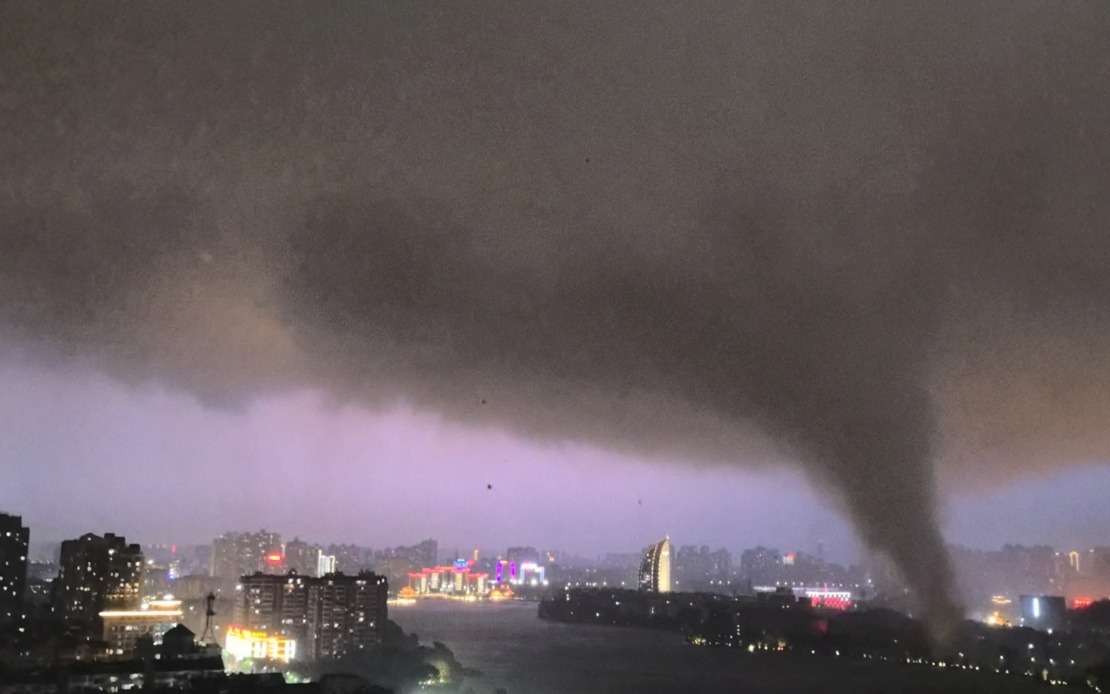
Eastern portions of Hubei Province in central China faced a catastrophic weather event on Monday evening when intense thunderstorms and gales tore through the region during peak hours between 7 pm and 11 pm. The meteorological disaster resulted in 11 confirmed fatalities and one person unaccounted for, with provincial authorities mounting comprehensive emergency response operations in the aftermath.
The severe convective weather system affected four major urban centres simultaneously: Huangshi, Huanggang, Ezhou, and Xianning. Two townships within this zone experienced particularly destructive wind speeds, with measurements reaching level 13 on the gale scale—representing winds powerful enough to cause significant structural damage and pose extreme danger to anyone exposed to the elements. The concentrated timeframe of the storm's passage meant emergency responders had minimal warning before the full force of the weather descended on densely populated areas.
Beyond the tragic loss of life, the physical destruction proved extensive across the affected communities. Rescue teams documented the complete structural failure of 22 buildings, indicating the extraordinary force of the winds and potential tornado activity. An additional 4,855 structures sustained varying degrees of damage, ranging from minor roof damage to compromised walls and foundations. This scale of property damage suggests the storms affected both residential neighbourhoods and commercial districts, likely disrupting utility services and transportation networks across the region.
The injury toll reveals the indiscriminate nature of the disaster. A total of 331 residents required medical attention for weather-related injuries, encompassing everything from minor lacerations and fractures to more serious trauma from flying debris or collapsed structures. Medical facilities across Huangshi, Huanggang, Ezhou, and Xianning would have faced simultaneous pressure treating the sudden influx of patients, stretching local healthcare capacity during the emergency period.
Local authorities confirmed that tornado conditions developed in some areas during the storm's progression, adding another layer of complexity to the disaster response. Tornadoes represent the most violent form of convective weather and are notoriously difficult to predict with precision, leaving residents minimal time to seek shelter. The presence of tornado activity explains the disproportionate structural damage and injury figures compared to typical severe thunderstorm events.
The provincial administration immediately activated comprehensive rescue and relief protocols, mobilizing emergency personnel across affected jurisdictions. Search and rescue teams focused on locating the missing person while simultaneously providing medical assistance to the injured and establishing temporary shelters for those whose homes sustained severe damage. The coordination across multiple municipal authorities demonstrated the scale and urgency of the response operation.
Hubei Province's emergency management officials emphasized preventing secondary disasters as a critical operational priority. Post-storm environmental hazards typically include downed electrical lines creating electrocution risks, unstable building remnants threatening further collapse, contaminated water supplies, and disease transmission in crowded emergency shelters. Structural engineers likely conducted rapid assessments of partially damaged buildings to prevent further casualties from structural failure in the days following the initial impact.
For regional observers in Southeast Asia, the Hubei storm underscores the intensifying frequency and severity of extreme weather events in East Asia. Malaysian meteorologists and disaster management authorities regularly monitor such incidents for comparative analysis, as the region shares exposure to tropical cyclones and intense convective systems during monsoon seasons. The response mechanisms deployed in Hubei offer instructive models for emergency coordination and resource allocation.
The disaster also highlights infrastructure vulnerabilities in rapidly urbanized areas experiencing intense weather stress. Hubei's development trajectory mirrors patterns across Southeast Asian economies, where construction expansion sometimes outpaces resilience planning. The scale of building damage—affecting thousands of structures—suggests potential gaps in building code enforcement or insufficient design specifications for extreme wind loads in the affected regions.
Climate scientists increasingly attribute the rising intensity of convective weather systems to warming atmospheric conditions and altered precipitation patterns. The concentration of destructive power within a four-hour window, affecting multiple major cities, suggests organized convective systems capable of producing supercell thunderstorms. Such meteorological phenomena have become more pronounced in central China over recent decades, paralleling observations in other parts of Asia experiencing rapid climate transitions.
Provincial authorities will likely conduct thorough post-disaster assessments examining building performance, early warning system effectiveness, and emergency response coordination. Findings from such investigations frequently inform updates to building codes, weather forecasting protocols, and civil defence procedures. Neighbouring regions, including those in Southeast Asia, often scrutinize detailed case studies of major disasters to refine their own preparedness frameworks and response capabilities.

