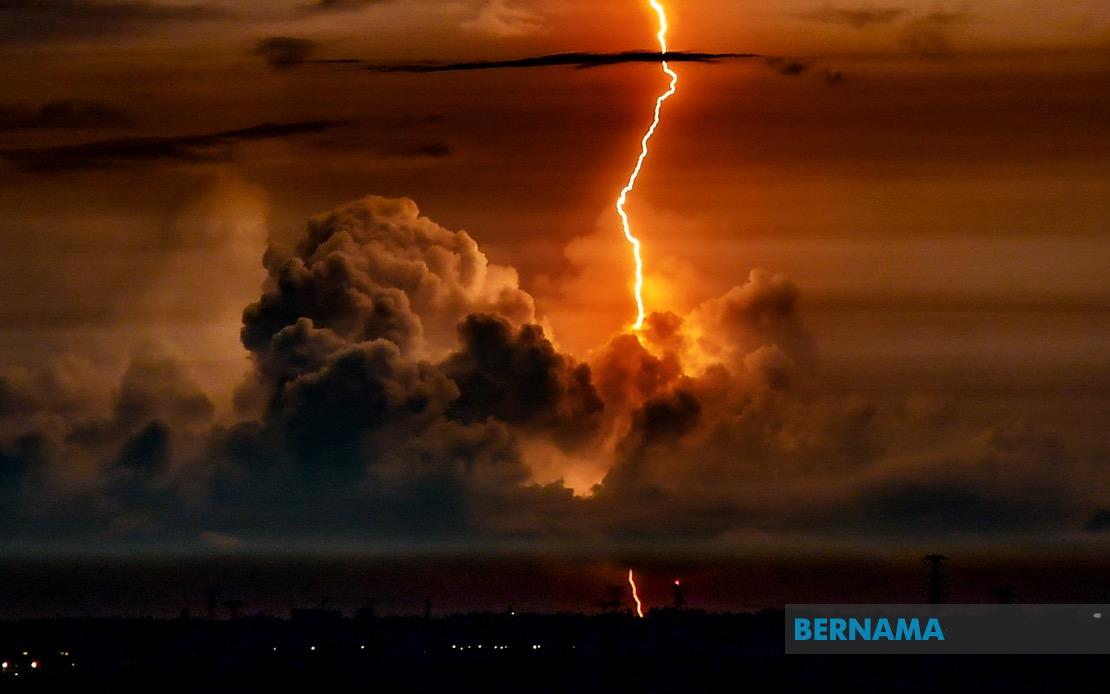
The Malaysian Meteorological Department issued a widespread alert on July 20 cautioning residents and travellers across Malaysia to prepare for a night of volatile weather conditions. The advisory covers seven states spanning both Peninsular Malaysia and the East Malaysian territories, with forecasters predicting thunderstorms, heavy rain and dangerous wind gusts persisting through 9 pm. The alert underscores the onset of the monsoon season, a period when such rapid-onset severe weather becomes increasingly common across the nation.
In the northern peninsula, the states of Kedah and Perak face the most immediate threat. Within Kedah, the districts of Sik and Baling have been specifically identified as vulnerable zones, while in Perak, the inland administrative divisions of Hulu Perak and Batang Padang are expected to bear the brunt of the system. These highland and transitional areas, characterised by complex terrain and varying altitude, often experience intensified rainfall when atmospheric conditions align favourably for storm development.
Terengganu's eastern coastline and interior regions represent another significant area of concern. The affected districts—Setiu, Kuala Nerus, Hulu Terengganu, Kuala Terengganu and Marang—encompass both lowland coastal zones and elevated inland areas. The combination of maritime moisture and orographic lift in such terrain frequently generates substantial rainfall accumulation, raising the prospect of localised flooding in drainage-prone communities.
Pahang, the nation's largest peninsular state, faces an expansive threat zone stretching from its western highland boundary to its eastern seaboard. Seven districts have been flagged: Cameron Highlands, Lipis, Jerantut, Maran, Kuantan, Pekan and Rompin. The inclusion of Cameron Highlands—situated at elevation above one thousand metres—alongside coastal lowlands illustrates the pervasive nature of this weather system. Residents throughout this diverse region should remain vigilant, particularly those in drainage basins and areas prone to flash flooding.
Southern Peninsular Malaysia has not escaped the meteorological service's warning. In Johor, five key areas have been placed on alert: Kluang, Mersing, Kulai, Kota Tinggi and Johor Bahru. The inclusion of Johor Bahru, home to over one million people and the gateway between Malaysia and Singapore, highlights the potential for significant disruption to commerce, transport and daily life. Motorists and public transport commuters should anticipate possible delays and hazardous driving conditions throughout the evening.
East Malaysia, encompassing Sarawak and Sabah, faces an equally expansive threat landscape. In Sarawak, affected areas span the entire state from the capital Kuching in the southwest through to Limbang in the northeast. Kuching district, home to over six hundred thousand residents, sits within the warning zone alongside numerous other administrative divisions. The affected Sarawakian districts include Serian, Samarahan, Sarikei, Sibu, Mukah, Kapit, Bintulu, Miri and Limbang, representing a geographical sweep encompassing both coastal and interior territories.
Sabah's vulnerable zones are similarly distributed across the state's diverse geography. The Interior division, encompassing Sipitang and Tambunan, joins the West Coast districts of Tuaran and Ranau in facing heightened storm risk. The Tawau division, specifically Lahad Datu, alongside Sandakan's eastern districts of Telupid, Kinabatangan and Beluran, round out the threat assessment. In the north, Kudat division's Pitas district completes Sabah's warning map. This broad coverage reflects the pervasive atmospheric instability affecting the state.
Thunderstorms of this intensity pose multifaceted hazards beyond simple rainfall. Strong wind gusts accompanying such systems can topple trees, damage structures and create dangerous projectiles. Visibility reductions stemming from heavy precipitation compound traffic risks, while lightning poses electrocution hazards to those caught outdoors. Residents in affected regions are advised to remain indoors where practicable, secure loose outdoor items and avoid unnecessary travel during the warning period.
The temporal constraint—conditions expected to persist only until 9 pm—provides a defined forecast window allowing authorities and residents to implement protective measures. However, the seven-state coverage and emphasis on multiple hazard types suggests a significant weather system rather than isolated thundershowers. Drainage systems and infrastructure in vulnerable low-lying areas may be tested by the anticipated precipitation volume, potentially triggering localised flooding in drainage-prone localities.
For businesses, particularly retail and hospitality establishments dependent on evening foot traffic, the weather warning represents a potential operational disruption. Public transport operators should brace for service modifications, while hospitals and emergency services should anticipate elevated demand. The coordination of response capacity across such geographically dispersed areas—spanning from Peninsular Malaysia to Sabah—places considerable demands on state and federal emergency management frameworks.
The Malaysian Meteorological Department's issuance of this alert demonstrates the meteorological service's commitment to real-time hazard communication, enabling stakeholders at all levels to make informed decisions. For travellers, the advisory reinforces the importance of monitoring official weather channels before commencing journeys through affected regions. Those in storm-vulnerable occupations, such as construction workers or outdoor retailers, should implement weather contingency protocols.
As Malaysia continues transitioning through the monsoon season, such weather alerts will remain commonplace. Residents across the warned states should treat this forecast with appropriate seriousness, implementing basic preparedness measures and exercising caution. The relatively short duration of the warning—lasting only several hours—underscores the rapidly evolving nature of tropical weather systems, making real-time updates and official guidance particularly valuable for navigation through this volatile evening period.

