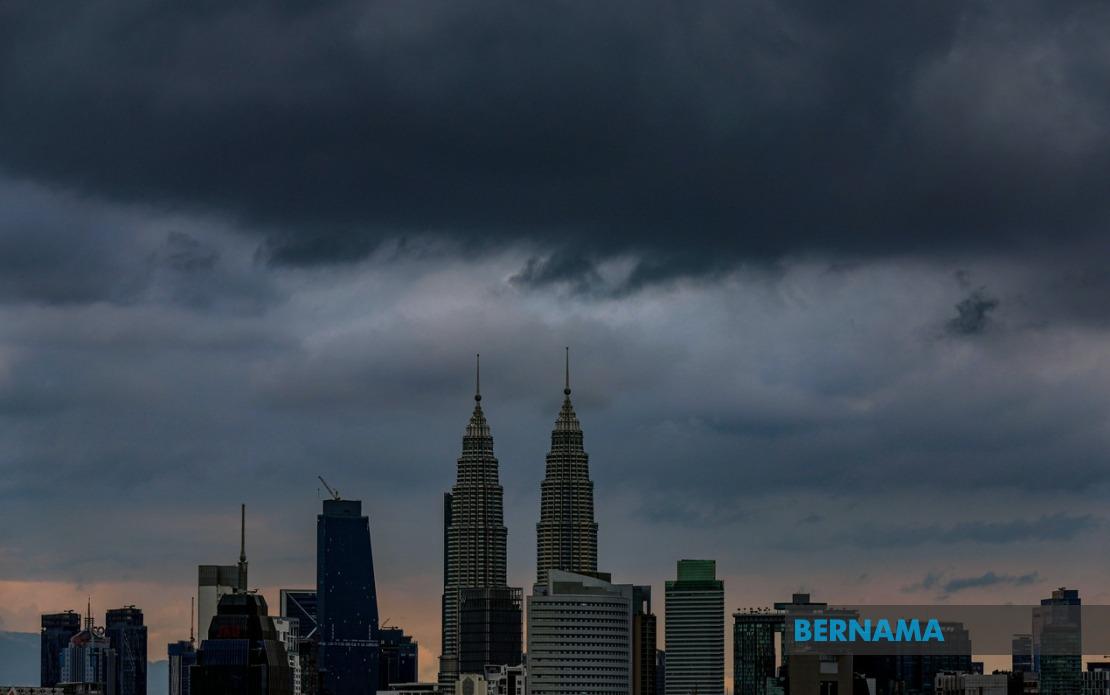
Malaysia's weather authorities have issued an urgent alert for severe atmospheric conditions expected to sweep across a large swathe of the peninsula and East Malaysia throughout the remainder of today, with the hazardous spell set to persist until 7 pm. The Malaysian Meteorological Department flagged the developing situation in a statement released this morning, cautioning residents and commuters across the affected territories to brace for intense thunderstorms accompanied by torrential rainfall and potentially dangerous wind gusts.
The warning encompasses the nation's capital Kuala Lumpur and the federal administrative centre Putrajaya, alongside ten states stretching from the north to the south and across to East Malaysia. In the northern region, the northwestern states of Perlis and Penang face the full brunt of the weather system, whilst Kedah will experience disruptions concentrated in its five northern and central districts: Langkawi, Kubang Pasu, Padang Terap, Kuala Muda and Kulim. The meteorological alert extends into Perak, where seven districts have been flagged for severe conditions—Hulu Perak, Kuala Kangsar, Manjung, Kinta, Perak Tengah, Kampar and Bagan Datuk—indicating a widespread impact across the state rather than isolated pockets of turbulent weather.
East Coast coverage includes significant portions of Kelantan and Terengganu. The alert specifically targets Gua Musang in Kelantan, whilst Terengganu residents in Besut, Setiu, Kuala Nerus, Hulu Terengganu and Dungun should prepare for severe conditions. The interior highland regions are also in the firing line, with the meteorological department identifying Cameron Highlands, Raub, Bentong and Rompin in Pahang as particularly vulnerable zones. These elevated areas often experience amplified weather impacts and could witness flash flooding in low-lying valleys and river systems.
Selangor's vulnerability is distributed across its eastern and central belts, with Hulu Selangor, Gombak, Petaling, Kuala Langat, Hulu Langat and Sepang all placed under alert status. These districts collectively encompass the capital's outlying regions and suburban sprawl, suggesting that commuters and residents in the Klang Valley and surrounding metropolitan areas should expect disruptions to transport networks and potential flooding in flood-prone localities.
The adverse weather system is anticipated to deliver widespread precipitation to Sarawak, Malaysia's largest state. The alert covers communities across multiple administrative divisions: Bau and Kuching in Kuching Division are flagged alongside Serian and Samarahan in the south-western region. Moving inland, the warning extends to Sri Aman and Betong, whilst the central and northern zones encompass Sarikei, Selangau in Sibu Division, Mukah, Song and Kapit in Kapit Division, Tatau in Bintulu Division, and Subis and Miri in Miri Division. This geographic spread indicates the system has considerable reach across Sarawak's diverse terrain.
Sabah's eastern and central interior districts also feature prominently in the warning bulletin. Keningau and Tambunan in the Interior Division represent the inland highland areas, whilst Ranau in the West Coast Division guards the approaches to Mount Kinabalu. The Sandakan Division in the state's east has been flagged extensively, with alerts issued for Telupid, Kinabatangan, Beluran and Sandakan itself, suggesting substantial system coverage across the Sulu and Celebes Sea coastlines and their immediate hinterlands.
Thunderstorm warnings carry particular significance for Malaysian residents given the region's monsoon patterns and the potential for rapid development of severe convective systems. Heavy rainfall poses immediate risks including flash floods in drainage-prone areas, landslides in hilly terrain, and localized inundation of low-lying communities. The strong wind component compounds these hazards, threatening structural damage to poorly secured structures, downed power lines, and hazardous conditions for maritime and aviation operations.
Commuters should anticipate traffic slowdowns on major routes as visibility diminishes and road surfaces become slick, particularly on elevated highways and bridge approaches where wind gusts prove most pronounced. Public transport operators may experience delays or service disruptions. Residents in flood-prone neighbourhoods should consider evacuating to higher ground preemptively rather than waiting for water levels to rise, particularly those in areas with histories of rapid inundation such as the Klang Valley and lowland riverside communities across Peninsular Malaysia and East Malaysia.
The afternoon timeframe until 7 pm represents the critical window during which conditions will remain most unstable. Atmospheric instability typically peaks during late afternoon hours before evening cooling begins moderating convective activity, suggesting that the worst of the weather may concentrate in the hour or two preceding sunset. Residents and workers should complete critical outdoor activities well before mid-afternoon and prepare sheltered spaces for vulnerable family members, livestock and property.
The Malaysian Meteorological Department advises continuous monitoring of official weather updates as conditions may intensify or spread beyond the currently identified zones. Those in affected areas should familiarize themselves with local emergency procedures and maintain readiness to respond to rapidly changing conditions. Drivers should consider delaying non-essential journeys, whilst aviation and maritime authorities should implement appropriate protocols for the expected turbulent conditions across affected regions.

