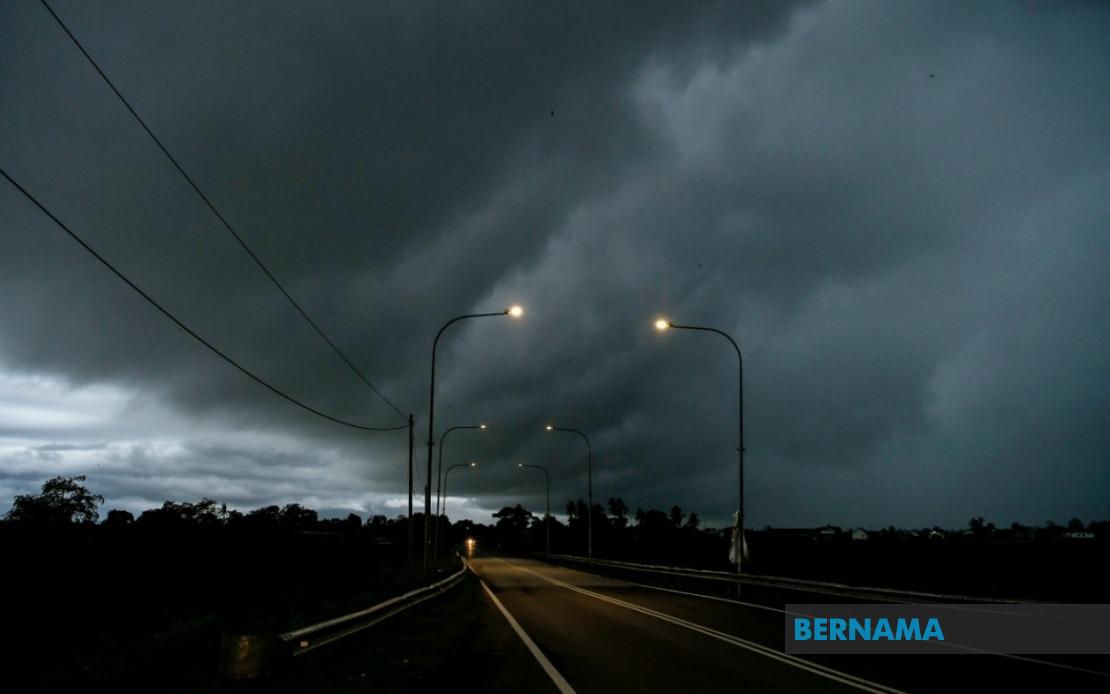
Malaysia's Meteorological Department has raised the alert level for hazardous weather conditions sweeping across five distinct geographical zones, warning residents and authorities to remain vigilant as thunderstorms coupled with intense rainfall and gusty winds are forecast to persist until 1 pm today. The advisory underscores the volatile weather patterns that have characterised the monsoon transition period, with meteorologists urging commuters and outdoor workers to exercise caution during the affected window.
In Peninsular Malaysia, the warning encompasses specific districts within Selangor and Perak. The Selangor alert focuses on the Sabak Bernam constituency, a predominantly agricultural and suburban area north of Kuala Lumpur vulnerable to flash flooding due to its low-lying terrain and proximity to coastal waterways. Perak faces more widespread impact, with the department identifying Manjung, Perak Tengah, Bagan Datuk, and Hilir Perak as high-risk zones, covering portions of the state's industrial and tin-mining regions where drainage infrastructure can become overwhelmed during intense downpours.
The situation in Sarawak appears more complex, with the alert spanning multiple divisions across the state's interior and coastal regions. MetMalaysia has flagged concerns for Betong in the southwestern corner, followed by the Sarikei division encompassing the townships of Pakan, Sarikei, and Meradong in the central region. The Sibu division, home to the state's second-largest urban centre, features prominently in the warning, as do the Mukah division localities of Tanjung Manis and Daro along the coastline. The remote divisions of Kapit and Bintulu, which include Tatau, complement the alert, alongside the northern divisions of Miri and Limbang, indicating that the weather disturbance extends across virtually the entire length of Sarawak's diverse topography.
Sabah's vulnerability is equally pronounced, with three distinct geographical divisions facing the adverse conditions. The Interior Division encompasses Sipitang, Kuala Penyu, and Beaufort, predominantly rural and rugged terrain where mountain runoff can trigger landslides and rapid water accumulation. The West Coast Division, Sabah's economic heartland, includes major urban and industrial areas such as Kota Kinabalu, Putatan, Penampang, Papar, Tuaran, and Kota Belud—regions where flash flooding can disrupt commerce, transport networks, and essential services. The Kudat Division in the northeast, including the township of Kudat itself, represents an additional vulnerable zone for communities reliant on local fishing and agriculture.
The federal territory of Labuan, strategically positioned as Malaysia's primary international financial centre and an offshore hub, faces the same weather hazard across its entirety. The small island's limited drainage capacity and exposure to maritime weather systems render it particularly susceptible to rapid waterlogging and surface flooding, with potential implications for business continuity and administrative functions centred there.
The convergence of these warnings across such geographically dispersed regions—from the developed corridors of Selangor to the remote interior settlements of Sabah and Sarawak—reflects the expansive nature of the meteorological system generating the disturbance. The simultaneous alert for both Peninsular and East Malaysian territories suggests a large-scale atmospheric pattern rather than isolated local convection, potentially linked to the southwest monsoon's interaction with topographical features and warm tropical waters.
For residents and authorities in these areas, the practical implications are significant. Schools, workplaces, and transportation networks should anticipate disruptions. Low-lying communities and those near rivers should prepare contingency plans for potential flooding. The one-hour deadline—1 pm—provides a relatively narrow window for preparations, placing particular importance on prompt public communication and adherence to safety protocols established by local disaster management agencies.
The Malaysian Meteorological Department's decision to issue targeted district-level warnings reflects the increasing precision of modern weather forecasting capabilities, allowing authorities to concentrate resources and public messaging on genuinely vulnerable areas rather than broadcasting blanket cautions across entire states. However, the sheer geographical span of this alert—encompassing approximately one-third of Malaysia's landmass and population clusters—underscores the intensity and scale of the weather system in motion.
Residents should remain alert to updates from MetMalaysia and local authorities, as conditions may evolve beyond the initially forecast 1 pm deadline. Motorists should avoid flooded roads, and those in coastal zones should observe warnings regarding potential storm surge or rough seas. The convergence of heavy rainfall with strong winds poses additional hazards through falling branches, debris, and localised power outages. Emergency services across the five affected states should maintain heightened readiness through the duration of the alert period and into the afternoon hours, when residual moisture and instability may prolong isolated showers even after the primary warning window closes.

