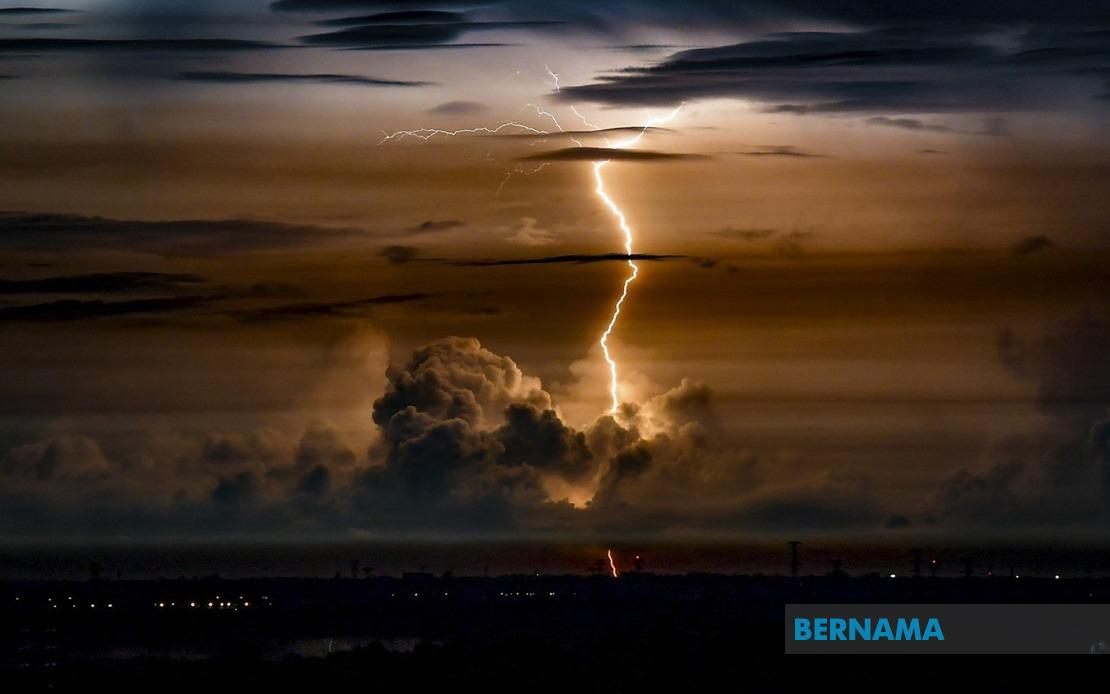
Malaysia's Meteorological Department issued an urgent weather alert on Wednesday covering seven states across the peninsula, warning residents to brace for thunderstorms, torrential rainfall, and gusty winds until 9 pm. The alert, distributed through MetMalaysia's official channels, underscores growing concerns about the intensity and frequency of severe weather events affecting Malaysian territories during the monsoon transition period.
The warning encompasses a geographically diverse region spanning both east and west coasts, demonstrating the widespread nature of the incoming weather system. In Perak, four districts face heightened risk: Bagan Datuk, Muallim, Hilir Perak, and Batang Padang. The entire states of Terengganu and Pahang are under alert, while Johor's Mersing district, known for its coastal vulnerability, has been flagged for particular attention. The expansive coverage suggests a substantial weather formation moving across the region.
On the western seaboard, MetMalaysia's warning extends to Selangor's five districts including Sepang, Klang, Sabak Bernam, Kuala Selangor, and Kuala Langat, areas that experience periodic flooding during heavy downpours. Negeri Sembilan's Rembau and Port Dickson join the alert list, while Melaka's Alor Gajah and Melaka Tengah districts round out the affected zones. The breadth of this warning reflects the scale of the meteorological system bearing down on the region.
Thunderstorms of this magnitude pose multiple hazards beyond rainfall alone. Strong winds accompanying these systems can topple trees, damage structures, and disrupt power supplies across affected communities. For Malaysian road users, particularly those in affected districts, the combination of poor visibility, slippery surfaces, and sudden wind gusts presents genuine transportation risks. The late afternoon and evening timing of the warning—lasting until 9 pm—coincides with the evening commute period, potentially complicating travel for thousands of workers and passengers throughout these regions.
Historically, the transition periods between monsoon seasons in Malaysia frequently generate such severe weather systems. The current alert reflects the seasonal pattern familiar to meteorologists and residents alike, though the scope of this particular warning suggests above-average atmospheric instability. Climate data indicates that such multi-state alerts, while not uncommon, demand public awareness and preparedness from both government agencies and private citizens.
Residents in affected areas are typically advised to remain indoors during the warning period, secure loose outdoor items, and monitor official channels for updates. Businesses and public institutions should review their emergency protocols, particularly those managing vulnerable populations such as hospitals, care facilities, and transport hubs. For agricultural stakeholders in Perak, Terengganu, and Pahang, sudden heavy rainfall can impact crop schedules and potentially cause localized flooding in low-lying farmland.
The warning's geographic spread across seven states carries implications for economic activity, with disruptions possible in logistics, construction, and outdoor commercial operations. Port operations in areas like Port Dickson and Kuala Selangor may experience delays or temporary suspensions if wind speeds exceed safety thresholds. Manufacturing zones in Selangor's Klang Valley—Malaysia's industrial heartland—could face brief operational interruptions should power distribution be affected.
For residents and businesses in these seven states, MetMalaysia's alert represents the meteorological authority's assessment based on real-time atmospheric data and forecasting models. The specificity of the warning—naming individual districts rather than issuing blanket state alerts—reflects increasingly granular weather prediction capabilities. This precision allows residents and emergency services to focus preparedness efforts on likely impact zones rather than speculating about broader regional effects.
The advisory carries particular weight for coastal and low-lying communities within Mersing, Port Dickson, and Klang, where drainage systems may be overwhelmed by rapid rainfall accumulation. Flash flooding remains a credible risk in these localities when severe weather systems deliver intense precipitation over short periods. Authorities in these areas typically activate contingency plans when such alerts are issued, including pre-positioning of rescue equipment and personnel.

