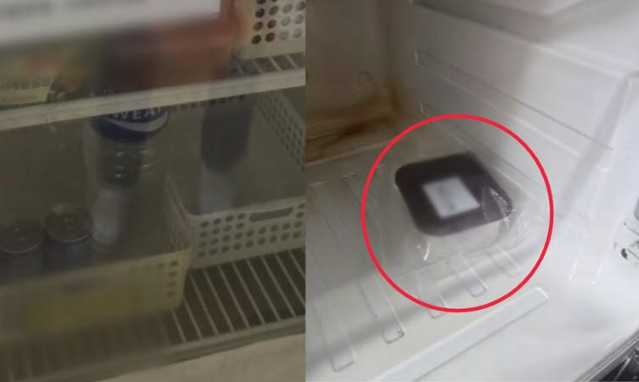
A nursing facility in Seoul has come under scrutiny from South Korean health authorities following the discovery of a patient's severed toe stored in a kitchen refrigerator alongside food and beverages. The severed digit, which had been placed inside a disposable porridge container, remained in the refrigerator for approximately two weeks before the patient's family uncovered it during a visit. The incident, first reported on August 19, has triggered questions about institutional oversight and regulatory compliance at healthcare facilities across South Korea.
The toe belonged to a man in his sixties with intellectual disabilities who has resided at the nursing hospital for a decade. According to accounts from his family, the amputation occurred in March when nursing staff moved him in a wheelchair to prepare for bathing. Hospital personnel explained that the patient fell during this transfer, causing a toe that was already affected by skin necrosis to become detached. The family has alleged that they received no prior notification regarding a foot ulcer diagnosis, despite medical records indicating that the condition had been documented since December of the previous year.
The discovery raises significant concerns about patient communication and transparency within the institution. The gap between the documented diagnosis in December and the family's stated lack of awareness suggests possible failures in the facility's protocols for informing guardians about serious health developments. For families of vulnerable patients with intellectual disabilities, clear and timely medical communication is essential for informed decision-making and oversight of care quality. The circumstances surrounding this case illustrate how institutional secrecy can compound harm and erode trust in healthcare providers.
South Korea's regulatory framework explicitly addresses how medical waste must be handled. The nation's Waste Control Act mandates that medical waste be stored in designated containers meeting specific safety standards. The practice of placing human tissue in ordinary food containers and storing it alongside kitchen items represents a clear violation of these requirements. Additionally, food sanitation regulations prohibit the storage of human tissue in refrigerators used for food and beverages, creating a dual compliance breach that affects both medical waste management and public health standards.
The hospital's response to the discovery has centred on claims of operational necessity. Management stated that staff lacked an appropriate container for storing the severed digit and therefore made an ad hoc decision to place it in the refrigerator as an urgent measure. This explanation, however, fails to address why the tissue was retained for two weeks or why family members were not immediately contacted about the incident. It also raises broader questions about whether the facility maintains adequate supplies and protocols for handling unexpected medical emergencies. A well-managed healthcare institution should possess proper equipment and procedures for all foreseeable scenarios, particularly in nursing homes where complications are commonplace.
For Malaysian healthcare stakeholders and administrators, this incident carries instructive value regarding institutional accountability. Nursing homes and long-term care facilities throughout Southeast Asia, including Malaysia, handle vulnerable populations with limited ability to advocate for themselves. The Seoul case demonstrates how the absence of robust regulatory oversight and transparent family communication protocols can result in undignified treatment of patients and blatant safety violations. Malaysia's healthcare regulatory bodies might examine whether domestic facilities similarly face gaps in equipment standards or training for managing medical emergencies within appropriate legal and ethical frameworks.
The South Korean Health Ministry's decision to request a full administrative investigation by local government underscores the seriousness with which authorities view the breach. An investigation of this scope will likely examine not only the immediate incident but also broader institutional practices regarding medical waste management, staff training, equipment adequacy, and family communication protocols. The outcome may inform revised guidance for similar facilities operating throughout South Korea and potentially influence how other regional governments approach oversight of healthcare providers caring for elderly and disabled residents.
This incident also highlights the particular vulnerability of patients with intellectual disabilities in institutional settings. Such patients may lack the capacity to report mistreatment or unsafe conditions, placing them entirely dependent on family vigilance and institutional integrity. The Seoul nursing home's apparent assumption that family members would not discover the severed toe suggests a troubling indifference to monitoring and accountability. Strengthening protections for this population requires both regulatory enforcement and cultural change within healthcare institutions toward greater transparency and respect for patients' dignity.
The overlap between food safety violations and medical waste mishandling in this case compounds the seriousness. Storing human tissue in a refrigerator used for food creates potential contamination risks that extend beyond the facility's patients to staff members and anyone consuming food handled within that environment. This dimension elevates the incident from a narrow breach of medical protocols to a broader public health concern that justifies regulatory intervention. Healthcare facilities must understand that deviation from established procedures is not merely bureaucratic inconvenience but fundamental to preventing harm.
The implications for facility management standards across Southeast Asia warrant attention from professional bodies and government health departments. Developing nations and those with emerging healthcare systems often struggle with enforcement of waste management standards, particularly in smaller private facilities operating with minimal oversight. The Seoul case provides a concrete example of why such standards exist and why compliance should be non-negotiable. Facilities claiming resource constraints or operational pressure should not be permitted to substitute improvisation for proper procedures when handling medical waste and maintaining food safety.
Moving forward, the Seoul hospital's experience should prompt comprehensive audits of similar facilities throughout South Korea and neighbouring countries. Such reviews should assess whether institutions possess adequate infrastructure, staff training, and operational protocols for handling medical emergencies in ways that respect both regulatory requirements and patient dignity. For Malaysian healthcare providers and regulators, the incident serves as a reminder that regulatory diligence and family transparency represent essential safeguards for populations that cannot fully protect themselves. As healthcare systems across the region expand services for ageing and vulnerable populations, the standards governing institutional care become increasingly critical to public health and social wellbeing.

