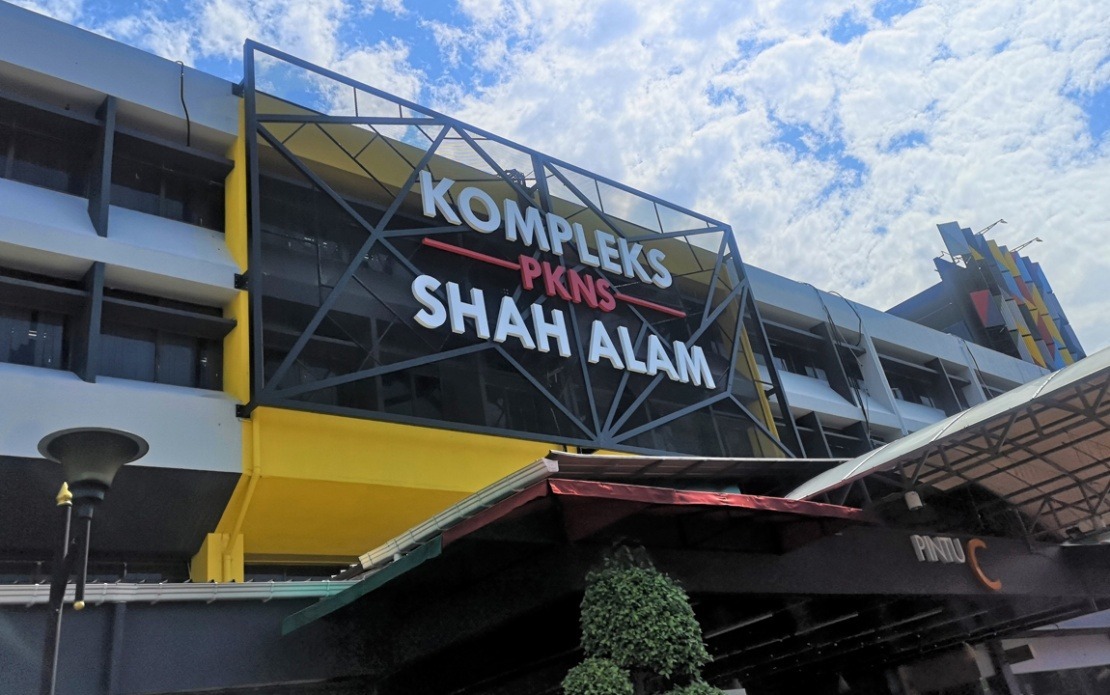
The Shah Alam PKNS Complex reopened for business on July 3 following a fire that struck the premises the previous afternoon. The Selangor State Development Corporation confirmed that all mandatory safety protocols and inspections had been completed, allowing the facility to return to normal operations. The swift response by facility management and emergency services prevented what could have been a more serious incident at one of Selangor's major commercial developments.
Initial findings from the building's facility management team point to an Air Cooled Package Unit panel within an Air Handling Unit room on the first floor as the source of the fire. This type of electrical failure in climate control systems, while not uncommon, underscores the importance of regular maintenance and inspection schedules for large commercial properties. The ACPU, which handles heat rejection for air-conditioning systems, can present fire risks if not properly maintained or if electrical components deteriorate over time.
In response to the outbreak, complex management immediately cut power to the affected area and disabled the air-conditioning system as a precautionary measure. These decisions, while reducing immediate comfort for occupants, were essential to preventing the flames from spreading or being fuelled by continued electrical current. The facility's emergency protocols also kicked in without delay, with management using the public address system to initiate an orderly evacuation of Phase 1 of the building.
The Selangor Fire and Rescue Department demonstrated effective crisis response by containing the blaze within a relatively short timeframe, preventing it from extending to adjacent sections of the complex. Such containment is crucial in multi-tenant commercial buildings where fires can spread rapidly through shared ventilation systems and electrical conduits. Assistant Director of Operations Ashrul Riezal Asbar from the Selangor fire authority confirmed that no casualties resulted from the incident, a positive outcome that reflects both the building's safety infrastructure and the professionalism of emergency responders.
For businesses and workers operating within the Shah Alam PKNS Complex, the incident highlights the critical importance of maintaining robust emergency response systems in commercial properties. The complex houses numerous companies and serves as a hub for economic activity in the Shah Alam region, making its operational continuity significant for the broader business ecosystem. The rapid reopening demonstrates that the facility's redundant safety systems and rapid-response protocols functioned as intended.
The ongoing investigation into the precise cause of the fire remains with the Selangor Fire and Rescue Department. Understanding whether this was a simple electrical fault, a maintenance oversight, or a systemic issue will be important not only for PKNS but also for other property managers in the region. If the investigation reveals gaps in maintenance or inspection procedures, it could prompt wider reviews of how commercial buildings manage their critical systems.
From a risk management perspective, this incident serves as a practical reminder for Malaysian facility managers about the importance of preventive maintenance for air-conditioning and HVAC systems. These systems, while essential for comfort in tropical climates, can pose genuine fire hazards if not properly monitored. Many facilities may benefit from reviewing their inspection schedules and updating maintenance protocols based on the findings from this investigation.
For the Selangor State Development Corporation, the successful management of this crisis and the prompt reopening demonstrates operational resilience. PKNS, as the state development agency, operates several complexes across Selangor, and how it handles such incidents influences public confidence in its property management standards. The corporation's transparent communication about the incident and swift restoration of services reflects professional crisis management.
The incident also underscores a broader consideration for commercial property operators across Malaysia: the cost of downtime, while mitigated by swift resolution, remains a significant business risk. Companies operating from the complex would have experienced disruption on the day of the fire, affecting their operations and potentially their clients. While a few hours' closure is manageable, it illustrates why investment in fire prevention and rapid emergency response systems yields tangible financial benefits beyond mere regulatory compliance.

