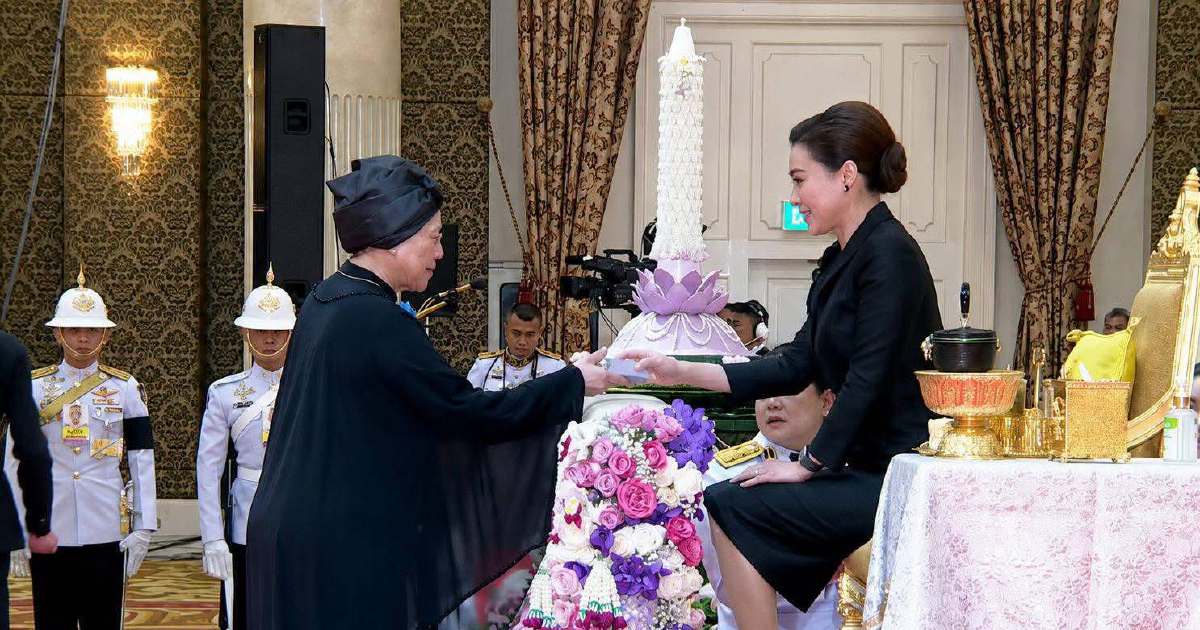
Prime Minister Datuk Seri Anwar Ibrahim and his wife Datuk Seri Dr Wan Azizah Wan Ismail have publicly recognised Prof Emerita Tan Sri Datuk Seri Dr Sharifah Hapsah Syed Hasan Shahabudin for receiving the Outstanding Woman Award for Social Development. The recognition comes as Malaysia continues to assess the broader role women play in advancing the nation's social and economic agenda, with government officials increasingly vocal about gender inclusion in development initiatives.
The award to Sharifah Hapsah represents a significant acknowledgement of her decades-long career and scholarly contributions to Malaysian society. As someone who has held numerous leadership positions and maintained an active presence in academic and public policy circles, her trajectory reflects the pathways available to accomplished women within Malaysia's institutional structures. The timing of such recognition also signals the current administration's commitment to celebrating female achievers across multiple sectors.
For Malaysian women broadly, Sharifah Hapsah's honour carries symbolic weight beyond the individual accolade. It validates the professional accomplishments of women working in traditionally male-dominated fields and reinforces the narrative that gender diversity strengthens institutional performance and social outcomes. The Prime Minister's personal involvement in celebrating this award elevates its visibility within government circles and demonstrates that senior leadership acknowledges the necessity of women's participation in solving complex policy challenges.
The Outstanding Woman Award for Social Development specifically recognises contributions to societal welfare and community advancement. This particular designation suggests that Sharifah Hapsah's work has extended beyond academic research or administrative duties into tangible improvements in how societies function. Whether through advocacy, programme design, mentorship, or policy influence, her career path exemplifies the type of engagement that administrators and policymakers hope to encourage among Malaysian women entering professional life.
Anwar Ibrahim's public congratulations carry institutional significance. As Prime Minister, his explicit endorsement sends a message throughout the government bureaucracy that women's achievements merit formal recognition and celebration at the highest levels. This approach can influence how organisations at federal, state, and local levels approach their own recognition programmes and recruitment strategies, potentially creating cascading effects throughout Malaysia's institutional landscape.
The involvement of Datuk Seri Dr Wan Azizah Wan Ismail in conveying the congratulations further amplifies the women-centred message. As an accomplished figure in her own right, her participation underscores that celebrating female achievement is not merely a symbolic gesture but reflects the actual integration of women into Malaysia's power structures. When women leaders celebrate other women's accomplishments, it creates visibility for the networks and mentorship systems that support professional advancement.
Within the Southeast Asian context, Malaysia's approach to recognising women's contributions positions the nation among regional peers grappling with similar questions about gender inclusion and economic participation. Thailand, Singapore, and Indonesia have all implemented various strategies to highlight women's roles in development, making this an area of active regional policy discussion and competition for demonstrating commitment to gender equity.
The social development focus of Sharifah Hapsah's award also reflects Malaysia's broader developmental priorities. As the nation navigates post-pandemic recovery and grapples with questions about inclusive growth, healthcare delivery, education access, and community resilience, women's perspectives and leadership become increasingly valuable. Development economists across the region have documented that women's participation in policy formulation often leads to programmes that address more comprehensive social needs rather than purely economic metrics.
For younger Malaysian women considering academic or public service careers, Sharifah Hapsah's recognition provides a visible example of professional longevity and institutional respect. Role models within one's own cultural and professional context significantly influence career aspirations, particularly in fields where women remain underrepresented in senior positions. When government leaders publicly celebrate such achievements, they effectively broaden the career horizons that young women can envision for themselves.
The award also invites reflection on how Malaysian institutions measure and recognise achievement generally. The specificity of the Outstanding Woman Award for Social Development suggests that Malaysia has developed mechanisms to distinguish and honour women's contributions in particular domains. This targeted approach, while addressing historical recognition gaps, also raises questions about whether comparable mechanisms exist across all professional sectors and whether gender-specific recognition programmes eventually become unnecessary as institutional gender balance improves.
Moving forward, the significance of this award extends beyond individual celebration to broader questions about female representation in Malaysia's decision-making structures. As the nation continues developing its talent pool and preparing leadership for future challenges, the visibility of accomplished women like Sharifah Hapsah helps establish cultural narratives where female achievement is normalised rather than exceptional. This gradual shift in institutional culture often precedes measurable changes in the percentage of women holding senior positions across government, academia, and business.

