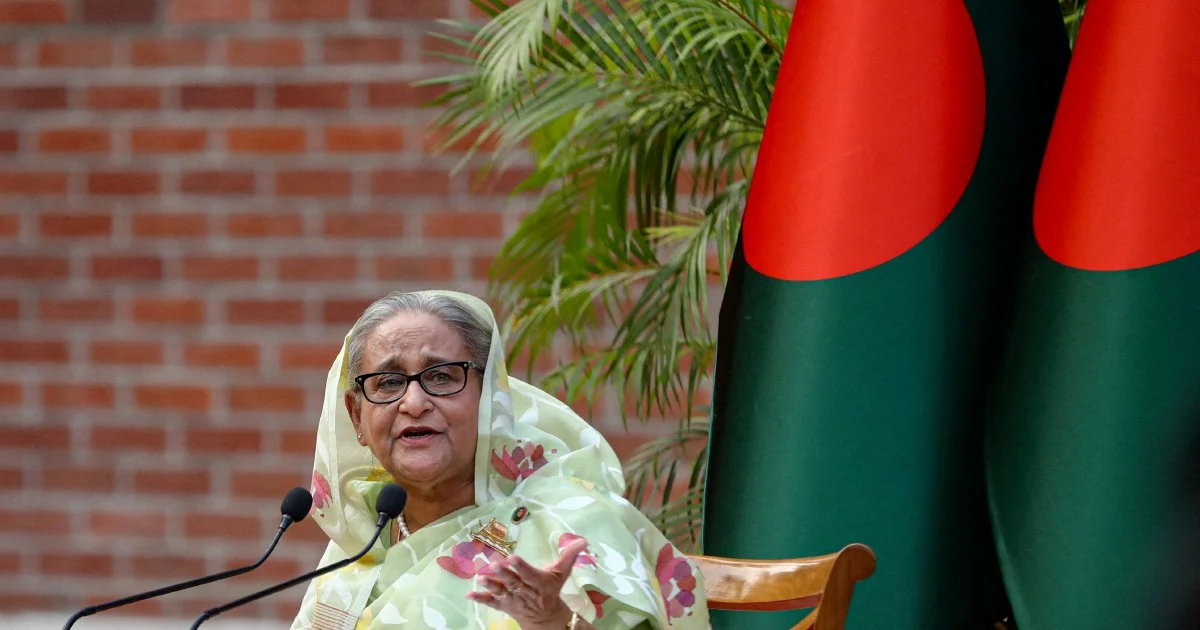
The government of Bangladesh has issued a stark warning to ousted Prime Minister Sheikh Hasina, signalling that incarceration awaits her if she chooses to end her self-imposed exile and return home from India. A senior minister made the declaration on Monday, in what appears to be a direct response to comments Hasina made to Reuters just days earlier, in which she indicated plans to come back to Bangladesh in December and present herself before the courts.
Hashina's departure from Bangladesh earlier this year marked a significant political upheaval in South Asia's second-largest economy. The circumstances surrounding her exit and the subsequent transfer of power have triggered intense legal scrutiny, with multiple cases filed against her during the current administration. Her stated willingness to face the judicial system upon return contrasts sharply with the government's hardline position, suggesting a profound breakdown in political dialogue and a polarised domestic environment.
The warning from Bangladeshi officials underscores the deeply fractured state of the country's political landscape. Rather than welcoming dialogue or judicial proceedings that could provide closure, the government appears intent on using the legal system as a tool of political pressure. This approach carries significant implications for the region, as it signals a concerning trend in how power transitions are managed in South Asia, where personal safety of former leaders increasingly depends on their willingness to remain in self-imposed exile.
Hashina's current refuge in India, a neighbouring country with which Bangladesh shares complex historical and diplomatic ties, adds another layer to the crisis. New Delhi has traditionally provided asylum to various political figures from the region, though the arrangement remains delicate given the broader geopolitical context of India-Bangladesh relations. Her presence in India, meanwhile, keeps questions about her future status perpetually in international focus.
The judicial cases pending against Hasina reportedly involve serious allegations stemming from her administration's final years in power. The specifics of these charges have become focal points of intense debate within Bangladesh, with her supporters arguing the cases are politically motivated, while her opponents maintain they represent necessary accountability. This fundamental disagreement over the legitimacy of the legal proceedings reflects the broader polarisation affecting Bangladeshi society.
Hashina's suggestion of voluntarily surrendering to court represents a calculated political gambit. By publicly declaring her willingness to face justice, she positions herself as confident in her legal standing and willing to engage with the system, a posture that appeals to her political base while potentially testing international and regional opinion. However, the government's categorical rejection of this proposal eliminates the possibility of a negotiated return and raises questions about what her detention would entail.
The impasse reveals a troubling pattern in which political disputes increasingly become legal confrontations rather than matters resolved through democratic discourse. For Malaysian observers, this situation provides instructive lessons about the dangers of allowing judicial systems to become instruments of political revenge, a concern that resonates given Malaysia's own experiences with law being weaponised in political struggles.
International observers have begun scrutinising Bangladesh's handling of the situation, though formal commentary remains cautious. Neighbouring countries including Malaysia, as well as major international actors, typically prefer to avoid direct intervention in the internal affairs of their peers. Nevertheless, the precedent being established—whereby a former leader facing legal jeopardy cannot safely return home—carries implications for regional stability and the norms governing democratic transitions.
Hashina's party, which governed Bangladesh for much of the past two decades, retains substantial popular support in certain areas, creating a significant domestic constituency concerned about her welfare and the apparent politicisation of justice. This support base ensures that her situation remains a living political issue rather than a settled matter, complicating any path toward reconciliation or closure.
The timing of the government's warning, coming immediately after Hasina's public statements about her intended return, suggests a deliberate effort to deter her from following through on her announced plans. By making the consequences explicit and unambiguous, officials leave no room for misunderstanding about what would occur should Hasina attempt to come back to Bangladesh. This hardline stance indicates little appetite within current leadership for any form of political settlement or amnesty.
For the broader region, this situation exemplifies how political crises in one country can create ripple effects across borders. Malaysia and other Southeast Asian nations maintaining relations with both Bangladesh and India must navigate these complexities carefully, balancing respect for Bangladeshi sovereignty with concerns about the rule of law and fair judicial process.
The standoff between Hasina and the current government remains unresolved, with each side entrenched in its position. Unless significant political shifts occur or international pressure increases substantially, the prospect of Hasina's return appears increasingly remote, leaving Bangladesh's political divisions unhealed and questions about accountability unresolved through legitimate channels.

