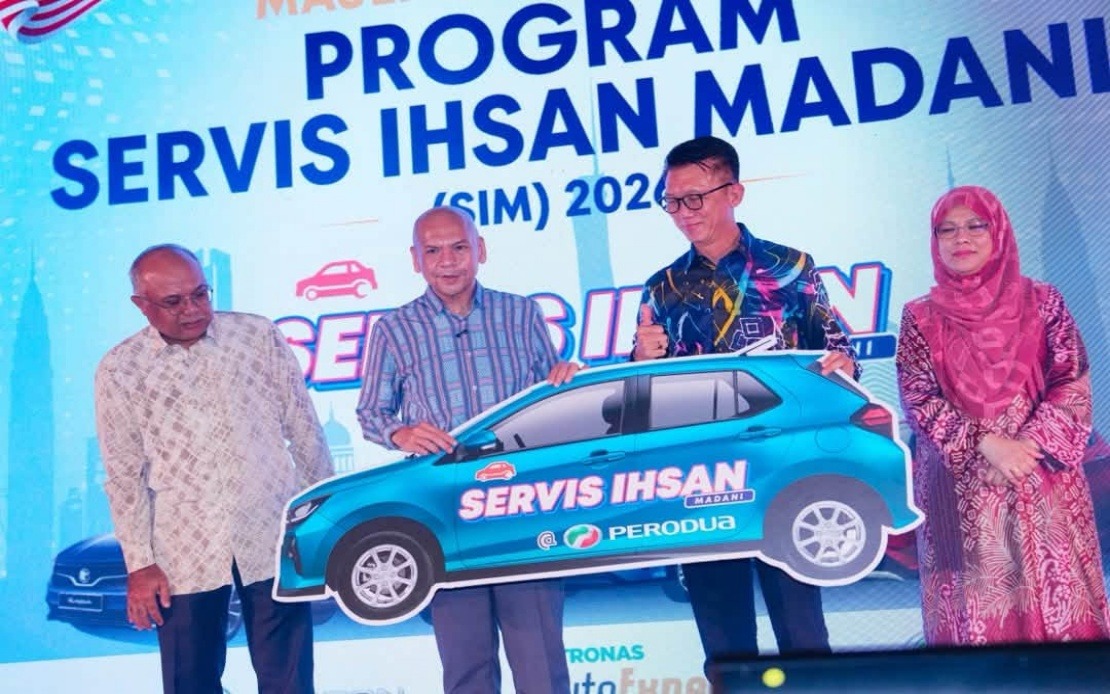
The Ministry of Domestic Trade and Cost of Living has widened the scope of its popular car maintenance assistance initiative, bringing RM70 subsidies to owners of Perodua and Proton vehicles through a network that now encompasses over half a thousand service and repair locations across Malaysia. Datuk Armizan Mohd Ali, the ministry's head, unveiled the expansion during National Month 2026 celebrations, signalling the government's commitment to extending consumer relief programmes into the automotive maintenance sector alongside its broader affordability agenda.
The enlarged scheme now operates through 531 participating establishments, a substantial infrastructure spanning 221 Perodua authorised centres, 186 Proton locations, and 124 workshops run by PETRONAS AutoExpert. This three-pronged network ensures geographical coverage across urban and rural areas, making the subsidy accessible to millions of Malaysian motorists who depend on these two locally-assembled vehicle brands. The decision to include both national carmakers reflects a strategic approach to supporting the domestic automotive ecosystem while delivering tangible financial relief to household budgets strained by rising maintenance expenses.
Vehicle owners keen to participate must book services through the respective companies' digital platforms—a requirement designed to streamline administration and prevent fraud while encouraging digital adoption among consumers. This digital-first approach aligns with Malaysia's broader push towards integrated e-government services and creates valuable transaction data for policymakers monitoring programme effectiveness. The booking mechanism also allows service providers to manage demand more efficiently, potentially reducing wait times during peak maintenance seasons.
Armizan framed the expansion as integral to the Payung RAHMAH MADANI umbrella initiative, which Prime Minister Datuk Seri Anwar Ibrahim has positioned as central to the "Malaysia MADANI: Kesejahteraan Dinikmati" governance philosophy. This framing connects automotive maintenance support to a larger narrative about equitable prosperity, suggesting the government views car upkeep—often overlooked in subsidy discussions—as essential to household financial wellbeing and road safety. For Malaysian families, regular vehicle servicing prevents breakdowns that can cascade into transportation disruptions, lost income, and safety hazards, making the RM70 rebate meaningful beyond its nominal value.
Beyond immediate cost savings, officials acknowledge the programme targets behavioural change, encouraging vehicle owners to adhere to recommended maintenance schedules rather than deferring services until emergencies force costly repairs. This preventative mindset could reduce accident rates linked to poorly maintained vehicles and extend vehicle lifespans, delivering secondary benefits to consumers and the environment. The subsidy removes financial friction that often prevents lower-income households from performing timely maintenance, a psychological and economic barrier that modest subsidies can effectively eliminate.
The initiative sits within a broader constellation of affordability measures unveiled for National Month and Malaysia Day 2026. Complementing the automotive programme, the government is coordinating with retail platforms like TikTok Shop Malaysia to launch the Jualan Ihsan RAHMAH 9.9 online sale on September 9, offering 10 to 30 percent discounts on essential goods. This multi-sector approach suggests policymakers recognise that comprehensive cost-of-living relief requires simultaneous action across food, transportation, maintenance, and consumer goods—areas where ordinary Malaysians spend disposable income.
The timing of these announcements, coinciding with national celebrations, carries political significance in Malaysia's electoral calendar. Consumer-focused subsidies and rebate programmes traditionally enjoy strong public approval, and their announcement during festive periods amplifies their visibility and connects government benevolence to patriotic sentiment. For the ministry and its political overseers, associating affordability initiatives with Malaysia Day and National Month rhetoric frames economic support as an expression of national unity and shared prosperity rather than mere electoral positioning.
From a Southeast Asian perspective, Malaysia's expansion of sectoral subsidies reflects regional trends in targeted rather than blanket support. Unlike fuel or food price caps, which distort markets and strain government finances, maintenance rebates channelled through service providers create incentive structures that reward participation and compliance. Other ASEAN nations facing cost-of-living pressures may observe Malaysia's model as a scalable alternative to traditional subsidy mechanisms that have proven economically unsustainable in countries across the region.
The partnership between government and private service providers—Perodua, Proton, and PETRONAS AutoExpert—demonstrates a collaborative approach where commercial entities shoulder administrative burdens in exchange for increased customer traffic. This public-private structure reduces direct government expenditure while enlisting private sector infrastructure and expertise. For participating companies, the subsidy effectively functions as a marketing tool, building brand loyalty and customer lifecycle engagement that extends beyond individual transactions into long-term service relationships.
Implementation challenges remain largely unaddressed in official statements. Questions about subsidy sustainability, funding mechanisms, and whether the RM70 amount meaningfully covers typical service costs require clarification. If rebates attract demand exceeding allocated budgets, queuing and rationing could undermine programme credibility. Additionally, the digital booking requirement potentially disadvantages older vehicle owners or those with limited smartphone literacy, creating inadvertent equity gaps within a programme ostensibly designed for mass accessibility.
For Malaysian consumers, particularly Perodua and Proton owners in lower-income segments, the expansion represents genuine relief in a household budget category where choices are limited. Unlike shopping discounts that reward consumption, maintenance subsidies support necessary vehicle upkeep that directly affects safety, reliability, and the ability to access employment and services. The RM70 rebate—approximately 15 to 20 percent of routine servicing costs—could determine whether households prioritise vehicle maintenance or defer it in months of financial tightness.
The programme's success will ultimately depend on uptake rates, customer satisfaction, and whether the subsidy translates into behaviour change toward preventative maintenance. Government communications should emphasise the safety and economic benefits of regular servicing while ensuring all demographic groups can easily access booking systems. As Malaysia navigates persistent cost-of-living pressures, programmes like this demonstrate a policy preference for targeted, behaviour-shaping interventions over blanket price controls, a distinction that may define the government's economic management approach in coming years.

