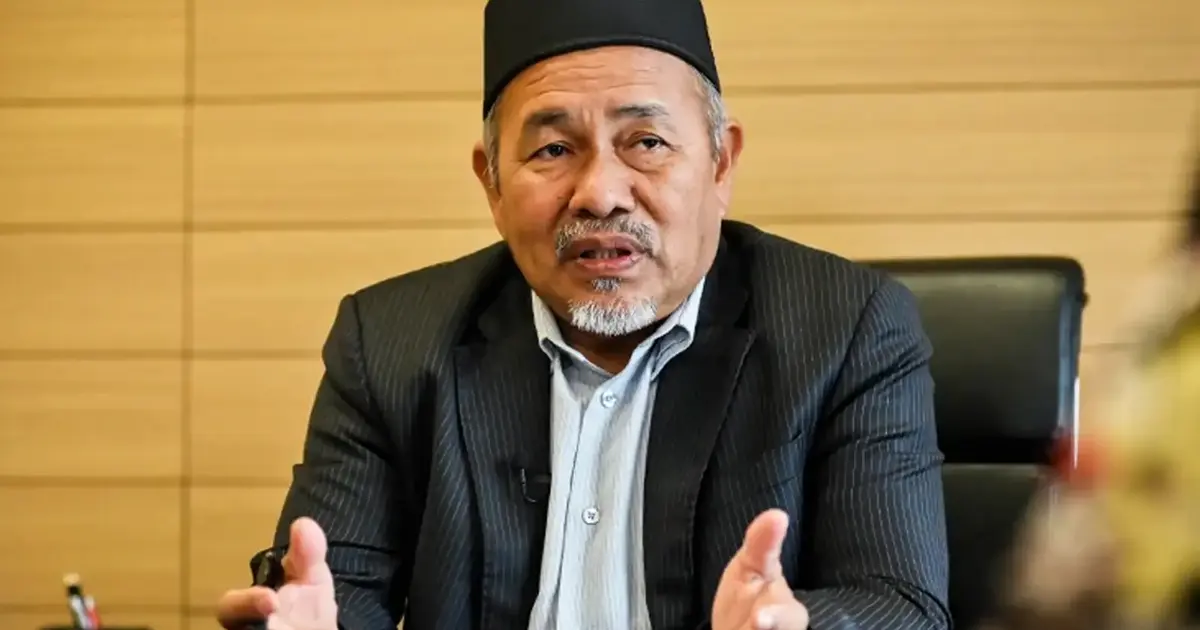
The longevity of Malaysia's PAS-Umno political partnership hinges on both parties demonstrating authentic commitment and articulating a cohesive vision for the nation, according to PAS treasurer-general Iskandar Abdul Samad. His remarks reflect growing attention to the stability of this crucial coalition at a time when Malaysian politics remains fluid and coalition dynamics frequently shift.
The PAS-Umno alignment, which consolidated significantly following the 2022 elections and subsequent political realignments, represents one of the nation's most significant political pacts in recent years. This partnership brought together Malaysia's oldest political party with a Islamist-oriented movement, creating a government structure at both federal and state levels. The alliance's durability matters considerably for Malaysia's political trajectory, given the combined electoral influence of both organisations.
Iskandar's emphasis on sincerity signals awareness that political alliances in Malaysia frequently succumb to internal tensions, conflicting agendas, and competing claims over resources and ideology. Many previous coalition arrangements have fractured when partners pursued divergent interests or when grassroots dissatisfaction prompted party leaders to distance themselves from their allies. The PAS-Umno partnership must overcome these structural vulnerabilities through genuine mutual respect and transparent communication.
Beyond sincerity, the treasurer-general's insistence on shared vision addresses a fundamental challenge facing the coalition. PAS operates primarily from an Islamic governance framework and has cultivated strong support among Malay-Muslim constituencies, particularly in northern states. Umno, historically Malaysia's dominant political force, draws from a broader base but has similarly consolidated Malay-Muslim support in recent years. Aligning these two movements behind common policy objectives—whether regarding Islamic law implementation, economic priorities, or federal-state relations—requires sustained negotiation and ideological coherence.
The warning against Bersatu, the party led by former Prime Minister Mahathir Mohamad and subsequently led by Tan Sri Muhyiddin Yassin, reveals anxieties about external interference in the PAS-Umno arrangement. Bersatu, despite its relatively modest parliamentary representation, has considerable capacity to disrupt coalition stability by offering attractive terms to individual PAS or Umno parliamentarians or by exploiting policy disagreements between the alliance partners. The party's track record of shifting allegiances makes it a persistent threat to established coalitions.
For Malaysian readers and observers, the PAS-Umno relationship carries implications extending beyond elite-level politics. The coalition's decisions on economic policy, implementation of religious law, allocation of federal resources to states, and approach to interfaith relations directly affect citizens across the country. A stable partnership likely produces more coherent governance, whereas constant bickering creates policy paralysis and uncertainty that undermines investor confidence and public trust.
Southeast Asian context adds another dimension to this alliance's importance. Malaysia's regional partners in Asean monitor domestic political stability closely, as political turbulence occasionally complicates bilateral relations and regional diplomacy. A fractured or unstable Malaysian government can weaken the country's voice in regional forums and complicate strategic partnerships. Conversely, a durable, unified government enhances Malaysia's capacity to pursue consistent foreign policy objectives.
The treasurer-general's statements also reflect internal PAS calculations about maintaining party unity and demonstrating responsible governance. PAS has transitioned substantially from its historical posture of opposition and protest politics to governance responsibilities in federal cabinet positions and state administrations. This transformation requires convincing party members and supporters that alliance participation serves party interests and Islamic objectives rather than diluting party principles. Iskandar's framing of the alliance in terms of shared commitment and vision helps reinforce this narrative within PAS.
Umno faces parallel internal challenges in sustaining the partnership. The party has historically positioned itself as the primary defender of Malay-Muslim interests and constitutional provisions protecting these communities. Collaboration with PAS requires Umno to acknowledge PAS as an equal partner with legitimate claims on these communities' political representation—a posture that contradicts Umno's traditional hegemonic stance. Senior Umno figures must therefore convince party veterans that alliance participation strengthens rather than weakens Malay-Muslim political influence.
The cautionary reference to Bersatu tactics highlights how Malaysian political ecosystems reward and encourage coalition instability. When parties can improve their positions through defection, side-switching, and exploiting rival weaknesses, incentive structures discourage stability. The PAS-Umno warning suggests that both partners recognise this vulnerability and understand that external actors will actively probe for fractures.
Looking ahead, whether the alliance sustains depends substantially on whether PAS and Umno leaders can translate rhetorical commitments to sincerity and shared vision into tangible governance outcomes that satisfy constituencies, demonstrate policy coherence, and deliver tangible benefits to coalition supporters. Political partnerships sustained purely through elite agreements without popular endorsement typically collapse when grassroots enthusiasm wanes.
The next critical test will involve navigating contentious issues where PAS and Umno might logically diverge—such as the scope of Islamic law implementation, federal versus state economic autonomy, or approaches to non-Muslim communities' concerns. How these coalitions partners handle disagreements while maintaining public unity will substantially determine whether Iskandar Abdul Samad's call for sincerity and vision translates into actual political longevity or becomes merely aspirational rhetoric.

