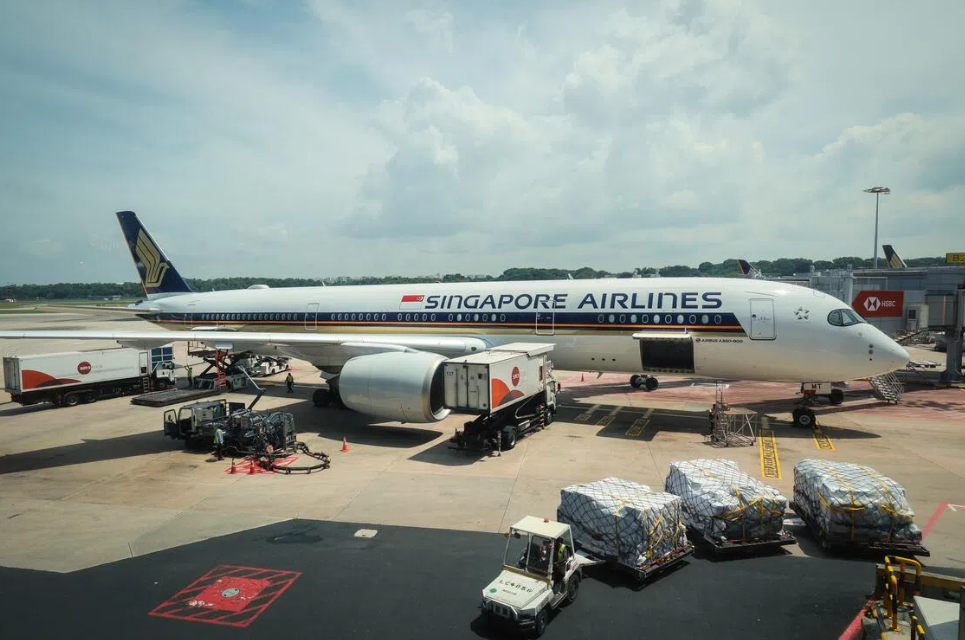
Singapore Airlines faced an operational disruption when one of its longest-distance services abruptly returned to Changi Airport in the early morning hours of August 13. Flight SQ22, which had departed for Newark just hours earlier on the evening of August 12, was compelled to reverse course and land back in Singapore due to an undisclosed technical malfunction. The incident highlights the logistical challenges airlines face when managing ultra-long-range operations across vast distances.
The Airbus A350-900 aircraft in question is among the world's most advanced commercial jets, designed specifically for extended-haul routes that demand superior fuel efficiency and passenger comfort. SQ22 represents one of Singapore Airlines' flagship services, with a scheduled flight duration exceeding 18 hours and covering approximately 16,700 kilometres to reach Newark International Airport. Despite the aircraft's sophisticated engineering, the carrier's maintenance teams identified a problem serious enough to warrant an immediate return, demonstrating the airline's commitment to safety protocols.
The technical nature of the malfunction remained undisclosed by Singapore Airlines in its official statements, frustrating both passengers and observers seeking transparency. The airline's spokesperson provided no specifics regarding what systems or components required attention, leaving passengers to speculate about the severity and implications of the issue. This lack of detail proved notable given that passenger feedback on social media platforms acknowledged the airline's operational response while simultaneously lamenting the absence of meaningful communication about the underlying problem.
Logistical complexity compounded the situation once the aircraft returned to Changi. All 133 passengers and 17 crew members were required to disembark and be transported via buses to the airport terminal, a process necessitated by the aircraft being towed to a remote maintenance bay for repairs. This arrangement prevented straightforward gate operations and meant passengers had no direct access to their checked baggage until the issue was resolved. The inconvenience extended beyond the simple flight delay, introducing uncertainty and separation from personal belongings that frustrated some travellers.
Singapore Airlines implemented compensatory measures aimed at easing passenger frustration during the extended waiting period. Food vouchers were distributed to all affected travellers as they awaited the deployment of a replacement aircraft. The airline also faced regulatory constraints regarding crew rest requirements, as the original flight crew would have exceeded maximum allowable flight times by the time a new departure could be arranged. This intersection of mechanical issues and crew duty regulations necessitated sourcing not only a replacement aircraft but also a fresh crew to operate the service.
The replacement aircraft departed Singapore at 5.41am on August 13, roughly six hours after the original scheduled departure time. Despite the initial setback, the substitute Airbus A350-900 successfully completed the transatlantic journey, touching down at Newark at 12.15pm local time the same day. This achievement underscores the airline's operational resilience and its capacity to maintain service continuity even when facing significant operational disruptions, though passengers experienced substantial delays to their planned itineraries.
Passenger management extended beyond the initial disruption, with the airline providing rebooking assistance for those with connecting flights at Newark. Such coordination becomes critical on routes with long flight times, as arriving half a day behind schedule can cascade into missed connections and compromised onward travel arrangements. Singapore Airlines' customer service teams worked to mitigate these secondary disruptions through proactive communication and alternative flight arrangements.
Feedback from affected passengers revealed mixed sentiments about the airline's handling of the incident. One traveller posting on Reddit acknowledged that Singapore Airlines managed the situation "incredibly well" operationally, suggesting that from a practical standpoint, the airline's response was efficient and professional. However, the same passenger expressed disappointment at not receiving clear explanations about the technical issue or why baggage retrieval proved impossible during the turnback, highlighting the tension between operational competence and communication transparency.
The SQ22 route exemplifies the ambitious scope of modern aviation, connecting Singapore to the United States through non-stop service that eliminates intermediate stops. These ultra-long-range flights represent significant investments in aircraft acquisition and operational infrastructure, and any disruption carries substantial cost implications for carriers. The incident serves as a reminder that even the most modern and reliable aircraft occasionally require unexpected maintenance interventions, and that seamless global connectivity remains dependent on complex coordination of mechanical reliability, regulatory compliance, and human resources.
For Southeast Asian travellers, the incident carries practical implications regarding airline choice and service reliability. Singapore Airlines' reputation rests partly on its ability to execute ambitious long-distance routes consistently, and this disruption, though ultimately handled professionally, demonstrates the inherent risks of ultra-long-haul aviation. The lack of transparency about the technical issue also raises questions about whether airlines should provide greater detail to passengers when safety-critical systems require attention, balancing operational necessity with passenger expectations for information.
The broader context of recovery and operational adjustments highlights how airlines in the region are adapting to post-pandemic travel demand. Singapore Airlines, like its counterparts across Asia, has intensified efforts to expand international route networks and increase flight frequencies. Such expansion necessarily involves managing technical issues, crew scheduling complexities, and passenger expectations on an unprecedented scale, making incidents like SQ22's turnback valuable case studies in operational management and customer relations.

