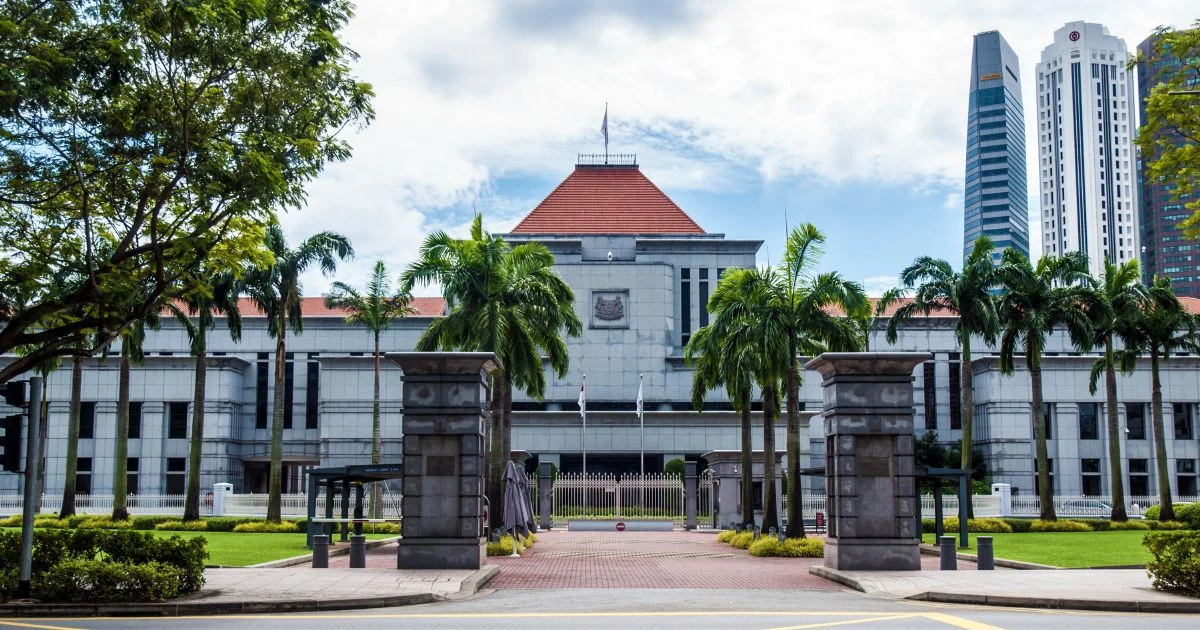
Singapore police have taken a 40-year-old suspect into custody following their investigation into two separate anonymous bomb threats directed at critical government installations. The arrests mark another instance of security challenges facing Singapore's key institutions, with Parliament House and the Home Team Science and Technology Agency office identified as targets in what authorities are treating as serious threats to public safety and national security.
The timing of these threats underscores ongoing concerns about security protocols at high-profile government buildings in Singapore. Parliament House remains one of Asia's busiest legislative centres, hosting the nation's Members of Parliament and regularly conducting parliamentary sessions that involve sensitive national matters. Any threat against the institution carries implications for Singapore's democratic functions and requires swift investigation by law enforcement authorities.
The Home Team Science and Technology Agency functions as a key technological backbone for Singapore's internal security apparatus, overseeing systems and infrastructure that support police and other home affairs agencies. An attack on HTX facilities could potentially compromise Singapore's capacity to respond to emergencies and coordinate security operations, making threats against it particularly concerning for national safety frameworks.
Anonymous bomb threats have become a recurring challenge for security agencies across Southeast Asia in recent years, with perpetrators often exploiting the difficulty of immediate identification. Singapore's police force maintains sophisticated intelligence-gathering and forensic capabilities to trace such communications, whether they originate from phone calls, emails, messages, or other digital platforms. The speed of their investigation in this case reflects the priority given to threats against government premises.
The arrest signals that Singapore's security agencies possess effective methods for identifying individuals responsible for anonymous threats, likely involving coordination between telecommunications providers, digital forensics specialists, and intelligence units. Such operations typically require analysis of communication metadata, device signatures, and cross-referencing with known threat patterns. The fact that police achieved an arrest suggests they gathered sufficient evidence linking the suspect to both threats.
From a regional perspective, this incident reflects broader Southeast Asian concerns about extremism, hoax threats, and security vulnerabilities in government infrastructure. Neighbouring countries including Malaysia have similarly experienced bomb threats against official buildings and public spaces, prompting region-wide discussions about information-sharing protocols and coordinated security responses. Singapore's swift action demonstrates the island state's capability to contain such threats quickly, though the persistence of hoax threats across the region suggests demand for enhanced preventive strategies.
The investigation's outcome will likely shape future security postures at Singapore's government buildings. Authorities may review threat assessment procedures, communication security protocols, and intelligence-gathering mechanisms to identify whether systematic vulnerabilities allowed an individual to successfully target two high-profile locations. Enhanced vetting of communications, improved filtering systems, and faster escalation procedures could emerge from lessons learnt during this investigation.
For Singaporeans and regional observers, this case reinforces the importance of reporting suspicious communications or unusual activities to authorities. Hoax threats impose significant costs on security agencies, diverting resources from genuine threats and disrupting normal government operations. Public cooperation in identifying suspicious behaviour remains essential for maintaining a secure environment.
The arrest also highlights the distinction between serious, credible threats and hoax communications designed to cause panic or test security responses. Singapore's police force must balance taking all threats seriously with distinguishing between genuine dangers and false alarms. The investigation's progression from anonymous threat to arrest demonstrates their capability to make this distinction and pursue perpetrators appropriately.
Moving forward, this case may prompt broader conversations about digital security, anonymous communication channels, and their regulation. Singapore's authorities have consistently advocated for responsible use of digital platforms while maintaining strong enforcement against abuse. This incident exemplifies the challenge of managing open communication systems while preventing their weaponisation for threats against national institutions.
For Malaysia and other regional states, Singapore's response offers a case study in threat investigation and law enforcement coordination. The arrest underscores that determined perpetrators of anonymous threats face identification and prosecution even when employing sophisticated anonymisation methods. This message carries particular importance in a region where hoax threats periodically affect airports, schools, and government buildings, sometimes paralyzing essential services.
The broader security implications extend beyond the immediate threat. Singapore, as a major financial and trading hub hosting international businesses and diplomatic missions, maintains stringent security standards partly to reassure global stakeholders that the country can manage risks effectively. Rapid police response to threats against government buildings reinforces Singapore's reputation as a secure jurisdiction where law enforcement maintains effective operational capability.

