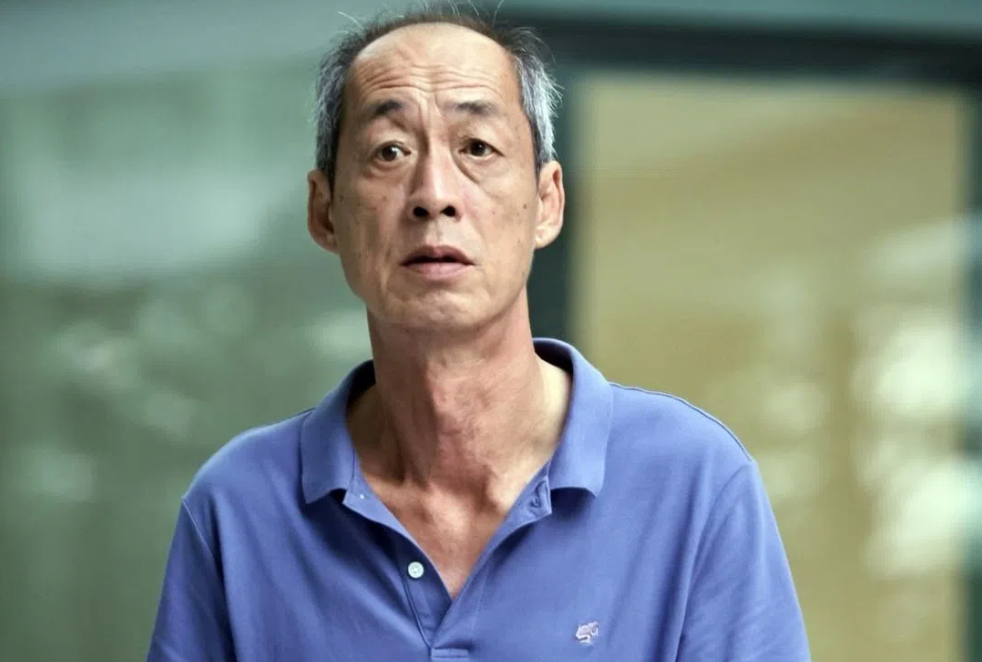
A Singapore court has sentenced a 61-year-old bus driver to eight weeks' imprisonment after he inadvertently caused the death of an elderly passenger through a momentary lapse in safety protocol. Ang Oon Leng pleaded guilty to causing the death of Lee Bee Lwee, aged 72, by performing a negligent act on March 5, 2025. The incident occurred at a taxi stand outside Hillion Mall on Petir Road, where the private bus had stopped to allow passengers, including Lee, to disembark. The tragic outcome has reignited concerns about passenger safety procedures on public and private transport services across Singapore and the wider region.
The circumstances leading to Lee's death paint a stark picture of how quickly routine operations can turn catastrophic. Ang, who had been employed by a cleaning services company in 2024 to transport its staff to and off-site locations, failed to follow basic safety checks before moving the vehicle. Without visually inspecting the rear passenger door area or confirming that all passengers had safely alighted, he began driving and simultaneously navigated a curved section of road, leaving the rear door open throughout. Deputy Public Prosecutor Thaddeus Tan outlined during proceedings how this combination of oversights created a dangerous situation that proved fatal for the elderly woman.
As the bus began moving, Lee, who was in the process of stepping down from the vehicle, lost her footing due to the forward momentum. She struck her head with sufficient force to produce an audible impact that eventually alerted Ang to the severity of what had occurred. The driver immediately halted the bus and exited to assess the situation, finding Lee on the ground and promptly notifying authorities. Emergency responders transported her to the National University Hospital, where medical professionals worked to treat her head injury. However, she succumbed to her injuries at approximately 4pm that same day, leaving her family and community bereft of what court documents described as a cherished member of her social circle.
Lee's life outside of this final tragedy was characterised by modest contentment and active community engagement. The prosecutor's statement during sentencing noted that she was widely regarded as a happy and healthy individual who enjoyed simple pleasures including television viewing, listening to music, and participating in grassroots events organised by her residential community centre. These details served to humanise the victim for the court and underscored the profound loss her sudden death represented not only for her dependants but for her neighbourhood. The finality of her passing was emphasised by the prosecutor's assertion that no sentence could undo the irreversible tragedy that had unfolded.
Beyond the custodial sentence, the court imposed additional penalties intended to reflect the gravity of the offence and provide some measure of restitution to the bereaved family. Ang has been permanently disqualified from holding or obtaining any class of driving licence for five years following his release from custody. This restriction represents a significant professional consequence, effectively barring him from employment that requires vehicle operation during that period. The court also ordered him to pay approximately SGD 2,200 in compensation to Lee's dependant, with the stipulation that failure to settle this amount would result in an additional week of imprisonment. These measures combine to create a substantial personal and financial burden as part of his punishment.
The prosecution had recommended a sentence of up to 12 weeks' jail, arguing for the upper range of permissible punishment given the fatal outcome of Ang's negligence. Singapore's legal framework provides that an individual convicted of causing death through a negligent act faces a maximum penalty of two years' imprisonment, a fine, or both. The eventual sentence of eight weeks represented a moderation from the prosecutor's recommendation, potentially reflecting mitigating factors such as Ang's immediate cooperation with authorities following the incident and his guilty plea, which spared the court the burden of conducting a full trial and avoided prolonging the family's suffering through extended legal proceedings.
The case acquired particular resonance given the timing and context of passenger transportation in Singapore. Ang was arrested on March 12, 2025, exactly one week after the incident, and was subsequently charged and brought before the court. The lag between the incident and formal sentencing highlights the investigative and judicial processes that precede resolution of such serious matters. For regional observers, the case underscores the importance of rigorous safety protocols on all forms of passenger transport, whether operated by large public agencies or private contractors serving corporate clients.
Transport operators across Singapore and Southeast Asia have long grappled with balancing operational efficiency against passenger safety requirements. The incident at Hillion Mall illustrates how even brief moments of inattention—in this instance, the failure to verify passenger clearance before vehicle movement—can have irreversible consequences. Private bus operators transporting workers, particularly those serving industries such as cleaning services where labour forces may include elderly employees, bear special responsibility for implementing comprehensive safety procedures that extend beyond minimum legal requirements.
The case also raises broader questions about duty of care and professional accountability in transport services. Ang's employer had hired him to transport cleaning staff, a responsibility that carries inherent obligations to ensure workers reach their destinations and return home safely. The incident suggests potential gaps in training, supervision, or operational guidelines that might have prevented the tragedy. While the court focused its attention on Ang's individual culpability, the broader ecosystem of private transport provision remains worthy of scrutiny regarding whether current standards and oversight mechanisms adequately protect vulnerable populations who depend on such services for their livelihoods.
For Lee's family and the residents of her community, the legal resolution provides a measure of closure while serving as a permanent reminder of the irreplaceable loss they have sustained. The compensation order and sentencing will not restore the woman they have lost, but they represent the state's recognition of wrongdoing and its commitment to accountability. In the regional context, where rapid economic growth has expanded private transport and service delivery models, this case stands as a cautionary reference point for both operators and regulators regarding the paramount importance of passenger safety.

