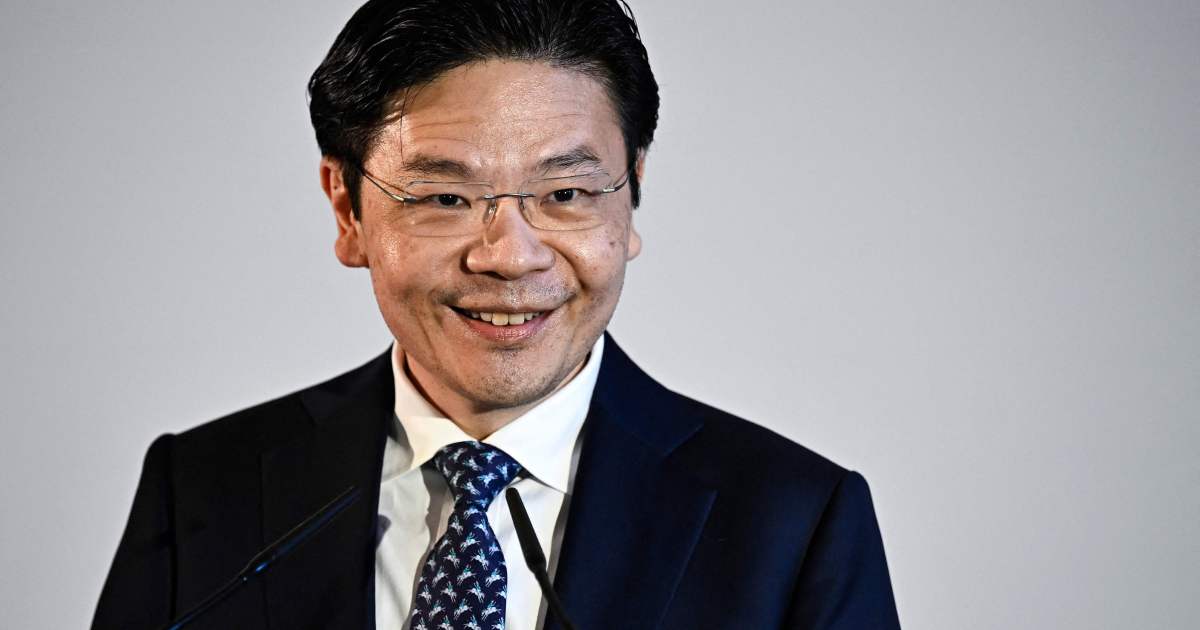
Singapore Prime Minister Lawrence Wong outlined significant changes to his cabinet on Wednesday, restructuring several ministerial positions and announcing fresh appointments to key government roles. The moves represent a deliberate calibration of leadership responsibilities as the administration addresses recent resignations and charts its strategic direction across various policy domains.
The reshuffle reflects the typical governance cycle that Singapore undergoes as senior leaders move through their tenures or transition to different roles. Such restructuring serves multiple purposes in the island nation's political system: it allows the Prime Minister to align ministerial portfolios with emerging policy priorities, creates advancement opportunities for rising political talent, and signals confidence in the government's capacity to manage complex governance challenges. The timing of Wong's announcement follows departures that had prompted broader reflection on succession planning within Singapore's leadership ranks.
Under Wong's premiership, which commenced following Lee Hsien Loong's retirement, the government has sought to project stability while introducing fresh perspectives on longstanding issues. The cabinet adjustments announced on Wednesday are consistent with this balancing act, combining the retention of experienced administrators with opportunities for newer ministers to assume greater responsibility. Singapore's political system, dominated for decades by the People's Action Party, traditionally emphasizes continuity in governance even as individual personalities shift through the hierarchy.
The specific appointments and portfolio reassignments carry particular significance for Singapore's regional position and domestic priorities. The city-state faces pressures common to affluent developed economies—managing an ageing population, sustaining economic competitiveness amid global uncertainties, and addressing evolving social expectations around governance and inclusion. How ministerial responsibilities are distributed reflects government thinking on which challenges warrant the most senior attention and institutional focus in the coming years.
For Malaysia and other Southeast Asian neighbors, Singapore's internal political developments warrant attention, particularly regarding how policy commitments on regional integration, trade, and security cooperation may evolve. Singapore punches far above its weight in regional affairs, and shifts in its cabinet composition sometimes herald adjustments in diplomatic and economic priorities. The city-state's role as a crucial trade hub and financial center means that its governance transitions can have ripple effects across the region.
The resignations that preceded this reshuffle had prompted media and political observers across Southeast Asia to scrutinize Singapore's succession mechanisms more closely. Unlike elections in other democracies that provide public platforms for debating policy directions, Singapore's internal leadership processes tend to operate with less transparency. Consequently, cabinet reshuffles sometimes serve as the primary window into evolving government priorities and the relative influence of different factions within the ruling party's leadership structure.
Wong's approach to the reshuffle appears calibrated to maintain the technocratic reputation that Singapore's government has carefully cultivated. Rather than dramatic reinvention, the changes appear designed to optimize existing administrative machinery while creating space for capable officials to progress through the ranks. This gradualism reflects Singapore's broader philosophical preference for evolutionary rather than revolutionary change in governance.
The appointments also carry implications for Singapore's engagement with ASEAN and bilateral relationships with fellow member states. Several ministerial portfolios directly influence Singapore's standing in regional forums, its negotiating positions on trade and investment matters, and its diplomatic strategies. Changes in who occupies these positions can subtly shift how Singapore approaches regional consensus-building and positions itself within broader Southeast Asian dynamics.
Domestically, the reshuffle signals priorities that the Wong administration intends to emphasize. By elevating certain officials and reorganizing portfolio responsibilities, the Prime Minister communicates where his government believes sustained policy innovation is most necessary. For observers monitoring Singapore's governance trajectory, the cabinet composition provides crucial clues about whether the administration plans incremental adjustments or more substantial policy reorientation in areas ranging from economic policy to social services to security matters.
Singapore's cabinet system, modeled on Westminster traditions but adapted to the city-state's unique context, concentrates significant power in the hands of the Prime Minister and a small group of senior ministers. The reshuffle thus represents Wong's prerogative to structure governance according to his vision, constrained primarily by the need to maintain party cohesion and public confidence. How he exercises this discretion reveals much about his leadership philosophy and the kind of administration he intends to build.
For Malaysian readers and other regional audiences, Singapore's political evolution matters because the island-state remains a critical partner and sometimes competitor in regional affairs. Changes in its leadership structure, even those that appear incremental, can eventually translate into shifts in how Singapore approaches neighboring countries, manages shared regional challenges, and positions itself within broader geopolitical currents affecting Southeast Asia. The cabinet reshuffle thus deserves attention not merely as an internal administrative matter but as a potential indicator of Singapore's future trajectory.

