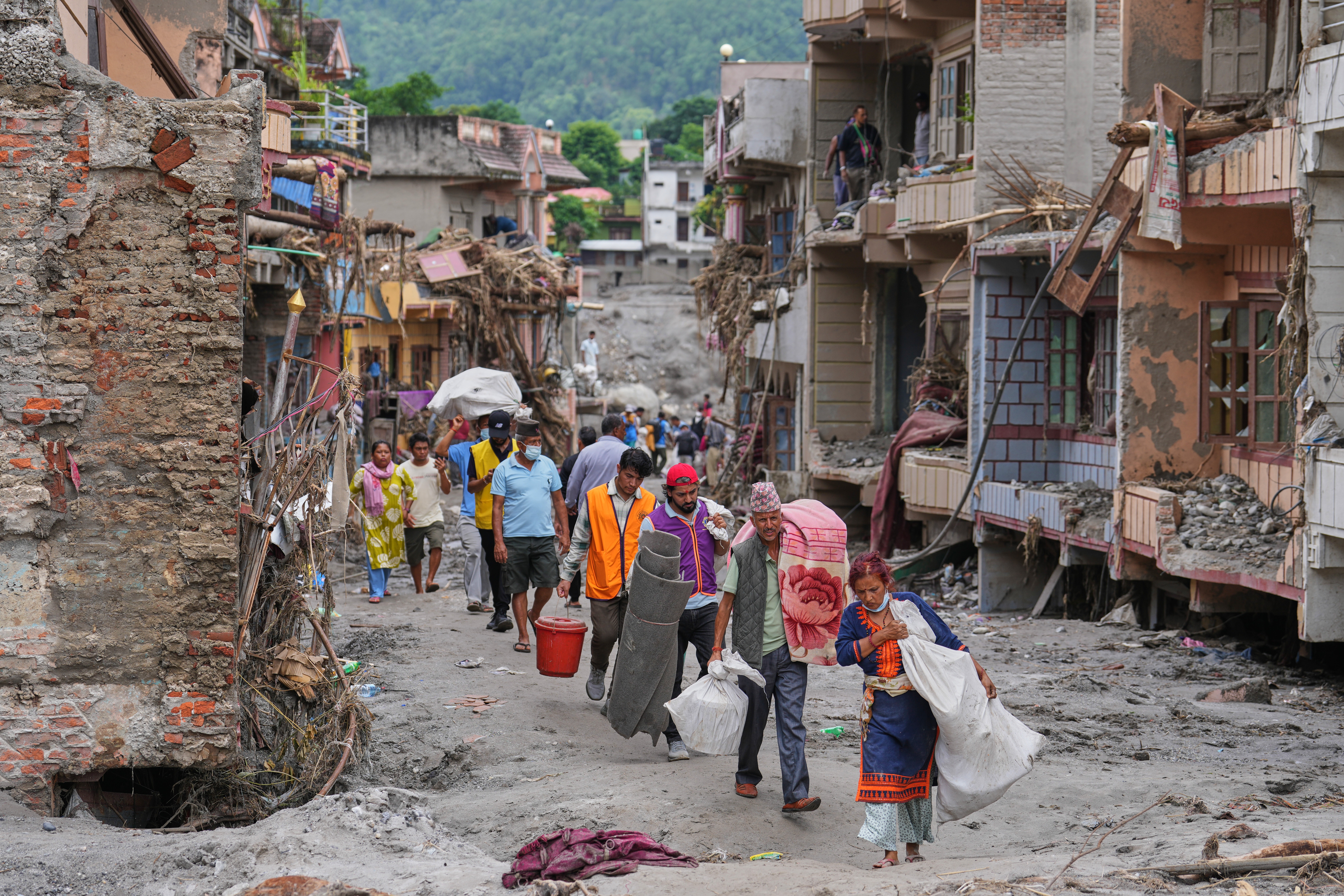
Singapore has committed specialized personnel and substantial humanitarian resources to support Nepal's response to devastating flash floods and mudslides that struck the Nepal-China border region, triggering what has become a major regional humanitarian emergency. The city-state's Foreign Ministry announced the deployment through diplomatic channels, signalling the beginning of a coordinated relief operation that reflects Singapore's established role as a reliable responder to crises across the Asian region.
The relief initiative centres on the deployment of Singapore Police Force officers trained specifically in Disaster Victim Identification, a specialized field essential for managing the massive scale of casualties and missing persons in the affected areas. The DVI personnel will work at the direct request of Nepal's government, indicating a carefully coordinated bilateral arrangement rather than an unsolicited intervention. Alongside these forensic specialists, Singapore has committed to delivering both civilian and military supplies through the Singapore Armed Forces, positioning the country to address multiple dimensions of the humanitarian crisis simultaneously.
Foreign Minister Dr Vivian Balakrishnan conveyed Singapore's assistance commitment during a telephone conversation with Nepal's Foreign Minister Shisir Khanal on Monday, establishing the diplomatic foundation for the deployment. This high-level communication reflects the gravity with which Singapore's government views the crisis and underscores the importance of immediate coordination between the two nations. The conversation occurred as regional authorities were still quantifying the full extent of the disaster's human toll.
Beyond the personnel deployment, Singapore's financial contributions through its Red Cross chapter have already begun mobilising domestic giving. The government contributed US$100,000 to the Singapore Red Cross' public fundraising appeal for Nepal relief on Friday, adding official resources to money raised from the general public. By the time of the announcement, the Singapore Red Cross had accumulated approximately S$1 million in donations, demonstrating how government seed funding can catalyse broader community participation in disaster response.
The scale of the catastrophe requiring this international response remains staggering. According to authorities cited by Anadolu Ajansi on Monday, six days after the initial disaster, confirmed deaths had reached at least 919 people, with an additional 4,800 individuals unaccounted for. Among the missing are 853 foreign nationals, indicating the floods affected a diverse international population including tourists and workers in the Nepal-China border region. The combination of flash flooding and mudslides created compounding hazards that overwhelmed local response capacity.
Singapore's response capacity has been systematically built through previous regional disasters and is now operationalized in Nepal through established protocols. The country's Crisis Response Team deployed to Nepal on August 27, providing consular assistance to Singaporean nationals affected by the floods. This forward positioning allows the team to coordinate relief activities while also identifying and supporting Singaporean citizens requiring evacuation or emergency assistance. The team's presence on the ground facilitates smoother coordination between Singapore's specialized units and Nepalese authorities.
The Nepalese government's specific request for DVI specialists reveals a critical gap in local capacity that Singapore is positioned to fill. Disaster Victim Identification requires forensic expertise, comprehensive documentation systems, and international standards compliance—capabilities that are concentrated in wealthier nations but desperately needed across the Global South during major disasters. Singapore's willingness to deploy these teams reflects both institutional capability and a recognition of its humanitarian obligations to neighbouring countries.
For Malaysia and other Southeast Asian nations, Singapore's response demonstrates the interconnected nature of regional disaster management and the expectations now established for developed economies in the area. As a prosperous, well-organized city-state with advanced emergency services, Singapore has positioned itself as a reliable first responder to major crises throughout Southeast and South Asia. This carries implicit expectations that other capable nations, including Malaysia, will similarly contribute expertise and resources when neighbouring countries face emergencies.
The Nepal floods also highlight the vulnerability of border regions to compound natural disasters, where geographic isolation can delay relief efforts and complicate coordination between national authorities. The Nepal-China border location meant the affected areas faced challenging terrain for rescue operations and potential complications from international boundaries. Singapore's deployment of specialized teams addresses these logistical challenges through the provision of trained personnel experienced in operating in difficult circumstances.
Singapore has committed to sustained engagement with Nepal's government on the relief effort, indicating this represents an ongoing process rather than a single assistance package. The Foreign Ministry's statement emphasizing continued cooperation suggests Singapore anticipates a lengthy involvement in Nepal's recovery, potentially extending beyond immediate emergency response to include reconstruction planning and coordination with other international donors. This approach reflects lessons learned from previous major Asian disasters where protracted engagement produces better long-term outcomes.

