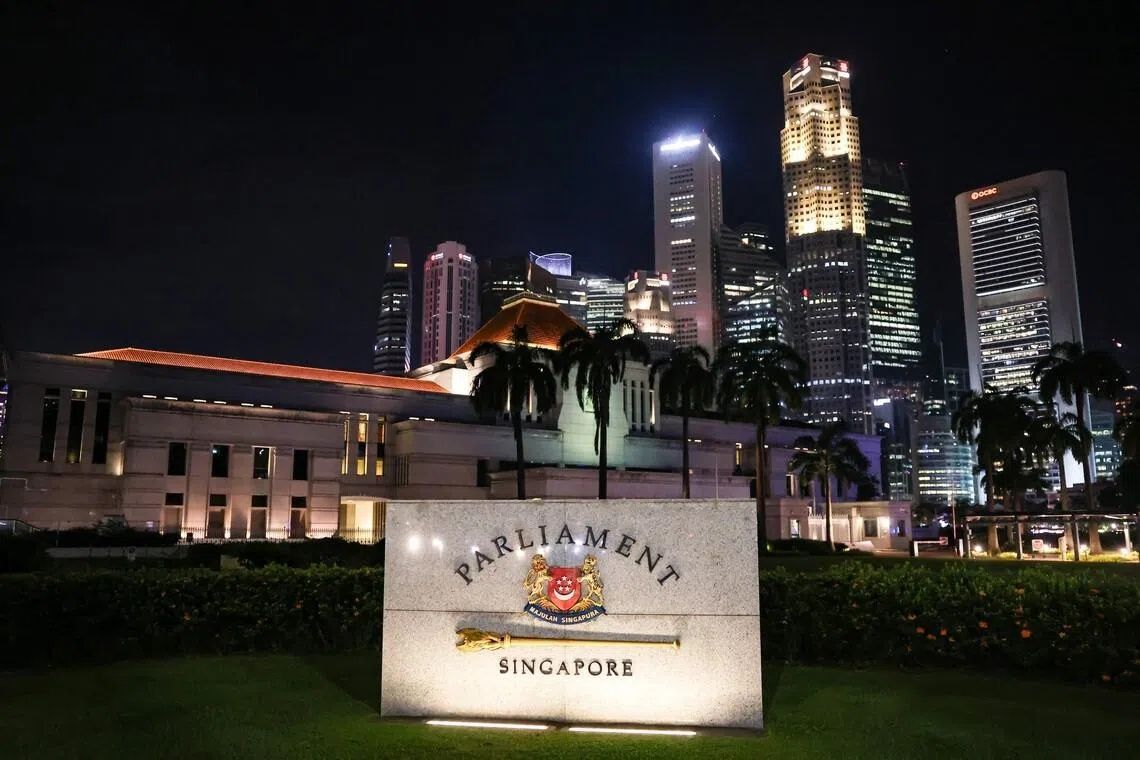
A 40-year-old resident of Singapore has been arrested and is now facing prosecution for fabricating bomb threats directed at two significant government facilities, including the nation's Parliament House, within a span of just four days in early July. The man was apprehended on July 7, the same day the second hoax alert emerged, and prosecutors plan to formally present charges against him this week as the police move to address what they characterise as a serious breach of public security protocols.
The chain of events began when the Home Team Science and Technology Agency, which operates from the One North complex, received a suspicious online form submission on July 3 claiming that an explosive device had been concealed within the building. Four days later, on July 7, Singapore's law enforcement agencies received a separate report about an anonymous email that had been sent to the Prime Minister's Office asserting that a bomb had been placed inside Parliament House. The rapid succession of these threats, combined with their targeting of high-level government infrastructure, triggered immediate security responses from multiple agencies.
Following established protocols for such incidents, police personnel conducted exhaustive searches of both facilities in question. Officers systematically swept through the buildings themselves and thoroughly examined surrounding areas and perimeters, searching for any suspicious objects or devices that might substantiate the threat claims. The comprehensive nature of these searches reflects the standard vigilance expected when government buildings of such prominence are targeted, regardless of whether the threats are ultimately determined to be credible. After completing their detailed inspections, investigators found no items that posed any genuine security concern at either location.
Detectives from the Criminal Investigation Department worked in tandem with officers from the Central Police Division to trace the origin of both threats. Through their investigative work, authorities established that despite the separate submission methods—one through an online form and the other through email—both threats had originated from the same individual. This connection proved crucial in narrowing the investigation and identifying the suspect. The man was detained while this analytical work was underway, enabling law enforcement to prevent any further false alerts during the initial investigation phase.
When officers took the suspect into custody, they recovered several electronic devices from his possession that forensic specialists believe were instrumental in carrying out the threats. These devices are expected to play a central role in the prosecution's case, providing technical evidence linking the accused directly to both communications. The seizure of such equipment is standard in cases involving online hoaxes or cyber-related offences, as digital forensics can often establish definitively whether particular devices were used in suspected crimes.
The formal charge that prosecutors will level against the man relates to communicating false information about a harmful thing—a statute designed specifically to address hoax threats and false alarm scenarios. This particular offence is treated seriously within Singapore's legal framework, recognising the genuine societal costs that such false reports generate. The potential penalty reflects this gravity: conviction could result in imprisonment for as long as seven years, a financial penalty reaching S$50,000, or a combination of both sentences.
The incident highlights broader concerns about the misuse of communication channels to create public panic and disruption. Singapore's police force issued an explicit warning in their statement, emphasising that fabricated bomb threats exact a measurable toll on society in multiple ways. Such hoaxes inevitably trigger emergency response procedures that tie up police, security personnel, and government resources that might otherwise be deployed for genuine emergencies or routine protective duties. Beyond the resource implications, false threats contribute to a climate of unnecessary anxiety among the public, undermining confidence in the safety of government institutions and public spaces.
For regional observers and security experts, the case serves as a reminder of the ongoing vulnerability of even well-fortified government facilities to reputational and operational disruption through digital communication channels. While Singapore maintains some of the region's most advanced security infrastructure and protocols, the ability of a single individual with internet access to trigger multi-agency responses across Parliament House and government technical agencies demonstrates the inherent asymmetry in modern security challenges. The case also underscores how quickly and systematically authorities can now connect disparate digital communications to identify perpetrators.
The timing of the charges and the rapid progression from arrest to prosecution reflects Singapore's efficiency in processing security-related offences. Malaysian readers will note parallels with domestic legislation addressing similar hoaxes, though sentencing frameworks and procedural approaches vary between jurisdictions. The incident also carries implications for broader conversations across Southeast Asia about balancing digital communication freedoms with security imperatives, particularly as online platforms become primary vectors for both legitimate and illegitimate information distribution.

