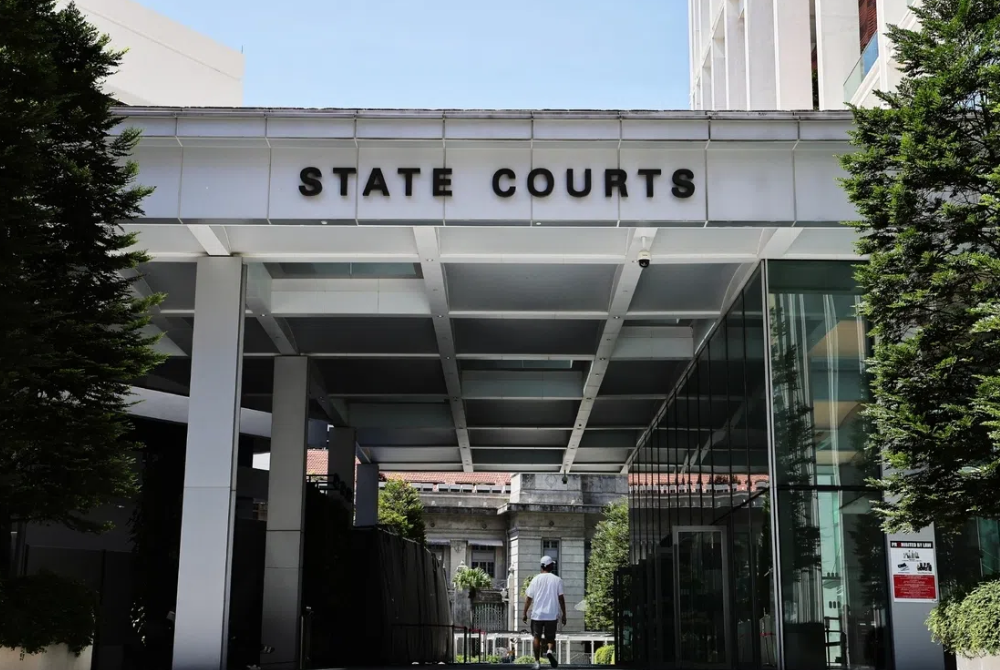
A Singaporean man has been handed a prison sentence of nine years and 10 months, along with eight strokes of the cane, for systematically abusing primary school children under his supervision at a private educational facility. The case, heard in Singapore's District Court on August 21, revealed the extent of physical and psychological cruelty inflicted on vulnerable young pupils who had been placed in his care.
The offender, a 31-year-old whose identity is protected by court order, perpetrated a series of brutal acts against children ranging from six to eleven years old during 2023. Beyond the devastating physical injuries sustained by the victims, the case exposed troubling gaps in oversight and qualification requirements at the private facility where he worked. The man had been employed as a manager since 2016 despite lacking any formal teaching or childcare qualifications, a fact that raises serious questions about institutional accountability and child safeguarding protocols in Singapore's private education sector.
The case's most harrowing details centre on a six-year-old boy from China who endured relentless mistreatment. According to prosecutors' accounts, the child was forced to maintain a push-up position for extended periods—on one occasion for more than 18 hours—while being struck repeatedly with a clothes hanger, stomped on his back and buttocks, and subjected to degrading acts including being forced to drink his own urine. The severity of the physical trauma resulted in rib fractures, kidney failure, and a need for nine days of dialysis treatment. District Judge John Ng noted during sentencing that the boy had been struck at least 600 times and stomped on at least 40 times.
The systematic nature of the abuse underscores a calculated pattern of control and domination. On March 9, 2023, the offender made the six-year-old assume a push-up position during an English study session. As the child's muscles fatigued and hunger set in, he was forced to hold the position while other students ate their dinner. The abuse continued into the early morning hours of March 10, with the man placing a chair on the child's back and sitting on it to increase the downward pressure. When the boy required toilet access, the offender compounded the humiliation by forcing him to urinate into a basin and subsequently drink the contents.
What makes this case particularly disturbing is the deliberate concealment and manipulation involved. The offender called the boy's father on the morning of March 10 to request permission to discipline his son, but made no mention of the physical punishment already inflicted or the violent acts planned for that day. The father, unaware of the true scope of the abuse, granted permission. The day proceeded with continued beatings using the clothes hanger with such force that the implement broke, yet the offender persisted in striking the child with the fractured tool. Only when the boy became too weakened to stand did the perpetrator cease, carrying him to a toilet where he attempted to revive the child by spraying water on him.
For three days following the worst of the abuse, the offender deliberately prevented the boy from receiving medical attention, fearing that hospital staff would alert police to the injuries. This deliberate withholding of care transformed physical abuse into a life-threatening crisis, with prosecutors arguing that the child suffered critical injuries that could have proved fatal without eventual intervention. The extended deprivation of food—limited to only bread and water—combined with physical trauma and sleep deprivation administered through forced toilet sleeping arrangements created conditions of severe neglect alongside assault.
District Judge John Ng acknowledged during sentencing that the offender had submitted mitigation pleas relating to his own traumatic childhood. The defence highlighted that the man's father was an alcoholic and his older brother was a gang member who had physically abused him when he was young. However, the judge firmly rejected these circumstances as justification, noting that having personally experienced abuse as a vulnerable child, the offender should have been uniquely positioned to refrain from inflicting similar harm on young people entrusted to his care. "Being a young boy who had suffered at the hands of abusers, the offender should have been in a better position not to repeat such treatment to vulnerable victims who had trusted him to care for them and protect them," the judge stated.
The offender pleaded guilty on July 9 to charges of child abuse, voluntarily causing grievous hurt, and providing false or misleading information to Singapore's Ministry of Manpower. The guilty pleas came after the full scope of evidence against him became clear. During sentencing, the man maintained a downward gaze, only occasionally glancing toward family members present in the courtroom. He had sought a week's deferral to attend religious prayers before beginning his sentence, a request that District Judge Ng rejected on the grounds that the severity of the offences precluded such postponement.
The educational facility at the centre of this case was operated by the offender's aunt and provided accommodation for international students and workers alongside management consultancy services. The man's employment history there since 2016 highlights regulatory blind spots in Singapore's private education oversight. Despite assuming responsibility for supervising and teaching primary school pupils—checking their homework and administering discipline—he held no formal qualifications in education or childcare. This absence of basic credential requirements stands in sharp contrast to the responsibilities he was permitted to undertake and the access he was granted to vulnerable children.
The case carries broader implications for Southeast Asian countries grappling with private education sector regulation. Malaysia, with its own significant private school and tuition centre industry, faces similar questions about institutional accountability and worker vetting. The incident demonstrates how the absence of stringent qualification requirements and comprehensive oversight mechanisms can create environments where abuse flourishes unchecked. For Malaysian parents utilising private educational facilities, the Singapore case serves as a cautionary reminder of the importance of verifying staff credentials and maintaining vigilant oversight of their children's wellbeing in care settings.
Legal analysts have noted that the sentence handed down reflects the judiciary's serious view of abuse of trust and institutional authority. The combination of the prison term and corporal punishment signals that courts regard such offences not merely as interpersonal violence but as breaches of the fundamental duty borne by those entrusted with children's safety. The case is expected to prompt reviews of childcare worker qualification standards and oversight protocols across the region, with potential implications for how private educational institutions are regulated in Malaysia and other ASEAN nations seeking to strengthen child protection frameworks.

