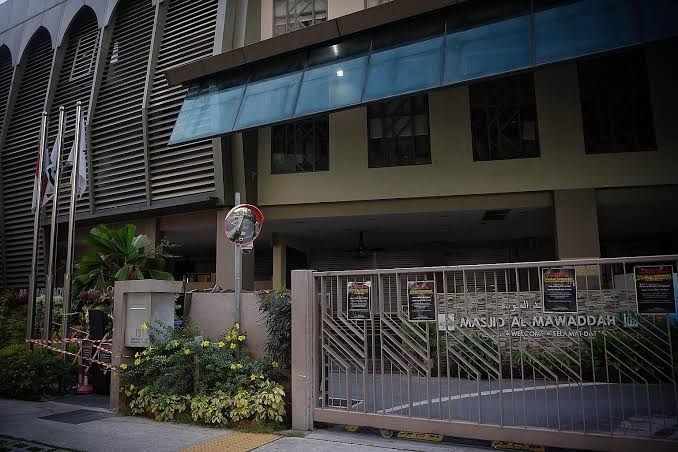
A senior finance executive at Al-Mawaddah Mosque in Compassvale Bow, Sengkang, faces serious criminal charges after allegedly misappropriating more than S$14,000 from the mosque's donation boxes across multiple occasions. Mohamed Muhaimin Mohamed Sulaiman, 42, was formally charged on August 12 with a single count of criminal breach of trust, marking a significant breach of fiduciary responsibility within the Muslim community's institutional framework in Singapore.
The alleged offences spanned a four-month window from February 6 through May 15, during which police say the accused committed the breach on at least 15 separate instances. This pattern of repeated misappropriation suggests systematic rather than opportunistic wrongdoing, raising questions about internal controls and oversight mechanisms within the mosque's donation collection and fund management procedures. The regularity of the incidents indicates potential vulnerabilities in the accountability structures that safeguard charitable contributions intended for religious and community purposes.
Police received the initial complaint on May 16, roughly a month after the alleged misconduct concluded, suggesting there was a lag between the final incident and when the mosque discovered or reported the discrepancies. This timeline underscores the importance of regular financial audits and reconciliation practices in religious organisations that handle significant cash donations from worshippers and community members. The discovery process itself raises broader questions about how such breaches might be identified more expeditiously in future.
Court proceedings began swiftly following the charges. Muhaimin's bail was set at S$10,000, a substantial sum reflecting the seriousness with which courts regard breaches of trust in positions of financial responsibility. His case is scheduled for mention again on September 16, allowing time for further investigations and preparation of evidence by prosecutors. The bail conditions represent a significant constraint on the accused's movement and activities pending trial.
The potential consequences for conviction are severe. If found guilty, Muhaimin faces up to 15 years imprisonment under Singapore's Penal Code provisions governing criminal breach of trust, a sentence reflecting the gravity with which the legal system treats violations of fiduciary duty. Additionally, he would be subject to a fine, compounding the legal penalties. These substantial consequences underscore the legal system's commitment to protecting charitable and community assets from misappropriation.
The Islamic Religious Council of Singapore has not yet publicly confirmed whether Muhaimin remains employed at the mosque or what administrative steps have been taken since his arrest. This information gap is significant for the mosque's congregation and donors, who have legitimate interests in knowing whether the individual charged continues to have access to financial operations or whether temporary safeguards have been implemented. The council's eventual response will likely set precedents for how similar breaches are handled institutionally.
This incident occurs within a broader regional context of heightened scrutiny over charitable fund management across Southeast Asia. Religious organisations, including mosques, churches, temples, and other faith communities, have increasingly faced pressure to demonstrate robust governance and transparent financial practices. For Malaysia's diverse faith communities and regulators overseeing Islamic institutions, the Singapore case provides instructive lessons about the importance of segregating duties, implementing multiple approval requirements for withdrawals, and conducting surprise audits of donation facilities.
The use of donation boxes—physical collection vessels placed throughout mosques—creates inherent vulnerabilities that institutions across the region must address. Without electronic tracking, video surveillance, or multiple authorisation layers, the integrity of collections depends heavily on individual honesty. Many Southeast Asian mosques are modernising their approaches by transitioning to digital payment systems that create digital trails, installing security cameras in collection areas, and requiring dual-approval processes for withdrawals. These measures, while potentially inconvenient, provide crucial protection for community trust.
For donors in Singapore and across the region, incidents like this underscore the importance of understanding where charitable contributions are directed and what safeguards exist. While the vast majority of mosque staff and volunteers maintain rigorous ethical standards, the case demonstrates that institutional safeguards remain essential. Worshippers and donors deserve confidence that their contributions genuinely support mosque operations, community welfare programmes, and religious education rather than private gain.
The broader implications extend to governance conversations within Malaysia's religious institutional framework. As the country grapples with questions about institutional accountability and transparency across government and non-government sectors, faith-based organisations have opportunities to lead by example. Enhanced reporting requirements, independent audits, and public transparency about fund allocation can strengthen public confidence in religious institutions while demonstrating that rigorous governance aligns with rather than contradicts faith principles.
The case will likely conclude over the coming months as court proceedings advance and evidence is presented. The outcome will signal important messages about accountability expectations for those entrusted with community resources. Beyond the immediate legal determination, the broader institutional response from Singapore's Islamic community, regulatory authorities, and other faith organisations across the region will shape how such incidents are prevented and managed in future.

