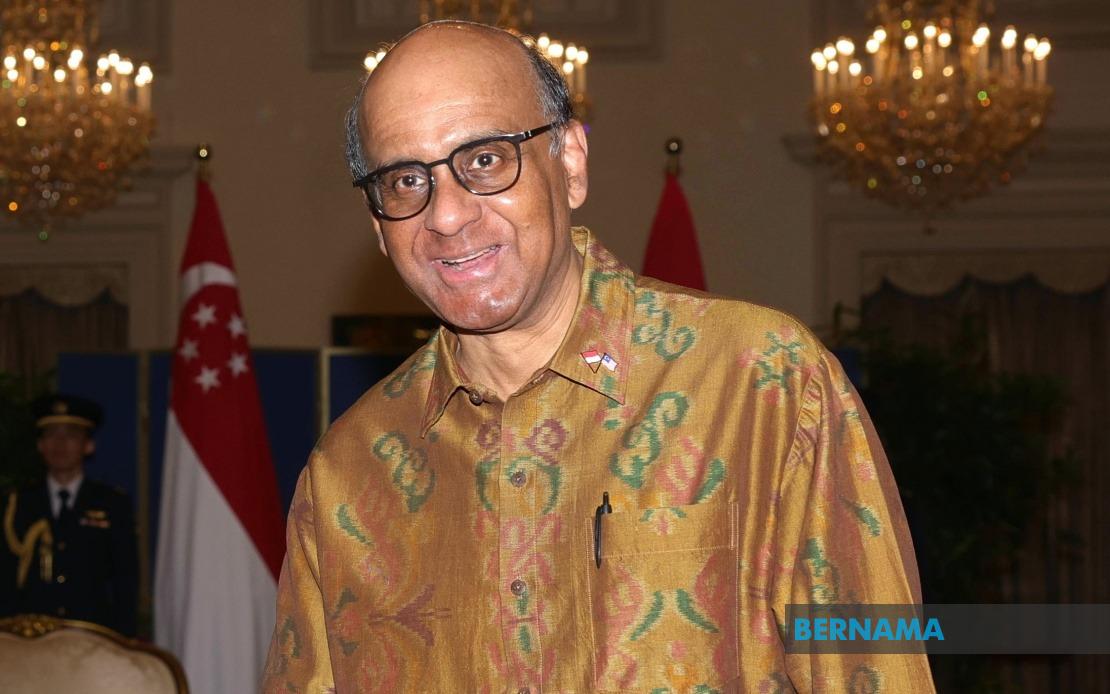
Singapore President Tharman Shanmugaratnam is set to arrive in Malaysia on July 13 for a carefully choreographed three-day state visit that underscores the strategic importance both nations place on their bilateral relationship. Hosted at the invitation of His Majesty Sultan Ibrahim, King of Malaysia, the visit represents a formal reciprocation of the monarch's own trip to Singapore just over two months earlier in May 2024, establishing a pattern of high-level engagement that reflects the maturity and significance of ties between the two neighbouring city-state and kingdom.
This inaugural state visit by Tharman since his assumption as Singapore's ninth president in September 2023 carries particular symbolic weight. As the first visit by the Lion City's head of state under his presidency, it signals continuity in bilateral relations whilst showcasing the personal commitment of Singapore's leadership to nurturing partnerships with its most crucial neighbours. The presence of his spouse, Jane Ittogi Shanmugaratnam, alongside several cabinet ministers and high-ranking officials demonstrates the comprehensive nature of the engagement, extending beyond ceremonial protocols to encompass substantive discussions across multiple policy domains.
The itinerary scheduled for President Tharman encompasses the full pageantry of state visits. Upon arrival, he will participate in a State Welcoming Ceremony marking his official reception before proceeding to Istana Negara for a formal audience with His Majesty. The diplomatic calendar includes a State Banquet in his honour, providing an elaborate setting for the two nations' leaders to engage in substantive conversation regarding bilateral matters. Additionally, Prime Minister Datuk Seri Anwar Ibrahim has scheduled a courtesy call with the President, ensuring that Malaysia's elected executive leadership directly participates in reaffirming the partnership.
When viewed through an economic lens, this diplomatic interaction acquires additional significance given the extraordinary commercial interdependence binding Malaysia and Singapore. Singapore stands as Malaysia's second-largest trading partner globally, whilst Malaysia itself constitutes Singapore's preeminent trading partner among all ten ASEAN member nations. This positioning reflects decades of integrated supply chains, financial linkages, and cross-border investment that have woven the two economies into an intricate tapestry of mutual prosperity.
The bilateral trade figures underscore this economic entanglement. During 2025, the two countries exchanged goods and services valued at RM402.35 billion, equivalent to approximately US$93.97 billion, marking a modest 1.5 per cent expansion from 2024. More striking, however, are the performance metrics from the first five months of 2026. During this period, bilateral trade surged to RM189.90 billion, representing US$47.87 billion, which constitutes a robust 14.5 per cent expansion compared to the corresponding January-to-May window of 2025, when the figure stood at RM165.93 billion or US$37.65 billion.
This recent acceleration in trade growth carries implications that extend beyond mere commerce statistics. The double-digit growth rate suggests that post-pandemic recovery dynamics continue gathering momentum, whilst also indicating that both Malaysia and Singapore have successfully navigated recent global economic uncertainties. For Malaysian businesses, the robust performance alongside Singapore reflects the continued resilience of regional supply chains and the enduring attractiveness of the Malaysia-Singapore economic partnership to international investors seeking stability and efficiency in Southeast Asian operations.
The diplomatic architecture surrounding this state visit reflects broader strategic considerations shaping Southeast Asia's geopolitical landscape. Malaysia and Singapore, despite their geographical proximity and historical ties rooted in shared colonial experience, have carefully constructed mechanisms for managing their relationship. State visits by heads of state serve as periodic affirmations of this commitment to cordial relations and institutional cooperation across multiple channels ranging from trade and investment to security and cultural exchange.
For Malaysian observers, the visit also carries relevance in terms of regional leadership and ASEAN dynamics. Singapore, as a highly developed city-state with sophisticated governance institutions and strategic positioning, maintains considerable influence within ASEAN forums. The quality of Malaysia's relationship with Singapore thus impacts Malaysia's standing and effectiveness within the Association's deliberations on critical regional issues. A robust bilateral relationship facilitates coordination on matters of mutual concern and strengthens Malaysia's capacity to advance its interests within the broader regional framework.
The state visit programme demonstrates that both nations view their partnership as requiring continuous renewal and high-level attention. Rather than allowing relations to drift on institutional autopilot, Malaysia and Singapore have established a rhythm of reciprocal visits by their heads of state. This pattern ensures that political relationships remain vibrant and aligned with contemporary priorities, rather than becoming calcified by past arrangements. For Malaysia in particular, maintaining strong institutional bonds with Singapore provides reassurance regarding regional stability and creates frameworks for addressing inevitable differences or tensions that may arise from time to time.
Looking forward, the implications of this visit extend across multiple dimensions of Malaysia-Singapore cooperation. Trade negotiations, investment promotion, infrastructure projects, and people-to-people exchanges all benefit from the political capital generated through high-level state visits. The presence of Malaysian and Singaporean ministers provides opportunities for substantive bilateral engagement on specific sectoral issues, from finance and manufacturing to energy and technology. Furthermore, the formal protocols and ceremonial elements serve essential functions in symbolically reaffirming shared values and commitment to regional peace.
The Foreign Ministry's characterisation of the visit as underscoring the "strong and enduring partnership" reflects an acknowledgement that Malaysia-Singapore relations constitute a cornerstone of regional stability. In an era marked by great power competition, technological disruption, and transnational challenges ranging from climate change to cybersecurity, the robustness of bilateral relations between Malaysia and Singapore sends important signals to the international community regarding ASEAN cohesion and Southeast Asian commitment to peaceful resolution of differences through institutional mechanisms.

