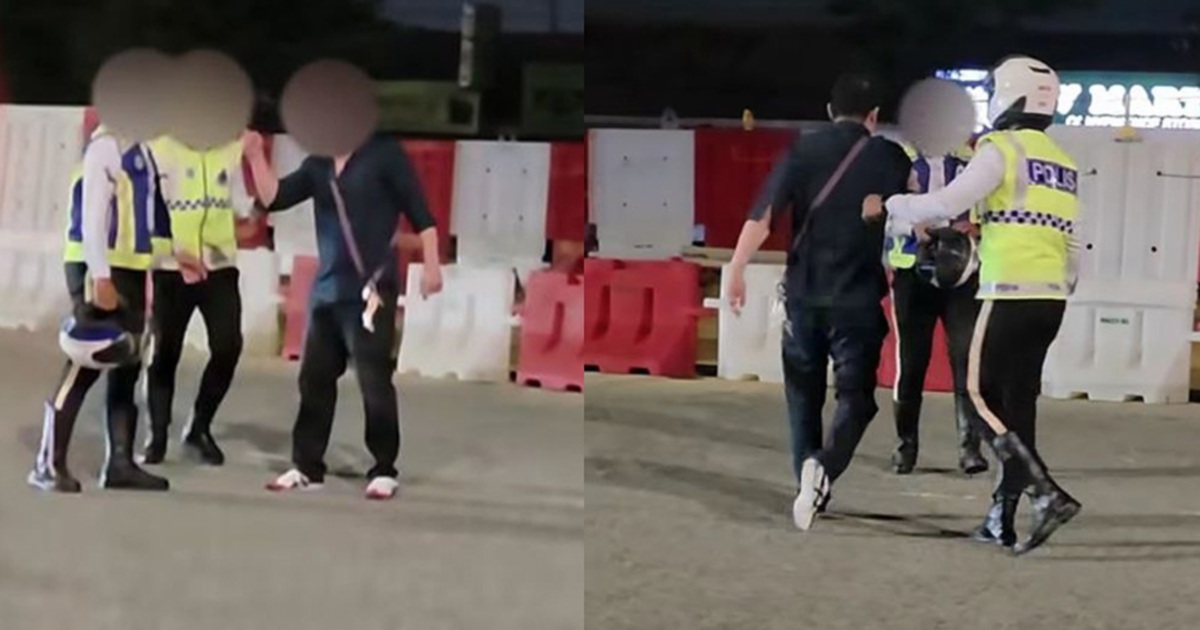
Two individuals implicated in a violent altercation that erupted on the roadside near the Sultan Iskandar Building in Johor Baru are set to face formal court proceedings tomorrow, with the case marking the latest in a series of public order incidents in the state capital. One of the two men facing charges is a Singaporean national, indicating the cross-border complications that can emerge when disputes involve residents from neighbouring countries. The incident, which unfolded near a prominent government landmark in the city centre, has drawn attention to law enforcement's swift response to public disturbances along major thoroughfares in the region.
The roadside brawl transpired during the previous week, with authorities moving relatively quickly to identify and detain the individuals involved. Such incidents are not uncommon in busy commercial and administrative areas of Johor Baru, where high foot traffic and vehicle congestion can occasionally culminate in confrontations between drivers, pedestrians, or other road users. The location adjacent to the Sultan Iskandar Building, a significant administrative structure in the city, suggests the altercation occurred in a well-populated zone where security cameras and witnesses would likely be present, potentially aiding the police investigation.
The involvement of a Singaporean resident adds a diplomatic dimension to the case, as cross-border disputes require careful handling by Malaysian authorities to maintain bilateral relations. Singapore and Malaysia share a complex relationship across multiple sectors including security, commerce, and daily cross-border movement, with thousands of citizens from each country transiting between the two nations regularly. When incidents involve foreign nationals, particularly those from neighbouring jurisdictions, police procedures must be followed with heightened attention to international protocols and consular notification requirements.
The Johor police have not yet released comprehensive details regarding the nature of the dispute, what precipitated the physical confrontation, or whether weapons were involved in the altercation. Such withholding of information is standard practice during active investigations and prior to formal charging, allowing prosecutors to maintain the integrity of proceedings and prevent prejudicial pretrial publicity. Johor Baru, as the state capital and a major urban centre with significant commercial activity, experiences consistent law enforcement operations addressing traffic violations, public order offences, and interpersonal disputes.
Charging proceedings scheduled for tomorrow will mark a formal transition from investigation to prosecution, with the two men likely appearing before a magistrate to face specific charges under Malaysia's penal code. The nature of charges could range from simple affray to more serious assault provisions, depending on the severity of injuries sustained, weapons utilisation, and circumstances surrounding the incident. Magistrates in Johor Baru handle numerous such cases weekly, representing a common dimension of urban law enforcement in the state.
This incident reflects broader patterns of roadside confrontations that periodically emerge in Malaysian urban areas, particularly in high-traffic zones where driver behaviour, pedestrian safety, and public decorum intersect. Johor Baru's strategic location as the gateway to Peninsular Malaysia from Singapore means the city experiences elevated volumes of through-traffic and transient populations, creating environments where tempers can fray more readily. Road rage incidents and disputes over parking, lane discipline, or perceived slights have contributed to several high-profile cases in recent years across Malaysian cities.
Authorities have increasingly emphasised conflict resolution and de-escalation training for both traffic enforcement officers and community peacekeepers to manage such incidents before they deteriorate into physical altercations. Public education campaigns promoting anger management and safe driving behaviour form part of broader initiatives to reduce roadside violence. However, the occurrence of this incident suggests preventive measures continue to face challenges in heavily congested urban environments.
The forthcoming court appearance will determine whether the charges proceed to trial, result in negotiated guilty pleas, or face dismissal if evidence proves insufficient. The presence of the Singaporean national may necessitate engagement with Singapore's authorities for background verification or consular representation, adding procedural complexity to standard Malaysian criminal proceedings. Depending on conviction outcomes, sentencing could include fines, custodial periods, or conditional discharge provisions.
For Malaysian and Singaporean residents who traverse the Johor Baru corridor frequently, such incidents underscore the importance of maintaining composure during traffic disputes and resolving disagreements through legal channels rather than physical confrontation. The case will likely receive attention from transport authorities and community leaders interested in promoting safer interactions along major thoroughfares. As proceedings unfold, observers will monitor whether the outcome encourages similar restraint among road users or indicates broader systemic issues requiring enhanced intervention.

