Singapore's Prime Minister Lawrence Wong has conveyed his formal condolences to Indonesia's President Prabowo Subianto in the aftermath of a catastrophic earthquake that struck off the coast of Flores in eastern Indonesia on Saturday, August 15. The natural disaster has claimed the lives of dozens of residents and caused extensive structural damage across hundreds of residential and commercial buildings throughout the affected region.
The initial seismic event was followed by another significant earthquake measuring 6.1 on the Richter scale, which struck off the northern coast of Sumatra just hours later. While the secondary quake has not yet resulted in confirmed fatalities, it underscores the volatile geological conditions affecting Indonesia's eastern and northern maritime zones and raises concerns about potential aftershock activity in both affected areas.
Through a Facebook message posted on Sunday, August 16, Wong articulated his deep sadness regarding the loss of life and the widespread destruction triggered by the successive earthquakes. His statement represented an official expression of sympathy from the Singapore Government, directed toward the bereaved families and all individuals impacted by the disaster. The prime minister emphasised regional solidarity during what he characterised as an exceptionally challenging period for the Indonesian nation.
The primary tremor, which measured 7.7 on the magnitude scale, proved particularly devastating for Flores island residents. According to Indonesian authorities' assessments released on August 16, the earthquake resulted in more than 50 confirmed deaths, with an additional 135 people sustaining injuries of varying severity. The scale of property destruction encompassed hundreds of residential dwellings and civic infrastructure, rendering entire communities temporarily uninhabitable.
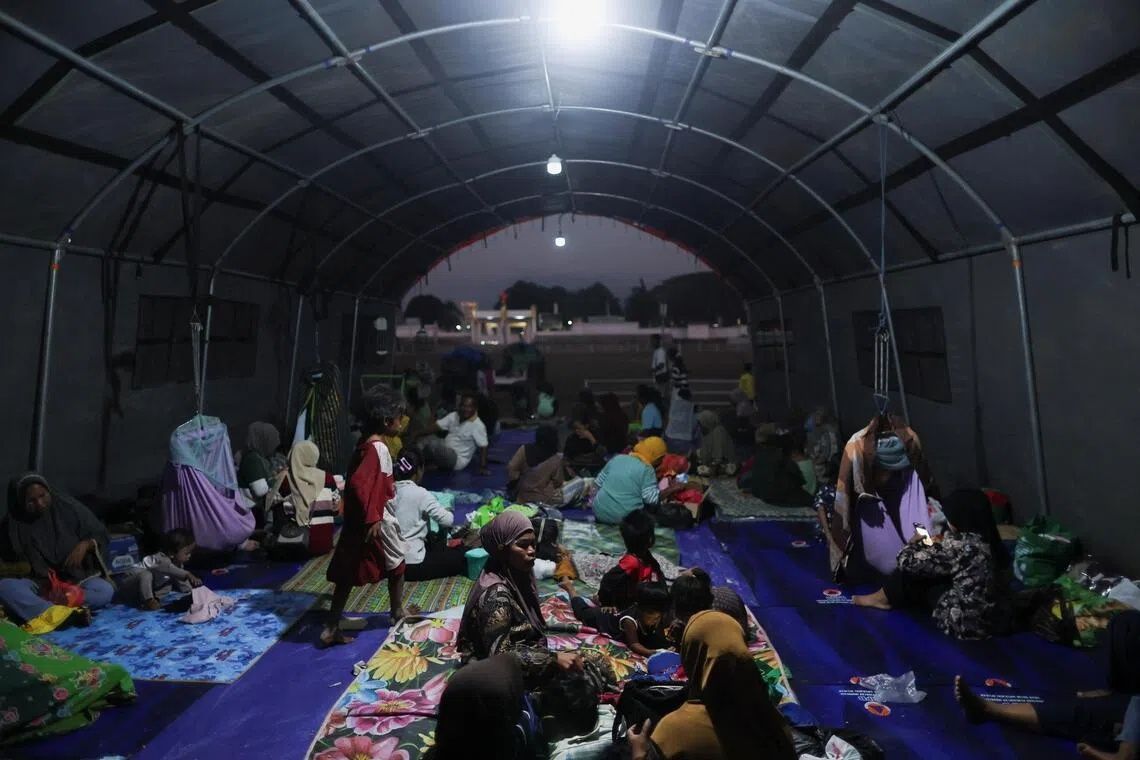
The immediate aftermath witnessed significant population displacement, as approximately 5,000 residents hastily evacuated their homes when the initial quake struck early on August 15. The disaster triggered an exceptionally intense aftershock sequence, with Indonesia's national disaster agency reporting nearly 1,000 recorded aftershocks occurring within the hours following the principal seismic event. This prolonged seismic activity has intensified anxiety among displaced populations and complicated rescue and recovery operations by creating ongoing safety hazards.
The humanitarian situation on the ground has become progressively more urgent as rescue and emergency management authorities assess the scope of material needs confronting survivors. Official assessments conducted as of August 16 identified critical shortages in emergency shelter materials, particularly temporary tents required to house displaced families without access to their damaged homes. The disaster has also disrupted supply chains for essential provisions including food stocks, pharmaceutical supplies, and potable water sources across affected communities.
Beyond these immediate survival necessities, rescue officials have flagged the requirement for electrical power generation capacity in areas where the earthquake destroyed utility infrastructure. The combination of summer heat, lack of refrigeration for food preservation, and absence of electricity for medical equipment operation presents cascading public health risks that could compound the initial disaster's toll if not rapidly addressed through coordinated international assistance.
Singapore's expression of sympathy reflects the broader regional security and humanitarian framework that has long characterised bilateral relations between the city-state and its massive archipelagic neighbour. Indonesia, as a fellow member of the Association of Southeast Asian Nations and a crucial maritime trading partner, occupies an integral position in Singapore's regional strategic calculus. The earthquake's impact on Flores, while geographically distant from Singapore's territory, nevertheless carries implications for regional stability and humanitarian cooperation frameworks.
Wong's message specifically acknowledged the extraordinary efforts being undertaken by Indonesian authorities and emergency personnel engaged in relief coordination and recovery planning. This recognition implicitly signals Singapore's readiness to provide technical support or material assistance should Indonesian officials determine that such aid would facilitate more efficient rescue operations. The carefully calibrated diplomatic tone suggests openness to bilateral cooperation while respecting Indonesian sovereignty over domestic disaster response.
The succession of earthquakes affecting Indonesia's eastern and northern zones also highlights the nation's position within the Pacific Ring of Fire, a geological reality that periodically generates large-scale natural disasters. For Southeast Asian policymakers and disaster management professionals, the Flores earthquake serves as an instructive reminder of the region's seismic vulnerability and the necessity for robust cross-border cooperation frameworks in humanitarian emergencies.
Indonesia's experience managing this dual earthquake sequence will likely inform regional discussions regarding earthquake preparedness, early warning systems, and coordinated international response protocols. Singapore, given its advanced disaster management infrastructure and technical capabilities, may play a supporting role in such discussions, though Indonesia's national disaster agency will necessarily maintain primary authority over all domestic relief operations.

