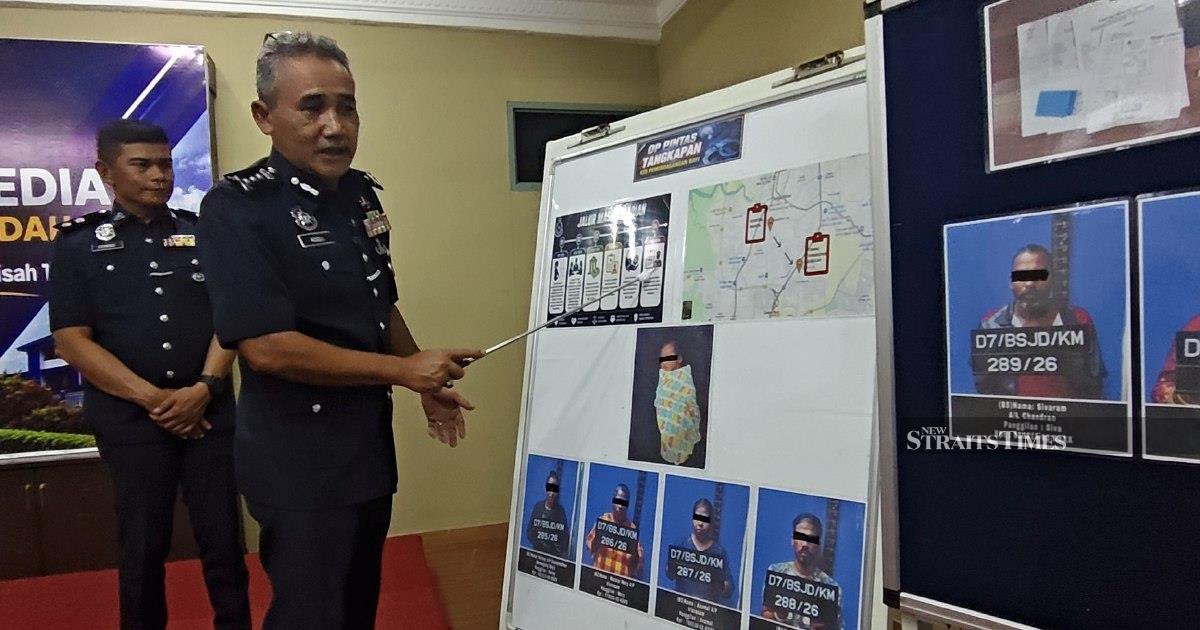
Police in Kuala Muda, Kedah, have launched a significant operation resulting in the arrest of six suspects connected to what authorities describe as a baby trafficking network. Among those detained is a woman who had given birth merely five days before her apprehension, marking a particularly disturbing dimension of the case that underscores the vulnerability of new mothers and infants in trafficking schemes.
The timing of the arrests, coming just days after the woman's delivery, suggests that investigators moved swiftly upon discovering evidence of the alleged operation. This rapid response by the Kedah police indicates that the authorities had been actively monitoring suspected trafficking activities in the region and were prepared to act decisively when circumstances allowed them to intercede.
Baby trafficking remains one of the most serious forms of human trafficking, attracting international attention from organizations devoted to combating organised crime and protecting vulnerable populations. The placement of an infant on the market for illegal adoption or exploitation represents a profound violation of the child's rights and safety, and carries severe criminal penalties in Malaysia under existing trafficking and child protection legislation.
The concentration of the suspected ring in Kuala Muda reflects a broader pattern of trafficking activities identified across Malaysia's northern states. Kedah, positioned along major transportation routes and with porous borders, has historically emerged as a transit point and operational base for various forms of human trafficking. The state's demographics, economic conditions, and proximity to Thailand create conditions that organised trafficking networks have exploited.
The inclusion of a postpartum mother in the suspects raises important questions about coercion, exploitation, and the circumstances under which impoverished or vulnerable women become entangled in trafficking schemes. New mothers facing financial desperation, social pressure, or outright coercion may be manipulated into surrendering their newborns, either through deception about adoption procedures or through direct exploitation of their vulnerability during the critical postnatal period.
Police investigations into such networks typically follow lengthy undercover operations and tip-offs from community members or healthcare professionals. The identification of all six suspects suggests a coordinated effort involving multiple actors—facilitators who connect sellers with buyers, intermediaries who arrange logistics, and individuals who exploit both biological mothers and potential adoptive families seeking to circumvent legal channels.
The legal framework governing adoption in Malaysia requires strict adherence to procedures through the Syariah courts for Muslim families and the civil courts for non-Muslim families. These legitimate pathways exist specifically to protect the interests of children, birth parents, and adoptive families. Trafficking schemes bypass these safeguards entirely, leaving all parties vulnerable to exploitation and placing children at severe risk of abuse, trafficking onwards for labour or sexual exploitation, or other forms of harm.
The authorities have not yet disclosed the specific roles of the arrested individuals or the extent of the alleged trafficking network's operations. Investigators will need to establish how many children were moved through this channel, the destinations to which they were sent, and the financial transactions involved. Such details are crucial for determining the scale of the suspected operation and identifying whether networks extend beyond Kedah into neighbouring states or internationally.
International cooperation may be required if the investigation reveals cross-border elements. Malaysia is a signatory to the United Nations Protocol to Prevent, Suppress and Punish Trafficking in Persons, particularly women and children, and maintains partnerships with neighbouring countries and international law enforcement agencies for coordinating responses to trafficking that spans jurisdictional boundaries.
The case carries significant implications for policy and prevention efforts across Malaysia and the region. Healthcare providers, social workers, and law enforcement agencies must remain vigilant to identify signs of trafficking coercion among pregnant women and new mothers, particularly those showing signs of financial desperation or being accompanied by controlling individuals who limit their agency.
Community education campaigns focusing on legitimate adoption pathways and the risks associated with unofficial arrangements remain essential tools for preventing trafficking. Many individuals who become entangled in trafficking schemes do so through ignorance of proper procedures or desperation born of poverty and social stigma surrounding out-of-wedlock pregnancies.
The investigation into this Kuala Muda network will proceed through the courts, where prosecutors must establish the roles of each suspect and demonstrate that the activities constituted trafficking as defined under the Anti-Trafficking in Persons and Anti-Smuggling of Migrants Act 2007. Convictions can carry sentences of up to 20 years imprisonment and substantial fines, reflecting the gravity with which Malaysian law treats such offences.
As the case unfolds, it serves as a stark reminder of trafficking's persistent presence within Malaysian society and the particular vulnerabilities facing newborns and the women who bear them. Sustained commitment to investigation, prosecution, and prevention remains essential to disrupting these networks and protecting Malaysia's most defenceless citizens from exploitation.

