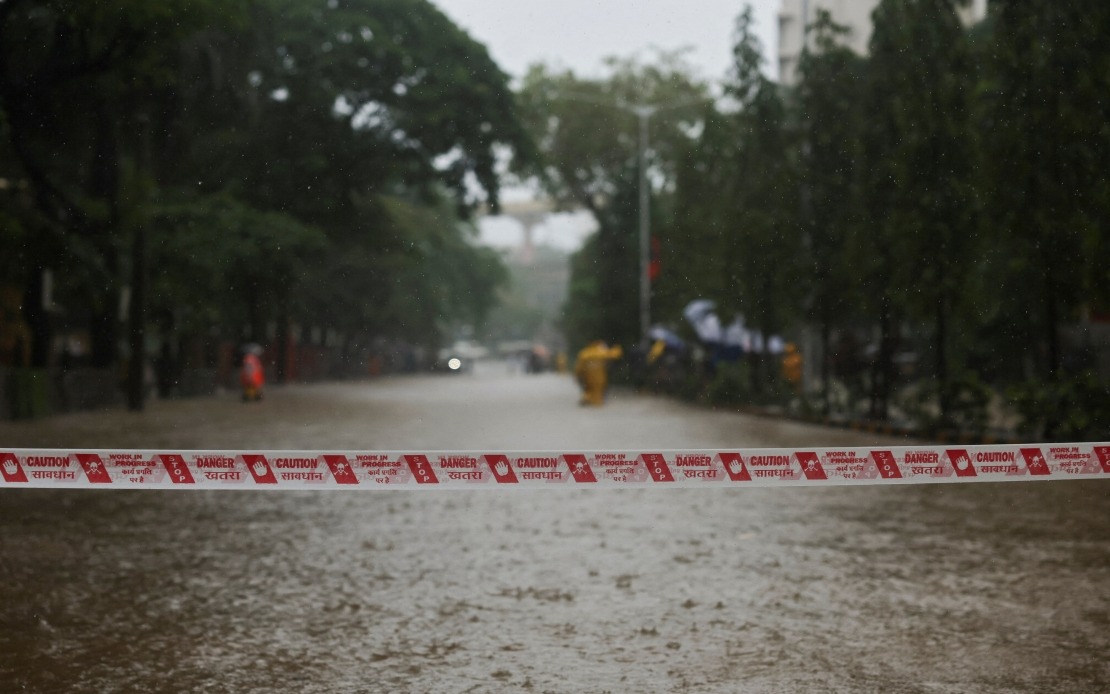
A residential building in Mumbai crumbled during heavy rainfall on Sunday, resulting in the deaths of six individuals and leaving another person with injuries. The tragedy unfolded in the Mankhurd locality of India's premier financial centre, marking another sobering reminder of the challenges posed by the annual monsoon season to urban infrastructure in South Asia's largest economy.
According to Maharashtra State Minister Girish Mahajan, a senior BJP leader who addressed the media following the incident, investigators will examine the structural integrity and construction methods employed in the building's design and execution. This inquiry underscores longstanding concerns about building standards and enforcement mechanisms in densely populated urban areas, where rapid development sometimes outpaces rigorous regulatory oversight. The collapse serves as a catalyst for renewed scrutiny of how constructions are approved, monitored, and maintained, particularly in neighbourhoods that have experienced rapid informal expansion.
The meteorological conditions that precipitated the disaster were severe. On the same day, Mumbai's Chhatrapati Shivaji Maharaj International Airport experienced operational disruptions as wind gusts and torrential precipitation swept across the region. Flight schedules were temporarily affected, illustrating the wide-ranging impact of extreme weather systems on the city's critical infrastructure and economic activity.
In response to the hazardous conditions, educational authorities took a precautionary stance by declaring a holiday for schools and colleges throughout the affected region. This decision prioritised student safety and reflected official recognition that the weather had reached dangerous levels for children commuting to and from educational institutions. Such measures, whilst disruptive to academic schedules, represent the pragmatic risk management approach increasingly adopted by municipal authorities across urban India.
Mumbai's vulnerability to monsoon-related disasters reflects broader environmental and developmental patterns across South Asia. The city experiences annual rainfall concentrations that can be intense and unrelenting, testing the resilience of its ageing infrastructure and rapidly constructed commercial and residential properties. Climate scientists have noted that precipitation patterns associated with the Indian monsoon appear to be intensifying in certain regions, a trend that may be linked to broader climatic shifts affecting the subcontinent.
The monsoon season, which typically commences in June and persists until September, remains a defining meteorological phenomenon for India and neighbouring countries including Malaysia. Understanding monsoon behaviour and its consequences for urban environments has become increasingly critical as South Asian cities expand vertically and horizontally, often with inadequate consideration of drainage systems, flood mitigation, and structural resilience.
For Malaysian observers, the Mumbai incident carries particular significance given similar vulnerabilities in urban centres throughout Southeast Asia. Malaysia's own experience with urban flooding and infrastructure stress during heavy rainfall events demonstrates that the challenges confronting Mumbai are not unique to India. Cities across the region face comparable pressures: rapid urbanisation, ageing infrastructure, informal settlements, and climate variability all intersect to create hazardous conditions for residents.
The incident also highlights the importance of building code enforcement and construction quality assurance mechanisms. In Malaysia, regulatory frameworks governing building standards and materials have evolved considerably, yet enforcement remains inconsistent across jurisdictions and development phases. The Mumbai collapse suggests that even in a country with established engineering standards, the implementation gap between regulation and practice can prove fatal.
This tragedy comes amid growing recognition that monsoon-related risks will likely intensify as precipitation patterns shift in response to climate change. The Indian subcontinent and Southeast Asia both sit at the frontline of these meteorological transformations, requiring proactive adaptation strategies encompassing improved urban planning, resilient infrastructure design, and updated building codes that account for more extreme weather scenarios.
The investigation into the Mankhurd building's collapse will likely reveal whether structural deficiencies, inadequate maintenance, unsuitable materials, or poor planning contributed to the disaster. Such findings typically generate policy discussions about accountability mechanisms for developers, oversight bodies, and municipal authorities responsible for approving and monitoring construction projects.
For residents of major South Asian cities, including those in Southeast Asia's major urban centres, this incident reinforces the reality that infrastructure safety demands constant attention and investment. The deadly consequences of structural failure underscore why building standards, compliance mechanisms, and preventive maintenance programmes must remain non-negotiable priorities rather than bureaucratic formalities. The six lives lost in Mumbai represent a human cost that development-focused urban areas can ill afford to normalise.

