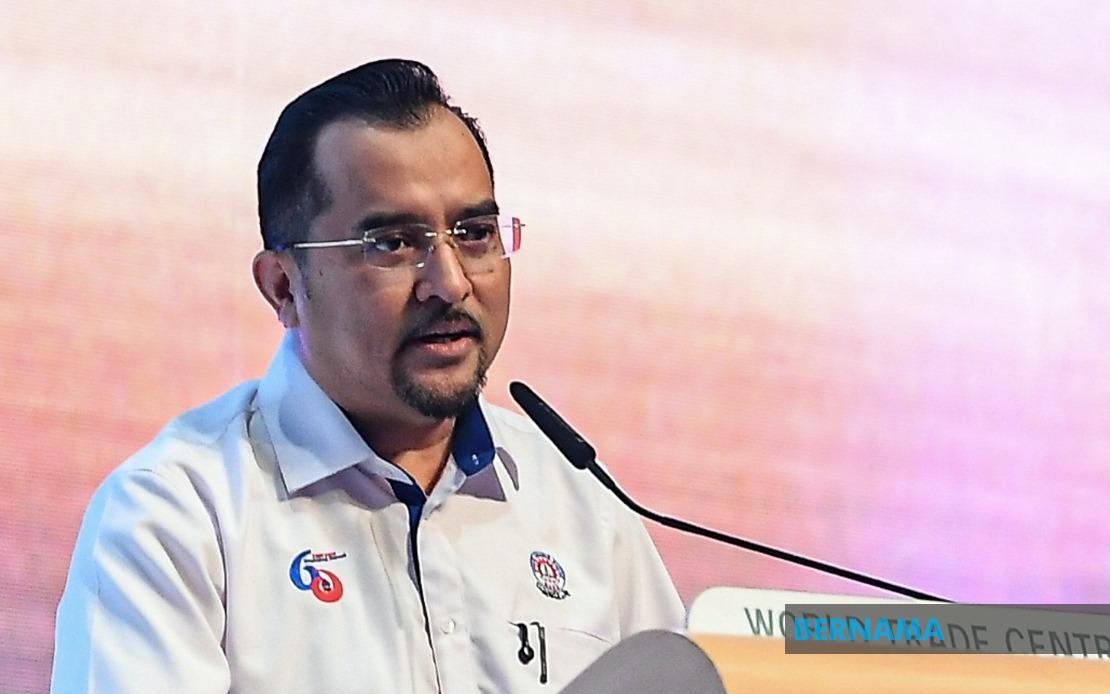
Six Form Five students from a MARA Junior Science College (MRSM) in Johor have been arrested on suspicion of bullying a peer, facing potential expulsion from the institution if they are found guilty of the allegations. The swift pronouncement came from MARA Chairman Datuk Asyraf Wajdi Dusuki, who signalled the organization's determination to stamp out such behaviour in its residential schools. The students are currently remanded for two days to assist police investigations into the matter.
The Disciplinary Committee at the Johor MRSM has been instructed to convene within 24 hours to investigate the allegations thoroughly, with the Secondary Education Division overseeing the process. Datuk Asyraf emphasized that the college must treat this with the highest level of seriousness, leaving no room for leniency if the students are proven guilty of the charges. His directive represents an escalation in the response to what has become an increasingly visible problem within Malaysia's selective school system.
The bullying incident might have remained confined to internal handling had the victim's family not turned to social media to publicize their experience. The parents of the 14-year-old boy revealed that their son had requested to withdraw from the MRSM, unable to tolerate the relentless mistreatment he was enduring at the hands of his older classmates. This public disclosure prompted the filing of a police report, transforming what could have been a disciplinary matter into a criminal investigation that has drawn national attention.
Datuk Asyraf expressed profound disappointment with the incident, describing himself as saddened and regretful upon learning of the alleged misconduct. His language underscored the gravity with which MARA leadership views such behaviour, particularly within institutions designed to nurture Malaysia's brightest young minds. The chairman stressed that bullying, regardless of whether perpetrators justify it as a form of discipline or initiation, represents a fundamental breach of the values that MRSM institutions are meant to uphold.
The "YOU TOUCH, YOU GO" policy, which Datuk Asyraf reiterated has been repeatedly communicated to the MRSM community, establishes a clear zero-tolerance framework for physical aggression or deliberate harm. This directive signals that there are no extenuating circumstances that would permit violent behaviour within the college system. The unambiguous messaging aims to deter students from engaging in bullying whilst simultaneously ensuring victims understand that such conduct will be swiftly punished.
Beyond the six accused students, MARA has also placed institutions on notice that adults who become aware of bullying incidents but fail to report them will face consequences. Datuk Asyraf cautioned that anyone attempting to conceal or protect those involved in bullying will face appropriate action from the organization. This extended accountability structure recognizes that bullying often persists because witnesses and authority figures remain silent, creating a culture where perpetrators feel emboldened to continue their behaviour.
The incident highlights a persistent challenge within Malaysia's residential college system, where students living away from home and under considerable academic pressure sometimes resort to physical intimidation of younger or weaker peers. MRSM institutions, which pride themselves on academic excellence and character development, have occasionally faced criticism over inadequate safeguarding measures and inadequate supervision during non-academic hours. The bullying of a 14-year-old by Form Five students suggests a significant age and power differential that would make the victim particularly vulnerable.
Datuk Asyraf has simultaneously urged students to come forward with reports of bullying rather than suffer in silence or withdraw from their education. This appeal addresses the reality that many victims of institutional bullying feel ashamed or fear escalating the situation by reporting it. By encouraging transparency and assuring students that MARA will respond decisively, the chairman attempts to reverse the code of silence that often enables bullying to persist unchecked within closed residential environments.
The case carries implications beyond the individual institution and the six accused students. It reflects broader questions about how Malaysia's selective school system manages the behavioural challenges that emerge when highly competitive and academically driven environments create hierarchies and pressure. The public nature of the incident, amplified through social media, has elevated scrutiny on MARA's governance and the effectiveness of existing safeguarding policies. The organization's swift response suggests it recognizes the reputational and institutional damage that inadequate handling of such serious allegations could inflict.
For Malaysian parents considering residential schools, the case underscores the importance of monitoring their children's wellbeing and maintaining open communication channels. The victim's parents' willingness to publicize their son's experience demonstrates how parental advocacy can trigger institutional accountability when internal mechanisms appear insufficient. Their actions have forced the MRSM system to demonstrate that it takes student safety seriously and will not permit a culture of abuse to flourish unchecked.
The investigation and subsequent disciplinary proceedings will establish precedent for how MARA handles similar cases in the future. If expulsion follows a guilty verdict, it will reinforce the organization's commitment to the zero-tolerance stance. Conversely, any perceived leniency would undermine Datuk Asyraf's unequivocal statements and signal to the student body that serious offences might be overlooked or minimized. The transparency of the process and the consistency of the punishment will determine whether the incident becomes a turning point in MRSM's institutional culture or merely a well-publicized but ultimately inconsequential controversy.

