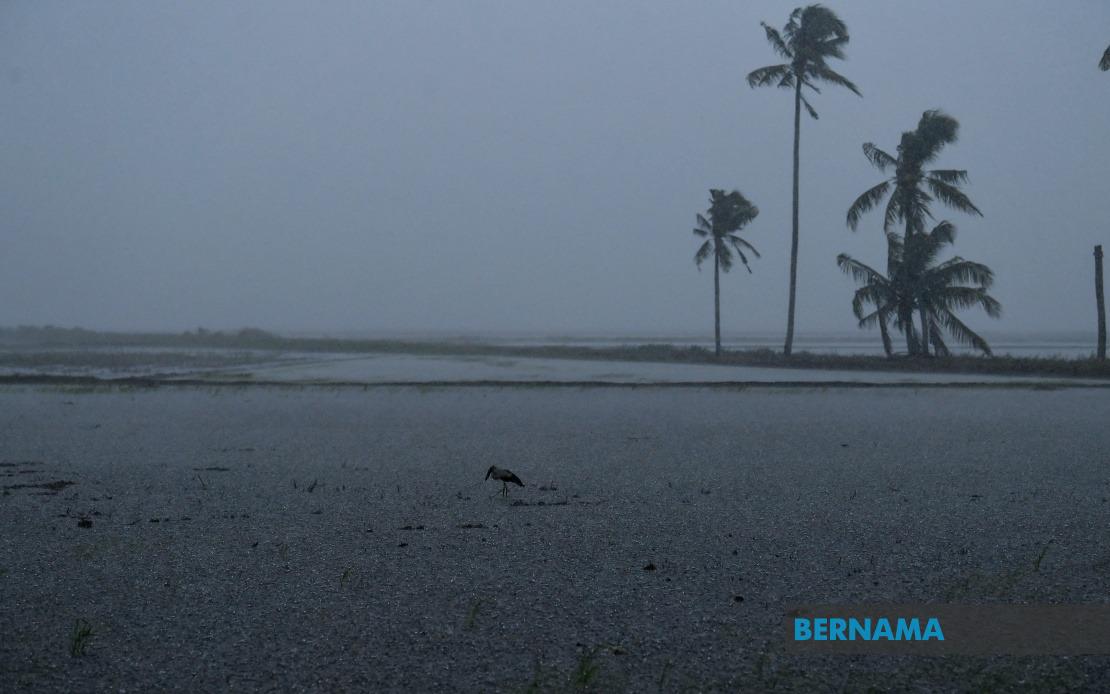
The Malaysian Meteorological Department issued a weather alert on July 10 cautioning residents and officials across multiple regions to brace for potentially dangerous atmospheric conditions affecting several populated districts. The advisory, valid until 2 pm that day, outlined a pattern of severe thunderstorms coupled with heavy precipitation and gusty winds expected to develop and intensify across affected zones.
In Perak, three districts faced heightened meteorological risk: the coastal communities of Kerian and Bagan Datuk, along with the lower Perak region. These areas, encompassing significant agricultural and industrial activity, warranted particular attention given the vulnerability of infrastructure and agricultural operations to lightning strike and water damage during severe weather events.
Selangor's exposure centred on two strategically important zones—Sabak Bernam in the north and Kuala Selangor to the west. Both districts sit within the state's development corridor and contain densely populated residential and commercial zones where flooding during heavy rain events can disrupt transportation networks and cause property damage.
Negeri Sembilan's alert covered the southern districts of Jempol and Tampin, areas with significant rural populations that often experience localized flooding during intense downpours. The state's topography and drainage patterns make these regions particularly susceptible to rapid water accumulation when rainfall exceeds normal absorption rates.
Melaka's two affected districts—Alor Gajah and Jasin—encompass both urban settlements and agricultural land. The region's historical vulnerability to flash flooding during monsoon periods underscores the practical importance of such weather advisories for local authorities and residents planning daily activities.
Johor's eastern district of Kota Tinggi represented a significant concern due to its dense settlement patterns and proximity to river systems that can overflow rapidly during extreme rainfall events. The district's role as a commercial hub and residential centre means weather disruptions can have cascading economic and social consequences.
Sabah experienced the most geographically dispersed threat, with alerts spanning the interior, west coast, and northern regions. The interior zones of Kuala Penyu and Beaufort faced risk alongside the heavily populated west coast corridor—Papar, Putatan, Penampang, Kota Kinabalu, Tuaran, and Kota Belud—which together represent the state's primary economic and population centre. Additionally, Kudat in the far north required precautionary measures.
Thunderstorm warnings of this scope carry significant practical implications for residents, transportation authorities, and emergency management agencies. Strong winds can topple trees, damage roofing, and disrupt power distribution networks across wide areas. Heavy rain, particularly when concentrated over brief periods, overwhelms drainage infrastructure in urban zones and creates flash flood conditions that trap vehicles and threaten lives. Lightning poses acute electrocution hazards to individuals outdoors and can trigger fires in affected facilities.
MetMalaysia's issuance of formal advisories enables state and local governments to preposition emergency response teams, activate drainage systems where available, issue public warnings through media channels, and coordinate with utility companies. Schools and workplaces in affected regions often adjust schedules or implement precautionary closures to minimize exposure to dangerous weather. Residents typically secure outdoor items, avoid unnecessary travel, and remain indoors during the period of greatest risk.
The timing of such weather patterns during Malaysia's southwest monsoon season reflects broader atmospheric circulation patterns that bring moisture-laden air masses into interaction with local topographic features and heat-driven convection. The specific districts identified typically experience enhanced storm activity during midday hours when solar heating reaches peak intensity, explaining why the alert extended through the early afternoon period.
For residents across the affected zones, the practical guidance centred on postponing outdoor activities, securing property, monitoring official weather updates, and remaining prepared for potential disruptions to utilities and transportation services. Motorists were implicitly advised to exercise heightened caution given reduced visibility during heavy rain and the risk of flooding on low-lying roads. Agricultural communities understood that timing of field operations and livestock protection required adjustment.
The alert underscored the ongoing value of Malaysia's meteorological monitoring capability in providing residents and authorities with actionable early warning information. By identifying specific districts and providing precise time windows for expected conditions, MetMalaysia enables localized preparedness measures that reduce injury, property damage, and economic disruption from severe weather events.

