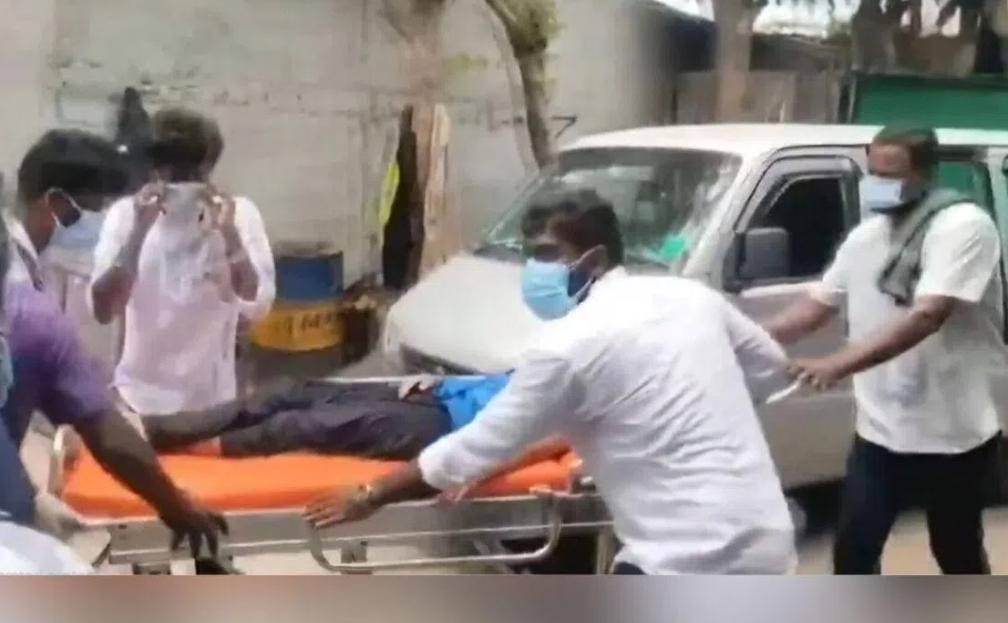
A catastrophic gas leak at a seafood processing facility in Tamil Nadu claimed the lives of at least six workers on Sunday, June 21, with authorities launching an emergency investigation into what officials suspect was an ammonia release from the unit's refrigeration systems. The incident at the plant near Periyapalayam in Thiruvallur district has intensified scrutiny over industrial safety practices in India's export-oriented seafood sector, raising alarm bells about worker protection standards in facilities that supply global markets.
The facility employed approximately 120 migrant workers at the time of the leak, a significant portion of whom originated from Assam, Odisha and Jharkhand. These workers, many of them women, had gathered for their regular shifts when the gas began spreading throughout the processing unit. The sudden atmospheric contamination caught workers without adequate warning systems or protective measures, leaving them vulnerable to severe toxic exposure.
Victims experienced harrowing symptoms as the ammonia dispersed through the facility. Workers reported acute respiratory distress, vertigo and chemical irritation across their mucous membranes. Several casualties displayed alarming signs including hemorrhaging from nasal passages and mouth, a clinical indication of the hazardous concentration levels they inhaled. The intensity of exposure created life-threatening conditions for those unable to evacuate swiftly from affected zones.
Witness accounts describe scenes of chaos as workers desperately sought refuge from the spreading gas. Many employees collapsed as they attempted to escape, while emergency personnel arrived to find a complex humanitarian crisis unfolding. Rescue operations mobilised quickly, with police, local authorities and emergency response teams converging on the site to coordinate evacuations and medical interventions.
Medical teams transported hospitalised workers to nearby healthcare facilities where they received emergency treatment for gas inhalation injuries. Multiple patients reportedly remained in critical condition following initial assessment, facing prolonged recovery trajectories from significant respiratory and systemic damage. The scale of casualties has overwhelmed local hospital resources, prompting coordination across multiple medical centres to distribute the patient load.
Tamil Nadu Chief Minister C. Joseph Vijay responded to the disaster by directing state officials to extend comprehensive medical assistance to affected workers. Beyond immediate healthcare provision, Vijay initiated broader institutional accountability mechanisms by constituting a three-member inquiry committee tasked with determining root causes of the leak. The panel received orders to conduct urgent facility inspections and submit comprehensive findings within 24 hours, an aggressive timeline reflecting the seriousness with which state leadership views the incident.
The investigation framework targets multiple areas of operational concern. Authorities will examine whether proper maintenance protocols were followed for refrigeration and processing equipment. Safety procedures governing ammonia handling, storage and emergency response will undergo detailed scrutiny. The inquiry will specifically assess whether the facility maintained adequate ventilation systems, alarm mechanisms and worker training programmes for hazardous substance exposure scenarios. Potential regulatory gaps and enforcement failures by industrial safety agencies may also come under examination.
Law enforcement has registered formal criminal cases related to the incident, initiating parallel investigations that may examine whether facility operators violated industrial safety legislation. These inquiries represent distinct from administrative reviews, potentially exposing management to criminal liability if negligence contributed to worker deaths. The overlap between administrative and criminal processes suggests authorities are treating this as a preventable tragedy resulting from systemic failures rather than an unavoidable accident.
This catastrophe reflects persistent vulnerabilities within India's seafood export industry, where facilities often employ transient migrant workforces with limited familiarity with local safety standards. The concentration of workers from distant states suggests these individuals may lack established networks for reporting safety concerns or advocating for improved conditions. Such structural disadvantages leave vulnerable populations exposed to hazardous working conditions that might provoke resistance from locally-rooted employees with stronger community connections and bargaining power.
For Malaysian stakeholders engaged in seafood trade with Tamil Nadu suppliers, this incident underscores the importance of supply chain due diligence. Many Malaysian importers source processed seafood from southern Indian facilities, making the safety standards of these plants directly relevant to regional food security and ethical sourcing commitments. The tragedy illustrates how competitive pressures in global seafood markets can incentivise cost-cutting that compromises worker safety and facility maintenance.
The incident also highlights broader regional concerns about industrial safety enforcement across South Asia. Singapore and Malaysia have invested significantly in occupational health and safety infrastructure, creating divergent standards across the region. As regional trade deepens, questions arise regarding harmonisation of safety requirements and whether suppliers in lower-regulation jurisdictions face adequate incentives to meet higher protection standards demanded by more stringent markets.
Worker safety advocates across Southeast Asia have noted similar patterns of gas leaks and chemical incidents at industrial facilities in South Asian jurisdictions, suggesting systemic challenges in regulatory oversight and industry compliance. The Tamil Nadu incident provides an opportunity for regional governments to strengthen bilateral agreements on supplier auditing and mandatory safety certifications for facilities engaged in cross-border food trade.
%22%2F%3E%3C%2Fpattern%3E%3C%2Fdefs%3E%3Crect%20width%3D%22100%25%22%20height%3D%22100%25%22%20fill%3D%22url(%23ph4sj74g)%22%2F%3E%3Crect%20width%3D%22100%25%22%20height%3D%22100%25%22%20fill%3D%22url(%23ph4sj74p)%22%2F%3E%3Ctext%20x%3D%2250%25%22%20y%3D%2250%25%22%20text-anchor%3D%22middle%22%20dominant-baseline%3D%22central%22%20fill%3D%22rgba(255%2C255%2C255%2C0.95)%22%20font-family%3D%22Georgia%2C%20'Times%20New%20Roman'%2C%20serif%22%20font-weight%3D%22700%22%20font-size%3D%22170%22%20letter-spacing%3D%22-0.02em%22%3EMalaysia%3C%2Ftext%3E%3C%2Fsvg%3E)
%22%2F%3E%3C%2Fpattern%3E%3C%2Fdefs%3E%3Crect%20width%3D%22100%25%22%20height%3D%22100%25%22%20fill%3D%22url(%23ph51v0dg)%22%2F%3E%3Crect%20width%3D%22100%25%22%20height%3D%22100%25%22%20fill%3D%22url(%23ph51v0dp)%22%2F%3E%3Ctext%20x%3D%2250%25%22%20y%3D%2250%25%22%20text-anchor%3D%22middle%22%20dominant-baseline%3D%22central%22%20fill%3D%22rgba(255%2C255%2C255%2C0.95)%22%20font-family%3D%22Georgia%2C%20'Times%20New%20Roman'%2C%20serif%22%20font-weight%3D%22700%22%20font-size%3D%22170%22%20letter-spacing%3D%22-0.02em%22%3EMalaysia%3C%2Ftext%3E%3C%2Fsvg%3E)