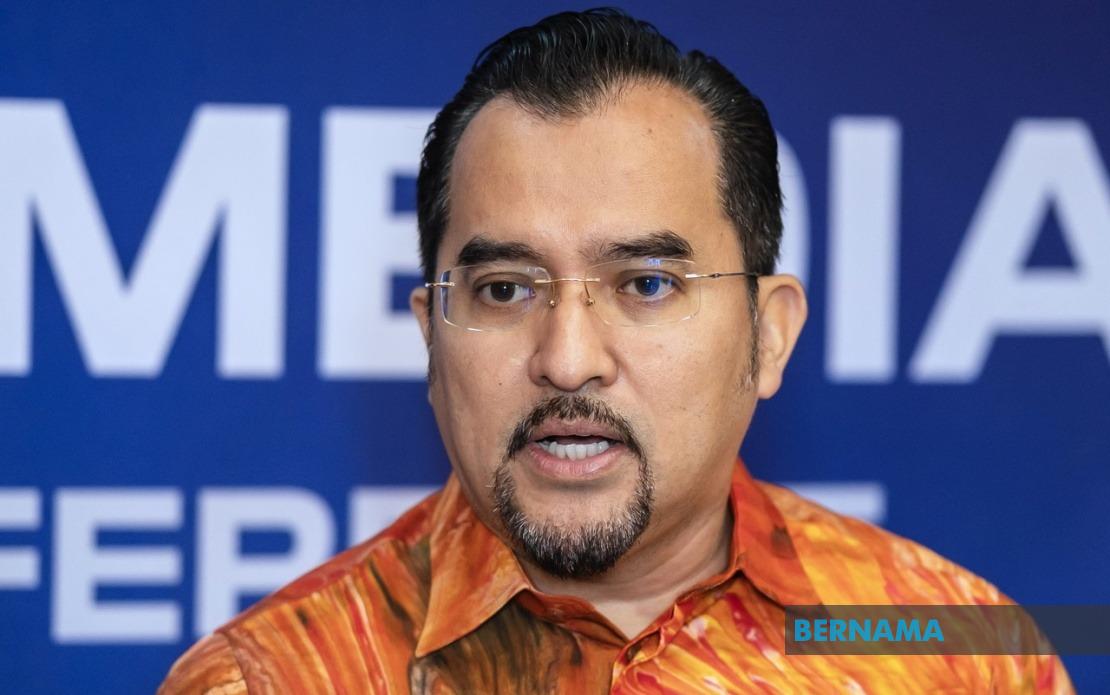
Sixteen retired Malaysian Armed Forces personnel are stepping into full-time warden positions across eight MARA Junior Science Colleges from July 1, marking the second phase of a recruitment drive designed to bolster student discipline and curb bullying in the residential institutions. The strategic initiative, led by MARA and supported by several partner agencies, represents an evolution from a pilot scheme launched last October at MRSM Besut and MRSM Balik Pulau.
MARÁ Chairman Datuk Dr Asyraf Wajdi Dusuki framed the appointment of former military personnel as a calculated response to behavioural challenges within the college system. The veteran wardens are expected to bring military training and experience to bear on maintaining order and fostering a safer environment for the 1,500-plus students across the eight participating institutions. This approach signals Malaysia's growing willingness to deploy discipline-focused strategies in managing student welfare in boarding schools, a concern that has periodically surfaced in public discourse following reports of bullying and misconduct.
The current recruitment cycle will expand the warden complement to 32 across the eight colleges, with two male and two female wardens assigned to each institution. The male contingent—all 16 wardens—will commence duties on the appointed date, while the female recruitment pipeline remains in progress. Some 162 women have applied for the female warden positions, with online assessments completed on June 25 and physical interviews scheduled for July 2. The staggered approach reflects the thoroughness with which MARA intends to vet candidates, though it also points to the challenge of sourcing qualified female military veterans for such roles—a demographic pool considerably smaller than the male equivalent.
The selection methodology underscore MARA's determination to sidestep the reputational damage that could result from placing unsuitable individuals in positions of responsibility over minors. The process involves multiple organisations: Glokal Link Sdn Bhd (a MARA subsidiary), the MARA Secondary Education Division, the Veterans Affairs Department (JHEV), TalentCorp, and the Malaysian Armed Forces Psychology and Counselling Section. This multi-agency collaboration ensures that no single point of judgment determines a candidate's suitability, reducing the risk of oversight or bias.
Candidates have undergone extensive evaluation before reaching the interview stage. Initial screening by JHEV and TalentCorp filtered applicants against strict criteria: recognised ATM veterans who completed honourable service without discharge for misconduct, serious disciplinary breaches, or legal violations. Of 147 candidates who attended physical interviews on June 15 and 16 at MARA's Higher Skills Institute in Kepong, 139 were male applicants who had cleared prior screening rounds. The numbers suggest a competitive process, with fewer than one in ten male applicants progressing to the final phase.
Psychometric testing forms a cornerstone of the vetting framework. Candidates undergo the MyNext OCEAN and RIASEC psychometric assessments, which evaluate personality traits and career suitability respectively. Military psychological evaluations then probe candidates' mental health resilience and suitability for high-stress roles. Physical fitness is assessed via BMI measurements and the bleep test, confirming that wardens meet baseline standards for maintaining order in a residential environment. Panel interviews involving representatives from the multiple partner agencies allow assessors to probe candidates' responses across different perspectives and expertise.
Perhaps most stringently, all shortlisted candidates face a final psychological evaluation by Malaysian Armed Forces psychologists and counsellors before appointment. This screening specifically targets safeguarding concerns: evaluators assess candidates' understanding of appropriate warden-student boundaries, their impulse control, sexual misconduct risks, and their capacity to protect vulnerable young people. Biofeedback evaluations complement these assessments, adding a physiological dimension to psychological assessment. Such rigour reflects heightened awareness within institutional settings of the dangers posed by individuals with predatory inclinations, a concern that has prompted similar vetting overhauls in schools and youth organisations across the developed world.
Parallel to psychological assessment, administrative checks verify veteran status and clear backgrounds. The Royal Malaysia Police conducts criminal record screening, while candidates are cross-referenced against the national child sexual offenders registry. Only once all critical safeguarding checks conclude will GLSB issue formal appointment letters. Datuk Dr Asyraf Wajdi emphasised that no offer will be extended to candidates with any blemish on these fronts, signalling that MARA is willing to forgo filling vacancies rather than compromise on safety standards.
The programme's phased expansion illustrates MARA's cautious approach to scaling. The second phase encompasses eight colleges; the third phase, scheduled for January 1, 2027, will roll out the initiative across the remaining 58 MRSMs. This graduated timeline allows MARA to monitor outcomes, troubleshoot implementation issues, and refine recruitment and training protocols before extending the scheme nationally. The deliberate pace also signals confidence in the approach while acknowledging that residential college management is too sensitive to allow hasty decisions.
For Malaysian stakeholders, including parents and education policymakers, the initiative represents a potential turning point in addressing bullying and indiscipline in elite boarding institutions. Residential colleges have long occupied an ambiguous space in Malaysia's education system—prestigious academically but occasionally troubled by bullying incidents that attract media scrutiny and parental concern. By introducing military-trained personnel whose professional background emphasises hierarchy, order, and codes of conduct, MARA is betting that discipline and lived experience of military culture can reduce behavioural incidents. The success or failure of this initiative will likely influence whether other residential institutions adopt similar models.
The scale of scrutiny applied to candidate selection reflects the lessons Malaysia has absorbed from institutional failures elsewhere. International cases of safeguarding lapses in boarding schools have underscored the catastrophic reputational and emotional consequences when unsuitable individuals gain access to vulnerable young people. MARA's multi-layered vetting process, while administratively cumbersome, acknowledges these risks and seeks to minimise them through exhaustive evaluation. The fact that 162 women applied for the female warden roles suggests substantial interest in the scheme, though the eventual intake will likely be far smaller once screening concludes.
Rolling out across all 58 MRSMs will require recruiting hundreds of additional wardens, assuming the two-per-gender model applies nationwide. The Veterans Affairs Department's role in the recruitment pipeline indicates that the government views this scheme as both a student welfare initiative and a pathway for military personnel to transition into civilian employment. For retired soldiers, warden positions offer stable, meaningful work aligned with their training and values. The convergence of student safety concerns and veteran employment support has created political momentum behind the initiative, though its ultimate success will rest on whether appointed wardens can genuinely reduce bullying and strengthen discipline at the colleges.

