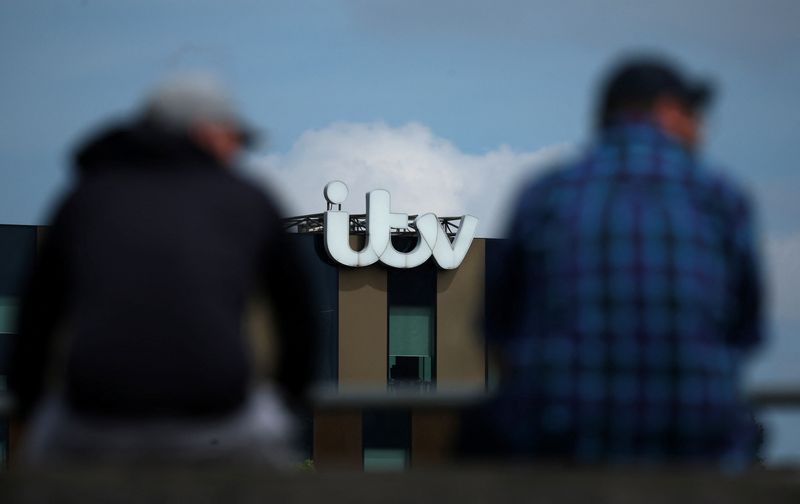
The British television landscape is poised for its most significant transformation in decades following Comcast's Sky announcement that it will acquire ITV's broadcast channels and streaming service for £1.6 billion, a deal that represents a watershed moment for traditional media in the United Kingdom. Sky Chief Executive Dana Strong characterised the merger as a defining milestone in the nation's broadcasting history, one born from the urgent necessity for established players to consolidate their market position as streaming giants Netflix, Amazon and Disney fundamentally reshape how audiences consume content globally.
This combination would have seemed implausible just a handful of years ago, when the two companies represented fiercely separate spheres of Britain's television ecosystem. ITV has long anchored the country's commercial free-to-air broadcasting landscape, whilst Sky established itself as the leading pay-television operator since its creation by Rupert Murdoch in 1989. Yet the explosive growth of platforms like YouTube and subscription-based streaming services has exposed the vulnerabilities of traditional broadcasters, forcing them to pursue previously unthinkable alliances to maintain relevance and competitive heft in an increasingly fragmented media environment.
The merged entity would command an unprecedented position in the British television advertising market, accounting for more than 70 percent of total ad expenditure across the sector, a concentration that will inevitably draw intensive regulatory scrutiny. This figure includes Sky's third-party advertising contracts, notably those it manages for Paramount-owned Channel 5, meaning the combined company may be compelled to divest certain advertising relationships to satisfy competition concerns from British authorities. The new organisation would reach more than 20 million households across the United Kingdom, creating a vertically integrated media powerhouse capable of developing, producing and distributing content across multiple platforms simultaneously.
Regulatory approval represents the primary obstacle to completing the transaction. ITV's share price climbed 0.5 percent to 82 pence on the announcement, yet the company has endured years of revenue pressure from a weakening advertising market, with its stock having depreciated 36 percent over the preceding five years. The political environment may prove more receptive to consolidation than in previous years, with the UK government having signalled in 2025 that it intends to prioritise conditions enabling growth and investment within the media sector. Culture Minister Lisa Nandy has already demonstrated willingness to shape major broadcasting transactions, publicly stating she could intervene in a significant tie-up between United States companies Paramount and Warner, suggesting the government views strategic consolidation as potentially beneficial for British interests.
Strong emphasised that ITV would continue functioning as a public service broadcaster, maintaining its traditional role at the centre of British cultural life whilst benefiting from Sky's distribution infrastructure and technological capabilities. The acquisition fee comprises £1.2 billion in immediate cash, supplemented by an earn-out provision potentially delivering an additional £200 million contingent on ITV's advertising performance during the 2027 financial year. The arrangement also includes transfer of Love Productions, the production company behind the beloved "The Great British Bake Off," which will merge with the remaining ITV Studios operation to create an independent production entity supplying programming to both the combined Sky-ITV platform and external broadcasters and streaming services globally.
The restructured ITV Studios will retain substantial independence despite Sky ownership, continuing to produce flagship programmes such as "Love Island" and "Coronation Street" for the merged broadcaster whilst simultaneously developing content for external partners including Disney, which currently airs "Rivals," and Apple TV, which distributes "The Reluctant Traveller." This arrangement reflects industry recognition that successful production companies thrive by maintaining relationships across multiple distribution platforms rather than becoming solely dependent on internal outlets. The merged company has committed to investing a minimum of £2.1 billion in content development during the 2028-2032 period, demonstrating determination to compete directly with streaming rivals on programming quality and volume.
Sky's journey to this moment represents a broader narrative about American corporate consolidation of British media assets. Comcast acquired Sky in 2018, and the American telecommunications conglomerate subsequently announced in June its intention to separate media operations including NBCUniversal and Sky from its traditional cable business, reflecting intensifying pressure from streaming competitors eroding traditional pay-television subscriber bases. This divestiture strategy positions Sky as a standalone media company capable of pursuing aggressive content and distribution strategies without constraint from cable infrastructure considerations that have historically limited its investment capacity.
For Malaysian and Southeast Asian observers, the transaction illustrates how traditional broadcasters across developed markets are responding to streaming disruption through consolidation and vertical integration. Unlike Southeast Asia, where regulatory fragmentation has historically prevented comparable cross-border broadcasting consolidation, mature markets like Britain have sufficient regulatory infrastructure to facilitate such transformative mergers despite competition concerns. The deal suggests that government tolerance for media concentration may increase when authorities view consolidation as necessary for competitiveness against dominant American technology platforms, a precedent that could influence future media consolidation discussions across Asia-Pacific.
The combined company's success will ultimately depend on its ability to produce programming capable of competing against Netflix, Disney+ and Amazon Prime Video whilst maintaining ITV's traditional public service commitments and audience loyalty. Traditional television continues losing younger viewers, particularly among the 16-24 age group gravitating toward streaming and YouTube, presenting the fundamental challenge that even well-capitalised merged entities must address. Whether Sky-ITV can reverse this demographic shift through strategic investment and innovative programming remains the crucial question determining whether this historic consolidation represents genuine renewal of British broadcasting or merely a transition to inevitable decline of traditional television distribution models.

