A prominent UMNO Youth leader who spent more than a decade building grassroots support within the party's youth wing was among four people killed when a tree collapsed onto their vehicle near Janda Baik in Bentong on Wednesday afternoon. Mohd Radzi Rahimi, 40, his wife Nuriani Mohammad Jafri, 36, their five-year-old son Muhammad Rizz Hazim, and his brother-in-law Mohammad Nizam Mohammad Jafri, 35, died in the incident along the old Kuala Lumpur-Bentong road at approximately 1 pm. The family had been returning to Maran after participating in a motorcycle programme with youth members from the district in Pulau Pangkor, Perak.
Rahimi Abd Samad, the deceased's father, described his son as someone whose political engagement had never wavered since he first became involved in party activities as a younger man. The elder Rahimi told reporters at the Sultan Haji Ahmad Shah Hospital Forensic Unit in Temerloh that Mohd Radzi had devoted roughly a decade to the Maran UMNO Youth division, earning respect within its ranks before progressing to leadership positions. His trajectory culminated in appointment as Treasurer of the Pahang UMNO Youth movement, a role that reflected the confidence party colleagues placed in his administrative capabilities and dedication to organisational work.
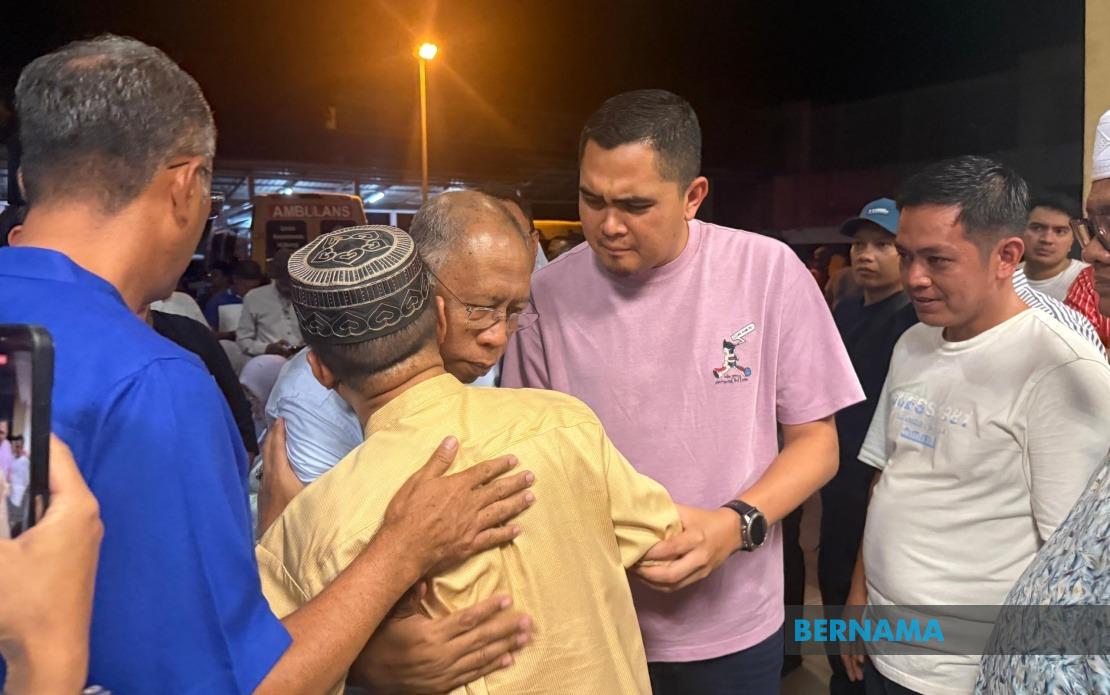
The depth of Mohd Radzi's standing within UMNO circles became evident through the high-profile visits extended to the grieving family. UMNO Youth chief Datuk Dr Muhammad Akmal Saleh personally came to pay respects, acknowledging the loss of someone who had cultivated meaningful relationships across the party structure. The gesture underscored how extensively Mohd Radzi had embedded himself within UMNO networks, moving beyond ceremonial positions to build genuine connections with fellow members at various levels of the organisation.
According to Rahimi Abd Samad, his son had last been seen on Thursday before departing for Pulau Pangkor. The father recalled that Mohd Radzi had mentioned joining a motorcycle convoy with friends from Maran, characterising the interaction as unremarkable in tone and substance. Nothing in their parting conversation suggested any premonition of the tragedy that would unfold just days later along a route the family likely knew well from previous travels between Maran and other districts in Pahang.
The family's outing reflected the kind of community engagement that had become typical for Mohd Radzi, who leveraged his position to strengthen bonds between UMNO Youth members through social and recreational activities. The motorcycle programme represented an opportunity to connect with younger party members in an informal setting, a practice consistent with his reputation for active involvement in youth-oriented initiatives. Such events serve as crucial platforms for party organisers to maintain engagement and solidarity among supporters, particularly in rural and semi-urban areas where organised gatherings carry significant social weight.
Beyond Datuk Dr Muhammad Akmal Saleh's condolence visit, other senior UMNO figures including UMNO Supreme Council member Datuk Seri Shahaniza Shamsuddin, who chairs the Maran UMNO division, and Kuantan UMNO division chief Datuk Seri Ab. Hamid Nazahar also paid their respects. Their collective presence acknowledged not only Mohd Radzi's formal positions within the party hierarchy but also his contributions to grassroots mobilisation in Pahang, a state where UMNO maintains significant organisational infrastructure and political influence.
Post-mortem examinations of all four victims were completed by 9 pm on the day of the incident, enabling authorities to release the bodies to the family for funeral rites. The remains were transported to Masjid Kampung Paya Luas in Temerloh for the ritual washing and shrouding ceremonies, with funeral prayers and burial subsequently conducted at Masjid As-Syakirin in Maran and at the Taman Sri Chendung Muslim cemetery. These rituals provided the community and party colleagues an opportunity to pay final respects and offer support to the bereaved family during the immediate aftermath of the tragedy.
The incident raised questions about road safety conditions along the Kuala Lumpur-Bentong route, where fallen trees pose hazards during adverse weather. The old road, connecting two district towns across Pahang's forested terrain, experiences periodic maintenance issues and environmental hazards that demand ongoing attention from local authorities. Such accidents, while individually devastating, highlight systemic vulnerabilities in highway management that authorities must address through improved monitoring and hazard mitigation.
Mohd Radzi's death represents a significant loss to UMNO's youth wing in Pahang, removing from the party an individual who had invested considerable time and effort into building internal cohesion and member engagement. His trajectory from grassroots volunteer to appointed treasurer illustrated the mechanisms through which UMNO identifies and nurtures leadership talent, a process that requires sustained commitment and relationship-building skills. The tributes from senior party figures underscored the value attributed to such groundwork within formal party structures.
For Malaysian readers observing this tragedy, the incident encapsulates the broader context of political life in Malaysia, where party involvement at local and state levels forms a significant component of civic participation. Mohd Radzi's decade-long engagement with UMNO Youth exemplified the time commitment expected of those seeking to advance within party hierarchies, a reality often invisible to observers focused primarily on higher-level political developments. His family's involvement in community activities alongside his political responsibilities reflected how personal and public roles intertwine for those embedded in party structures.
Another family member, Muhammad Rizz Haziq Mohd Radzi, sustained severe head injuries in the accident and remained hospitalised at HoSHAS receiving treatment at the time of reporting. His survival amidst the broader tragedy provided some measure of hope for the family, though the physical and psychological trauma from witnessing the deaths of his mother, brother, father, and uncle would require sustained support and recovery efforts. The incident highlighted how such accidents devastate entire family units, affecting not only immediate victims but also survivors who must navigate profound loss and permanent change in family composition.
The political community's response to Mohd Radzi's death extended beyond formal condolences to recognition of the void his passing created within party structures at state and divisional levels. UMNO's youth wing would need to address succession questions and maintain momentum in programmes and engagement activities that Mohd Radzi had helped coordinate. In Pahang's political landscape, where competition between different factional interests within broader party structures remains ever-present, the sudden departure of an established figure like Mohd Radzi carried implications extending beyond his immediate roles and responsibilities within designated party committees.

