Malaysia's social work profession has reached a defining moment with the tabling of the Social Work Profession Bill 2026 in Parliament, a development that the Malaysian Association of Social Workers (MASW) has hailed as transformative for thousands of practitioners across the country. The legislative move represents formal governmental recognition of a profession whose members have long operated without the statutory frameworks that protect and regulate their practice, setting the stage for comprehensive professionalisation of the sector.
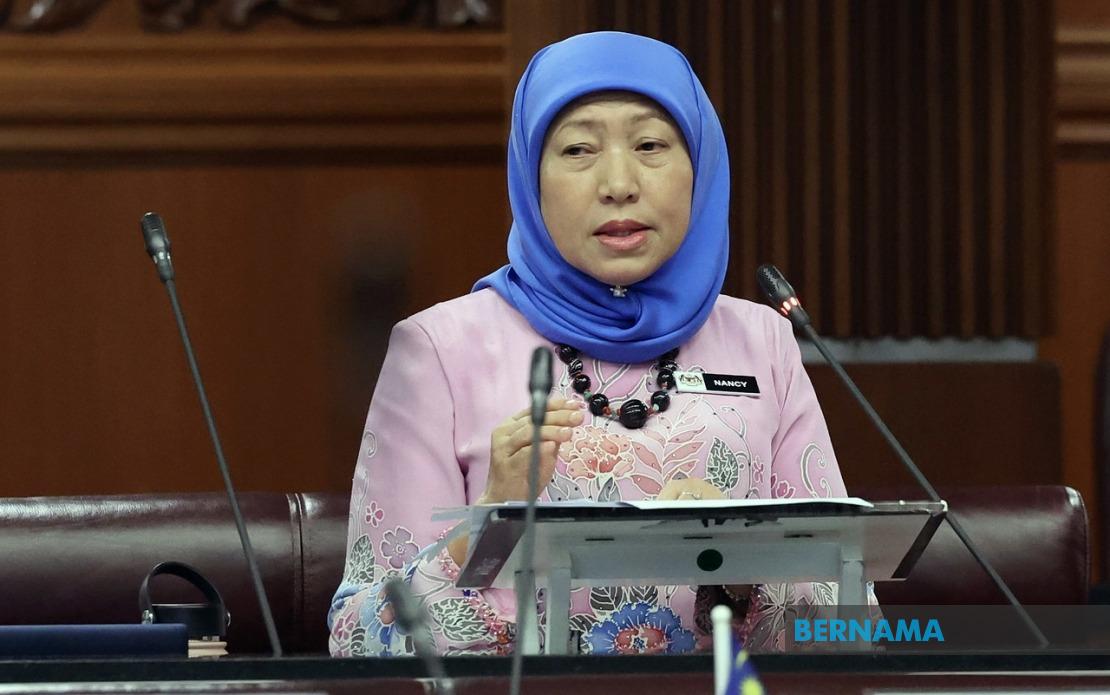
Women, Family and Community Development Minister Datuk Seri Nancy Shukri's ministry has been instrumental in shepherding the legislation through its parliamentary introduction, receiving particular recognition from MASW for sustained commitment to the initiative. This ministerial backing signals the government's acknowledgment that social work constitutes a vital pillar within Malaysia's broader social protection architecture, particularly as the nation grapples with evolving welfare challenges ranging from family dysfunction to vulnerable community cohorts.
The significance of this legislative milestone extends beyond symbolic recognition. For thousands of social workers employed across government agencies, non-governmental organisations, and community-based programmes, the bill promises formal legal status that acknowledges their professional competence and ethical standing. Currently, the profession lacks statutory regulation, meaning practitioners operate without the uniform standards, code of ethics, or professional oversight mechanisms that exist in other regulated professions. This fragmented landscape has historically hampered workforce development and quality assurance across the sector.
According to MASW president Dr Teoh Ai Hua, the legislation fundamentally reinforces the principle that Malaysian citizens' protection, wellbeing and dignity must be safeguarded by a workforce that is both competent and ethically grounded. The framing of social work as a regulated profession rather than a collection of individual practitioners reflects international best practice in how societies structure their welfare delivery systems. By establishing clear competency standards and professional accountability mechanisms, the bill aims to elevate service quality and public confidence in social interventions addressing family violence, child welfare, mental health, and other critical domains.
The journey toward this legislative framework has been remarkably protracted. Work on the proposed bill commenced in 2010, involving an extensive coalition of stakeholders including MASW leadership, social work academics, and practitioners spanning both government and non-government sectors. This sixteen-year development process, facilitated through Technical Committees and Special Project Teams, underscores the complexity of crafting legislation that balances professional interests with public protection imperatives and reflects the diverse contexts in which Malaysian social workers operate. The prolonged timeline also reflects bureaucratic processes inherent in legislative development, particularly when multiple stakeholders and government agencies must reach consensus.
International alignment constitutes another critical dimension of this legislation. MASW has emphasised that the bill positions Malaysia in accordance with globally recognised standards, specifically referencing the Ha Noi Declaration on Strengthening Social Work towards a Cohesive and Responsive ASEAN Community adopted in 2020, as well as the Global Standards for Social Work Education and Training developed jointly by the International Association of Schools of Social Work and the International Federation of Social Workers. This international anchoring matters considerably for Malaysia's regional standing and enables meaningful professional mobility and knowledge exchange within Southeast Asia, particularly as ASEAN member states increasingly coordinate approaches to transnational social challenges.
MAW vice-president Dr Mohd Iqbal Haqim Mohd Nor characterised the bill's parliamentary tabling as transforming extended advocacy efforts into tangible institutional change. For a profession accustomed to operating in the shadows of public consciousness, legislative recognition signals a fundamental reorientation of how Malaysian society values and structures social care delivery. The emotional resonance of this moment should not be underestimated—practitioners who have long advocated for professional parity with other regulated sectors now face concrete prospects of statutory protection and elevated standing.
The legislative pathway ahead, however, requires careful navigation. MASW honorary secretary Amy Bala has specifically urged Members of Parliament to engage constructively with the bill's provisions, acknowledging that parliamentary deliberations may yet strengthen its mechanisms. This measured tone reflects recognition that legislation, however long-awaited, requires rigorous scrutiny to ensure its provisions adequately address contemporary challenges while remaining administratively feasible. Bala's emphasis on stakeholder engagement and resource allocation hints at concerns that legislative recognition alone proves insufficient without corresponding investment in implementation infrastructure.
Implementation will emerge as the true test of the legislation's impact. Creating a functional regulatory framework requires establishing registration bodies, developing and maintaining professional standards, managing complaints and disciplinary processes, and ensuring adequate resources for oversight functions. Malaysian experience with other regulated professions suggests that the transition from legislative passage to operational maturity can span several years, requiring sustained political commitment and adequate budgetary allocation.
For Malaysian citizens accessing social services, the bill's passage promises enhanced assurance regarding practitioner qualifications and ethical conduct. Vulnerable populations—including children in crisis, domestic violence survivors, elderly persons requiring community support, and individuals experiencing mental health difficulties—stand to benefit from a workforce operating under clearly defined professional standards and subject to regulatory oversight. The strengthening of Malaysia's social protection system through professional regulation represents an important step toward more equitable, effective service delivery across diverse communities.
The legislation also carries implications for social work education and training within Malaysian institutions. Formal profession recognition typically necessitates standardised curriculum frameworks, accreditation mechanisms for educational programmes, and clearer pathways for professional development. Universities and training institutions will likely face requirements to align their offerings with statutory competency frameworks, potentially enhancing the relevance and quality of social work graduates entering the field.
As Parliament moves toward deliberation and eventual passage of the Social Work Profession Bill 2026, the outcome will reverberate across Malaysia's social service landscape for decades. The bill represents not merely legislative recognition but rather a foundational restructuring of how the nation approaches professional social care delivery, positioning the sector for modernisation, quality enhancement, and expanded capacity to address Malaysia's evolving social protection needs.

