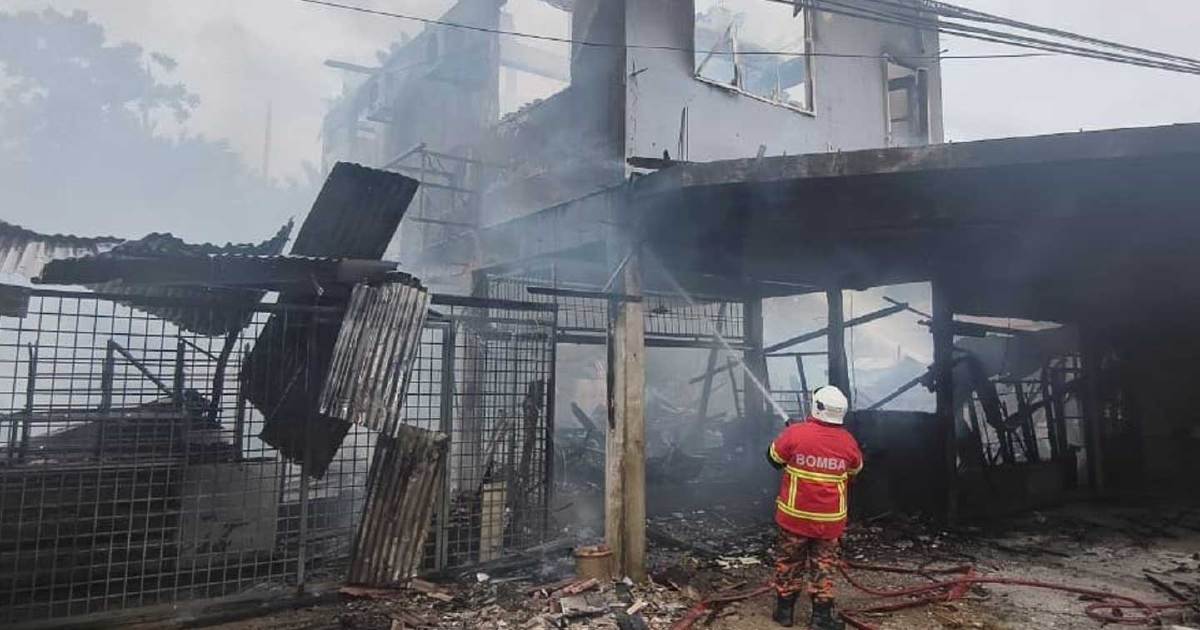
A 36-year-old man has been ordered to remain in police custody for five days following his arrest on suspicion of deliberately torching his mother's residence in Jitra, Kedah. The detention order was issued as investigators gather evidence and interview the suspect regarding the incident at Kampung Sungai Baru.
The remand decision reflects the seriousness with which authorities are treating the allegations. In Malaysia, deliberately setting fire to property—particularly someone's primary residence—constitutes a grave criminal offence that can result in substantial prison sentences. The five-day remand period allows police sufficient time to conduct further interviews, gather witness statements, and pursue any additional leads that may emerge during the investigation.
Family-related property crimes involving arson present particular challenges for law enforcement. Such incidents often involve complex personal dynamics and emotional undercurrents that require careful investigative work to establish the full circumstances. Authorities must determine not only whether the fire was deliberately set, but also establish clear motive and obtain sufficient corroborating evidence to support charges that would withstand judicial scrutiny.
Cases of this nature highlight a troubling dimension of domestic tension that occasionally escalates into criminal acts within household settings. Disputes between family members can spiral in ways that threaten not only individual safety but also broader community security, particularly in residential areas where fires can spread to neighbouring properties. The incident in Kampung Sungai Baru underscores why law enforcement must respond swiftly and thoroughly to such allegations.
The Jitra district, located in northern Kedah, is a region where such incidents, whilst uncommon, do occur within the fabric of community life. Local authorities have been strengthening their response protocols to property-related crimes, ensuring that cases receive appropriate investigative attention and that evidence is properly preserved for potential prosecution.
During the remand period, police will focus on establishing the sequence of events leading to the fire, examining any available physical evidence from the scene, and determining what circumstances preceded the alleged arson. Investigators will also seek to understand whether there had been prior conflicts or concerning behaviour that might have foreshadowed such a dramatic incident, as well as establishing the financial and personal relationships between the suspect and his mother.
The Malaysian legal framework provides explicit protections for witnesses and victims in cases involving arson and property damage. Should the investigation proceed to charges, the crown would need to demonstrate beyond reasonable doubt that the accused deliberately set the fire with knowledge that it would destroy or damage the property. Circumstantial evidence, witness testimony, and forensic findings from the fire scene often become critical components of such prosecutions.
For readers in Malaysia and Southeast Asia more broadly, such cases serve as a reminder that domestic conflicts can occasionally take dangerous turns. Malaysian police and fire departments have long advocated for community awareness about fire safety and the importance of reporting suspicious circumstances that might prevent tragedies. The incident also highlights how quickly emergency response teams must act when fires threaten residential areas.
The five-day remand period is significant because it represents the court-mandated window during which authorities must determine whether they have sufficient grounds to charge the suspect. Should police require additional investigative time beyond five days, they would need to apply to the court for extended remand, a request that must be justified through evidence of ongoing investigative necessity. This structure ensures that detainees are not held indefinitely without charge whilst balancing law enforcement's operational requirements.
Meanwhile, the impact on the mother whose home was destroyed cannot be overlooked. Beyond the material loss of property and possessions, such incidents create profound emotional and psychological consequences for victims. Community support mechanisms and victim assistance programmes often play crucial roles in helping individuals and families navigate recovery following such traumatic events.
The investigation's progression will likely be monitored closely by local authorities given the family-related nature of the allegations and the severity of arson charges. Should the investigation yield sufficient evidence, the matter would move into the prosecutorial phase, where the state would present its case before the courts. Legal representatives may also become involved to ensure that the suspect's rights are protected throughout the process, as Malaysian law requires fair treatment for all accused persons regardless of the alleged crime's severity.
Community members in affected areas are often encouraged to cooperate with police investigations by providing information about events or circumstances they may have observed. Such cooperation proves invaluable in building comprehensive cases that stand up to judicial examination and ultimately serve the interests of justice.

