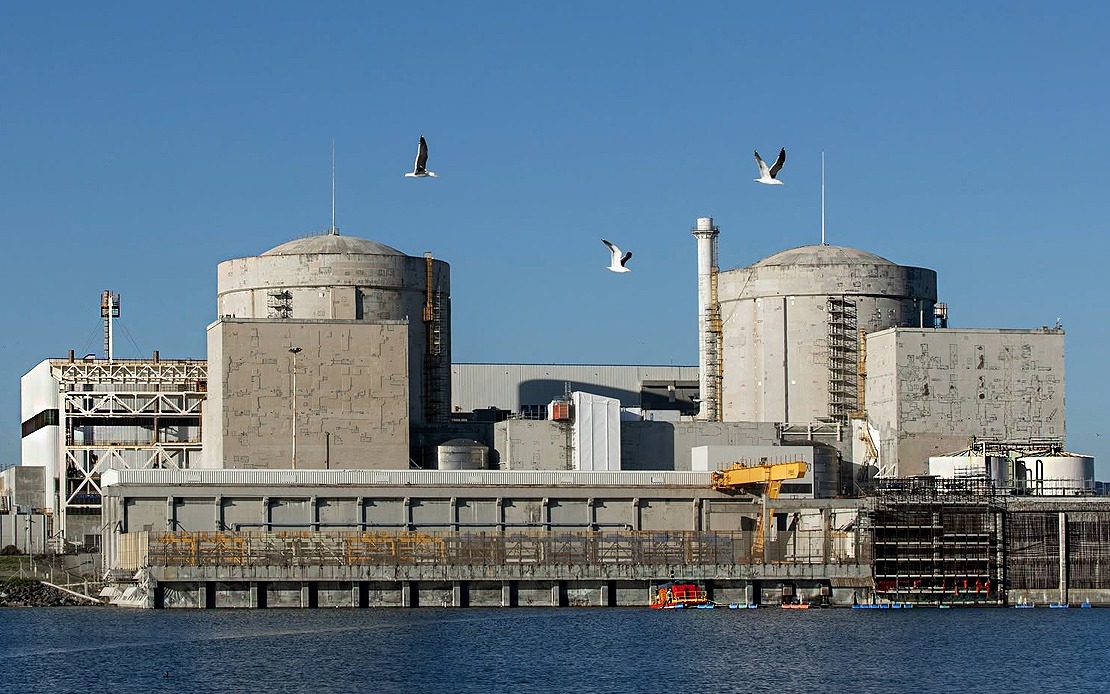
South Africa's Energy Minister Kgosientsho Ramokgopa disclosed on Sunday that multiple workers at the Koeberg Nuclear Power Station experienced radiation exposure during routine maintenance operations spanning three separate incidents across late June and early July. The incidents occurred on June 30 and July 2 and 7 at the facility situated approximately 30 kilometres north of Cape Town. While acknowledging the exposures, Ramokgopa emphasized that authorities had contained each incident without permitting any radioactive material to escape into the surrounding environment, and stressed that communities in the vicinity faced no elevated health risks from the episodes.
The fundamental cause underlying all three incidents traced back to temporary electrical outages that disabled the plant's critical ventilation systems, according to the energy minister's account. These ventilation mechanisms typically function to maintain safe atmospheric conditions within the facility and prevent the accumulation of radioactive particles. The disruption in power supply created conditions where workers performing scheduled maintenance tasks encountered unexpected radiation exposure. Ramokgopa sought to contextualize the radiation doses by comparing them to exposures that individuals routinely experience through standard medical procedures, specifically noting that the absorbed doses remained lower than what a person receives from a routine dental X-ray examination.
Velaphi Ntuli, who oversees South Africa's nuclear safety regulatory division, provided a technical assessment confirming that none of the three incidents satisfied the formal classification criteria for reportable nuclear safety events within the country's regulatory framework. This classification carries significance, as it suggests the exposures fell within acceptable operational parameters established by nuclear regulators. However, the disclosure itself has drawn attention to safety protocols at the aging facility, which has operated since the 1980s and remains one of Africa's most critical energy assets.
The Koeberg facility holds substantial strategic importance within South Africa's energy infrastructure amid an ongoing electricity crisis that has crippled economic activity across the nation. The country has endured repeated rolling blackouts and severe power shortages in recent years, forcing businesses to implement emergency measures and hampering industrial output. Against this backdrop, the government has positioned nuclear energy as a cornerstone of its long-term power generation strategy, viewing atomic power as essential to stabilizing the national grid while transitioning away from fossil fuel dependence.
South Africa's current electricity generation capacity remains fundamentally reliant on coal-fired power stations, many of which suffer from aging infrastructure and maintenance backlogs. The government has committed to expanding nuclear generating capacity by 5.2 gigawatts by 2039, representing a significant escalation of atomic energy's role in the country's electricity portfolio. This expansion plan has encountered resistance from environmental and health advocacy groups concerned about safety, waste management, and long-term environmental consequences. The recent radiation exposure incidents at Koeberg will inevitably amplify public scrutiny of these expansion proposals and raise questions about whether existing facilities maintain adequate operational standards.
The radiation incidents also reflect broader challenges facing South Africa's nuclear sector, including aging infrastructure, budget constraints, and staffing difficulties that have plagued the state-owned utility Eskom. The temporary power outages that triggered the ventilation system failures underscore how systemwide electricity instability creates cascading risks across critical infrastructure. When the national grid itself becomes unreliable, even nuclear facilities designed with multiple safety redundancies face operational difficulties that could potentially compromise worker safety during routine maintenance activities.
For Malaysia and other Southeast Asian nations, the Koeberg incidents offer instructive lessons regarding nuclear safety oversight and the importance of robust regulatory frameworks. As regional governments consider nuclear energy as part of their decarbonization strategies, the South African experience demonstrates that theoretical safety standards require enforcement through properly resourced monitoring agencies and well-maintained infrastructure. The revelation that temporary power outages could disable ventilation systems highlights the necessity of designing facilities with genuine independence from vulnerable external power supplies.
The government's assertion that the incidents posed no public danger reflects established nuclear safety protocols, wherein radiation exposure within controlled industrial settings differs fundamentally from environmental contamination or widespread public exposure. Nevertheless, worker safety remains a distinct concern that demands rigorous protection standards. The comparison to dental X-ray doses, while technically accurate as a relative measurement, may understate the significance of occupational exposure for plant workers who face cumulative radiation risks across their careers.
South Africa's commitment to nuclear expansion despite current operational challenges reflects the government's conviction that atomic power remains indispensable for achieving its decarbonization objectives and addressing electricity scarcity. The country aims to achieve a predominantly fossil-fuel-free electricity system by 2050, requiring substantial investment in both renewable energy infrastructure and expanded nuclear capacity. However, realizing these ambitions necessitates demonstrated competence in operating existing facilities safely and reliably, making the resolution of ventilation system vulnerabilities at Koeberg particularly important for sustaining public confidence in nuclear technology.

