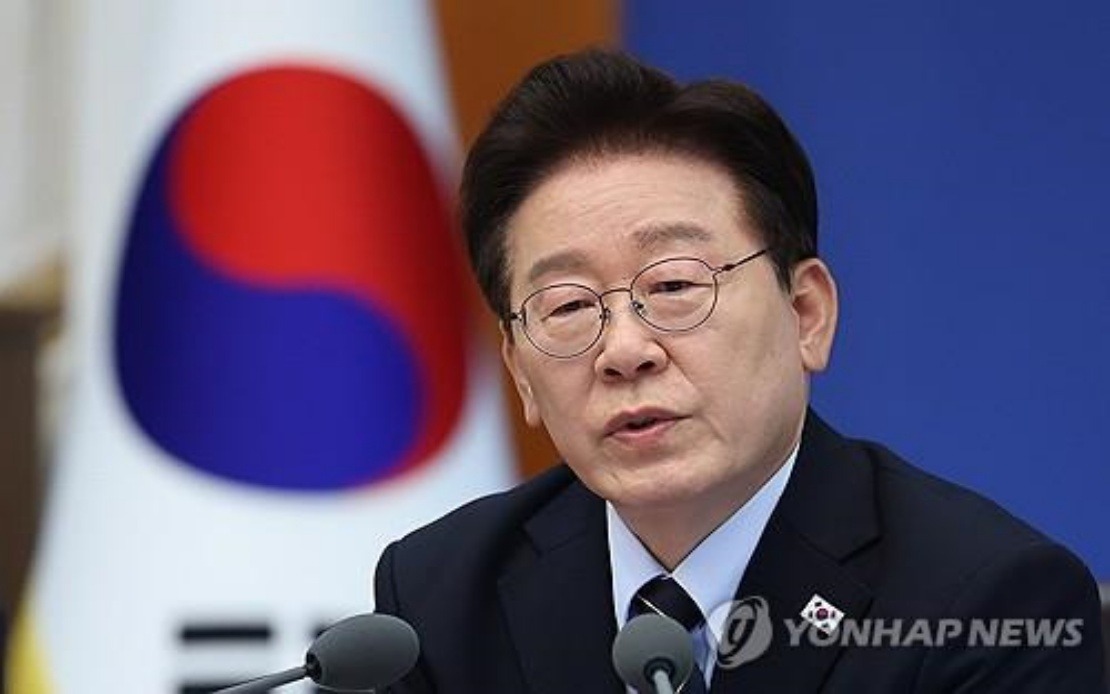
South Korea is embarking on a significant restructuring of its defence apparatus, with President Lee Jae Myung directing officials to rapidly implement reforms that prioritise advanced technology and selective military service. The instructions, delivered during a meeting with senior advisers in Seoul, signal a fundamental rethinking of how the nation approaches national security in an era of demographic decline and evolving military threats.
The centrepiece of this strategic shift is the concept of a "smart" military—one that relies more heavily on cutting-edge equipment and technological sophistication than on the sheer volume of personnel. This approach reflects a practical acknowledgment of South Korea's well-documented demographic crisis. With one of the world's lowest birth rates, the nation faces an inevitable contraction in its pool of conscription-eligible young men, making the current system of mandatory military service for all able-bodied males increasingly untenable.
Under existing arrangements, South Korean men must complete at least eighteen months of compulsory military service, with exemptions or alternative service available in limited circumstances. This rigid framework has served as a cornerstone of the country's defence posture for decades, but its sustainability is now in question. By transitioning toward selective conscription coupled with technological innovation, policymakers aim to maintain military readiness while accommodating demographic realities that no amount of policy adjustment can reverse.
A critical dimension of the proposed reforms addresses a persistent social concern: the perception among young South Koreans that military service represents lost time and foregone opportunity. Lee explicitly framed defence modernisation as inseparable from improving the life prospects of those who serve, directing the government to design systems ensuring that military experience translates into meaningful employment prospects, educational advancement, and long-term financial security. This reframing represents an important shift in how military service is conceptualised—not merely as a civic obligation but as an investment in individual human capital.
The emphasis on preventing military service from becoming a perceived waste of life carries significant implications for South Korean society. Youth unemployment and underemployment remain concerns, and linking military training to tangible career pathways could help address both national defence needs and generational economic anxieties simultaneously. By ensuring that conscripts acquire skills and qualifications transferable to civilian sectors, the government hopes to reduce resistance to military service and improve retention of talent within defence institutions.
For Southeast Asian observers, South Korea's defence transformation offers instructive lessons about adapting security strategies to demographic constraints. Several regional nations face similar population challenges, though perhaps not yet at Korean intensity. Malaysia, for instance, operates an all-volunteer professional military, but questions about force structure and technological modernisation remain relevant as regional militaries compete for resources and strategic relevance in an increasingly complex security environment.
The technological dimension of Seoul's strategy reflects broader global military trends toward automation, artificial intelligence, and unmanned systems. By reducing dependence on mass conscription while simultaneously enhancing technological capabilities, South Korea positions itself to maintain deterrent credibility against North Korea despite numerical disadvantages. This approach also signals confidence in South Korea's technological industries and research capabilities—defence modernisation becomes an opportunity to leverage domestic innovation sectors.
Parallel to defence concerns, Lee addressed another pressing matter: South Korea's acute housing shortage, particularly in the Seoul metropolitan region. The government announced plans to add more than 230,000 homes by accelerating development on public land, converting some protected greenbelt areas, and supporting private construction initiatives. This housing agenda, while distinct from defence policy, reflects interconnected anxieties about quality of life that influence public attitudes toward military service and national priorities.
Lee attributed the current housing supply crisis partly to regulatory tightening since 2022, noting that permitting restrictions and construction slowdowns had created an acute shortage. He outlined measures to expedite approval procedures and secure additional land through legislative changes if necessary. The housing crisis, combined with other economic pressures, has contributed to social discontent and demographic decline—young Koreans citing housing unaffordability as a factor in decisions to delay marriage and childbearing.
The simultaneous pursuit of defence reforms and housing expansion reflects integrated policymaking addressing interconnected challenges. Governments unable to provide security, opportunity, and affordable living arrangements struggle to retain skilled personnel or maintain public support for military commitments. South Korea's dual focus on modernising defence while tackling housing demonstrates recognition that national security depends partly on addressing underlying social grievances and economic anxieties.
Regional military establishments will watch how South Korea implements these reforms. The transition from conscription-heavy to technology-intensive defence structures requires substantial investment, sustained technological advantage, and institutional flexibility. Success could validate similar approaches elsewhere; failure might demonstrate the enduring necessity of conscription-based models despite demographic headwinds.
The strategic environment facing South Korea—with a heavily armed neighbour maintaining roughly 1.2 million active military personnel—complicates defence modernisation calculus. Seoul cannot abandon numerical strength entirely but must achieve qualitative superiority through technology. Selective conscription implies that only certain individuals, perhaps those with particular skills or educational backgrounds, would serve, while others pursue alternative arrangements or civilian roles supporting defence capabilities.
These reforms ultimately reflect how even wealthy, technologically advanced democracies struggle with the consequences of demographic decline and changing social expectations around military service. South Korea's willingness to fundamentally restructure its defence model suggests that policymakers recognise the impossibility of maintaining twentieth-century military structures in twenty-first-century demographic realities. How successfully this transition proceeds will reverberate throughout Northeast Asia and potentially influence defence planning across the region.

