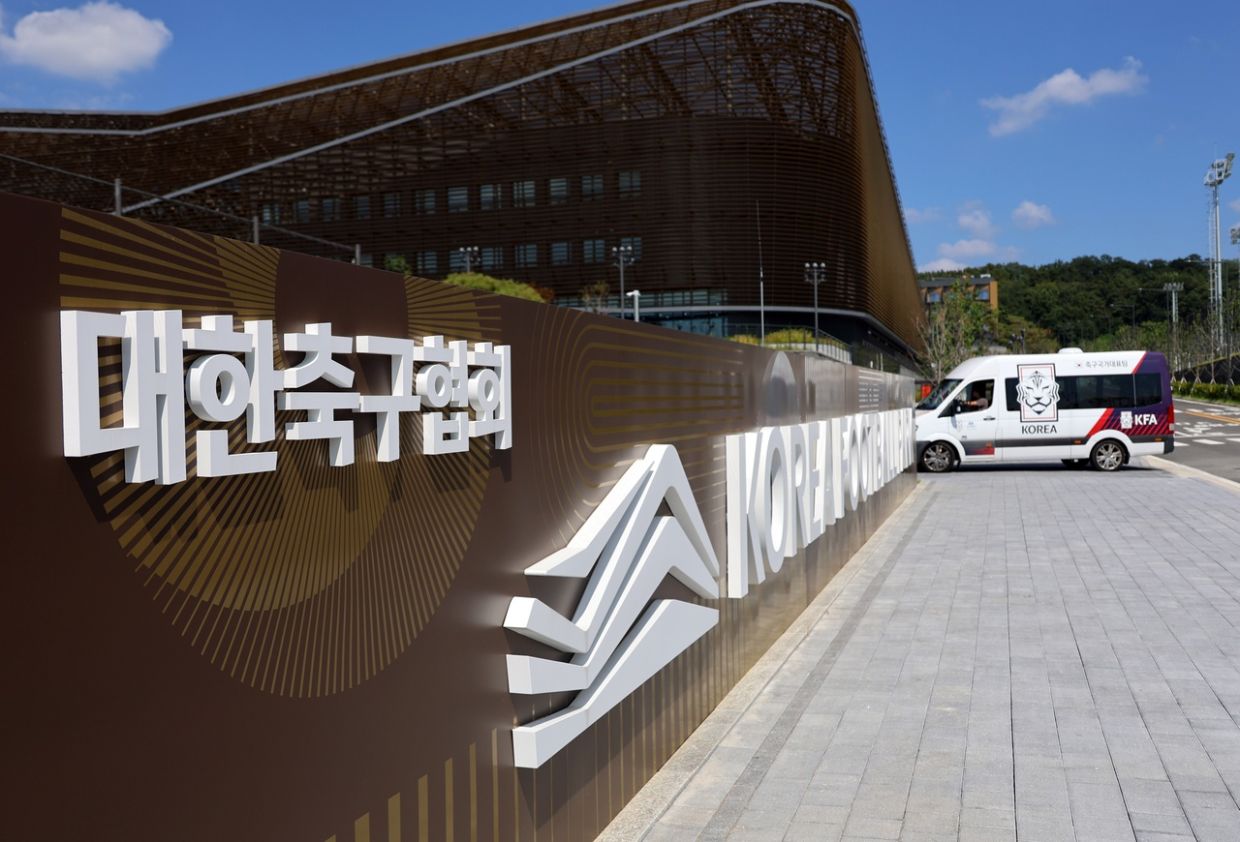
The Korea Football Association's widening bribery scandal has crossed international borders, with Japan's football authorities now investigating their own officials implicated in a scheme that allegedly involved entertainment payments to foreign match officials overseeing South Korean national team matches over a decade ago. The Japan Football Association confirmed it is examining four Japanese referees identified as potential recipients of such entertainment, marking a significant escalation in what began as a domestic South Korean controversy. The disclosure underscores how governance lapses at one national federation can rapidly compromise the integrity standards of neighbouring football communities throughout Asia.
The controversy traces its roots to a 2016 internal audit conducted by South Korea's Ministry of Culture, Sports and Tourism that documented suspicious expenditures by the KFA. The findings remained dormant until early August when the South Korean broadcaster JTBC resurfaced the audit findings, triggering immediate public outcry and institutional scrutiny. According to the audit documentation, the KFA channelled corporate credit card payments toward entertainment at massage parlours on eight separate occasions, providing hospitality to approximately ten foreign referees and match commissioners who officiated seven matches played in South Korea during a thirteen-month window spanning March 2011 through March 2012. The matches comprised three World Cup and Olympic qualification fixtures alongside four friendly encounters, involving various international officials.
The nature and scope of these payments raises uncomfortable questions about competitive integrity within regional football. During the matches in question, the South Korean national team compiled an impressive 5-2-0 record, immediately prompting speculation among analysts and media observers that the outcomes might have been compromised by preferential treatment offered to match officials. South Korean football authorities have categorically denied such allegations, maintaining that performance reflected legitimate competitive merit rather than any improper influence. Nonetheless, the perception itself—regardless of factual basis—damages public confidence in the sporting competition and invites international scrutiny of the KFA's operational standards and ethical frameworks.
The Japan Football Association's decision to investigate represents a calculated response to mounting evidence of Japan's involvement. Kyodo News reported that the JFA intends to complete its inquiry and publicly disclose findings once the investigative process concludes. Japanese media outlets have already identified two referees allegedly central to the controversy, with particular focus on one official who currently serves as a JFA referee manager responsible for overseeing J-League officials and another who chaired the four-member Japanese refereeing crew for South Korea's 2012 World Cup qualifier victory against Kuwait. The audit specifically documented entertainment expenses associated with two referees during that Kuwait match. Japanese football commentators have offered important contextual nuance, cautioning that merely officiating a match does not confirm that individual referees personally received entertainment benefits, acknowledging the importance of due process in establishing personal liability.
The scandal's timing compounds institutional pressure already confronting the KFA on multiple fronts. The association issued a formal public apology on Saturday, recognising the reputational damage and disappointment caused by accumulating controversies. The statement acknowledged not condoning past conduct while pledging comprehensive institutional reforms intended to restore transparency and rebuild public trust. This apology emerged amid a parliamentary hearing examining KFA governance practices and following a police raid on the association's offices the previous week tied to a separate controversy surrounding the 2024 recruitment of former national team coach Hong Myung-bo. The convergence of multiple institutional crises demonstrates systemic governance challenges extending beyond isolated incidents.
International regulatory consequences remain uncertain despite growing international attention. International Business Times UK raised the possibility of FIFA sanctions and structural governance reform, yet observers familiar with international football disciplinary frameworks suggest formal punishment remains unlikely. FIFA's ethics code typically restricts statutes of limitation to between five and ten years for most infractions, placing this conduct substantially outside the applicable enforcement window. Moreover, the alleged conduct probably falls outside the narrower, unlimited category FIFA reserves for sexual abuse or exploitation allegations. Compounding enforcement difficulties, most of the referees allegedly implicated have since retired from active service, further complicating any disciplinary mechanism.
A prior South Korean criminal investigation examined the matter and was subsequently closed due to insufficient evidence establishing definitive wrongdoing. This legal outcome reflects the evidentiary challenges inherent in prosecuting hospitality-based influence allegations where establishing direct causation between entertainment provision and specific match decisions remains technically demanding. The difficulty in proving concrete causal relationships between peripheral benefits and on-field decisions creates investigative obstacles applicable across jurisdictions and regulatory frameworks. Such evidentiary limitations are not unique to Korean contexts but reflect broader challenges confronting sports governance authorities globally when addressing systemic integrity questions.
The scandal carries particular significance for Southeast Asian and broader Asian football communities regarding governance standards and institutional accountability mechanisms. The incident demonstrates how permissive compliance environments at one national federation can generate cross-border integrity concerns affecting neighbouring countries' officials and competitive environments. Regional football bodies must confront uncomfortable questions about establishing harmonised ethical standards and ensuring transparent accountability mechanisms that transcend national boundaries. The KFA's institutional failures provide a cautionary case study illustrating how governance lapses, however remote historically, can rapidly cascade across international football networks.
Moving forward, the scandal highlights the importance of strengthening institutional transparency and accountability frameworks within Asian football governance structures. National federations must implement robust internal audit processes, documented decision-making procedures, and clear ethical guidelines governing official entertainment and hospitality practices. The cross-border investigative cooperation between Japanese and South Korean authorities offers positive precedent for regional coordination, even as it reveals the scope of governance vulnerabilities. Building regional consensus around integrity standards and establishing clear consequences for violations represents essential work for the Confederation of Asian Football and its member associations seeking to elevate governance standards across the continent.

