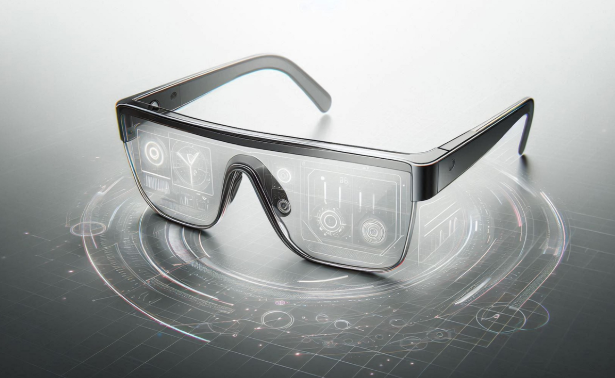
South Korean authorities have initiated groundbreaking legal proceedings against a man in his 40s for deploying artificial intelligence-enabled glasses during a professional certification examination, representing the nation's inaugural criminal case centred on this emerging technology. The Gwangju District Prosecutors' Office formally indicted the suspect last month for breaching the National Technical Qualification Act, with the case illuminating how rapidly technological innovation is outpacing existing educational safeguards across East Asia.
The defendant's capture during a fire protection facilities engineer certification examination in Gwangju last May occurred when a vigilant exam proctor spotted suspicious light reflections bouncing off the device's lenses—a tell-tale sign that prompted immediate scrutiny. Upon investigation, the man acknowledged his misconduct and explained that he had engineered a bespoke artificial intelligence application designed to transmit answers directly through the glasses, ostensibly to evaluate whether the system functioned correctly during actual testing conditions. This rationale, whether genuine or merely a convenient explanation, underscores the sophisticated nature of contemporary cheating methods that extend far beyond traditional methods of academic dishonesty.
The incident in Gwangju was not an isolated occurrence but rather part of a broader pattern emerging across South Korea's examination ecosystem. Two additional men aged in their 20s were similarly detected employing identical tactics at national technical qualification examination venues in Seoul and Mokpo during the same month, indicating that awareness and accessibility of such technology had already spread among test-takers seeking unfair advantage. The proliferation of these devices suggests a growing underground market for examination circumvention tools targeting high-stakes professional certifications that determine career trajectories and earning potential.
Beyond technical qualification exams, AI-powered glasses have infiltrated other major standardised testing frameworks. Multiple instances of cheating involving these devices appeared in TOEIC examinations, with two individuals apprehended in May and a third in June. The TOEIC test holds particular significance throughout Asia as a gateway credential for corporate employment, university admissions, and international mobility, making it an attractive target for those willing to risk prosecution. This pattern of misuse across multiple examination types demonstrates that the problem transcends any single testing domain and reflects systemic vulnerability in how certification bodies authenticate test-taker identity and prevent unauthorised assistance.
The escalating threat posed by this technology galvanised South Korea's examination infrastructure into urgent action. On July 10, senior officials representing the agencies administering major national qualification examinations convened an emergency meeting to formulate defensive strategies. These discussions yielded consideration of several substantive reforms, including the explicit prohibition of AI glasses and related wearable technologies in examination halls—a preventative measure that existing rule sets apparently did not adequately address.
The regulatory environment surrounding examination security in South Korea, like most countries, was constructed during an era when such technological sophistication seemed implausible. Traditional prohibitions typically focused on mobile phones, smartwatches, and other commonly recognised devices, leaving a regulatory gap where emerging technologies could operate. The urgency of the July 10 meeting reflects official recognition that maintaining examination integrity now requires continuous updating of rules to match technological capabilities, a challenge that regulatory bodies across Asia face as innovation accelerates.
Diskussion among South Korean examination regulators also encompassed substantially increased penalties for cheating detection. Current sanctions, apparently deemed insufficient to deter sophisticated attempts, may be elevated to create more meaningful consequences. This reflects a broader understanding that technological solutions alone—such as metal detectors or optical scanning equipment—cannot fully prevent all cheating attempts, and that deterrent effects through heightened legal consequences may prove necessary to maintain examination credibility.
For Malaysia and other Southeast Asian nations observing South Korea's regulatory response, the case study carries significant implications. Countries administering national qualification systems, professional certifications, and major examinations like IELTS and TOEIC should anticipate that AI-enabled cheating devices will eventually appear domestically if they have not already. The sophistication demonstrated in South Korea's cases—involving custom-developed artificial intelligence applications paired with optical hardware—suggests that determined and technically proficient individuals can engineer solutions tailored to specific examination environments.
The underlying challenge confronting examination authorities extends beyond mere technological detection. As artificial intelligence becomes more accessible and user-friendly, the barrier to entry for developing cheating applications diminishes significantly. A technically competent individual with modest resources can potentially create bespoke solutions, making it impossible for regulators to anticipate every possible vector of academic dishonesty. This dynamic fundamentally reshapes how examination bodies must conceptualise security, shifting emphasis from preventing specific known methods toward creating examination environments and protocols that minimise opportunities for technological assistance regardless of method.
South Korea's willingness to prosecute and publicise these cases may itself serve a deterrent function, warning potential cheaters of serious legal consequences. However, the prosecution strategy alone cannot substitute for comprehensive prevention measures encompassing updated policies, enhanced physical security protocols during examinations, and potentially even technological countermeasures such as signal jamming in test facilities—though such measures raise their own practical and ethical considerations.
The broader societal context underlying examination cheating in South Korea, with its intensely competitive education system and high stakes attached to professional credentials, creates powerful incentives for individuals to seek advantages through any available means. Until the underlying pressures driving academic dishonesty are addressed through systemic educational reform—a far more challenging proposition than regulatory updates—examination authorities will perpetually encounter new technological methods requiring responsive oversight and enforcement.

