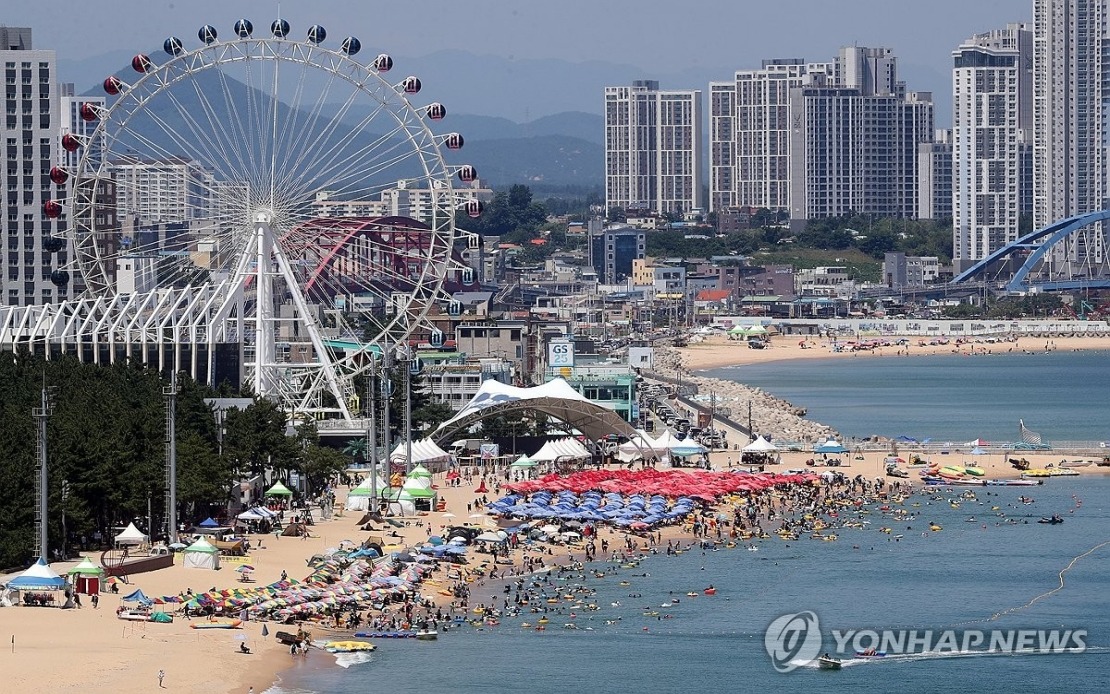
South Korea is in the grip of an exceptional heat emergency, with the southeastern city of Yangsan recording a temperature of 42.5 degrees Celsius on Sunday—the highest ever documented on the Korean Peninsula since systematic weather observations began in 1904. The Korea Meteorological Administration (KMA) confirmed that temperatures climbed rapidly throughout the afternoon, reaching 42 degrees at 1:16 p.m. local time before peaking at 42.5 degrees just ten minutes later. The KMA's assessment is based on data from 97 long-term observation stations positioned strategically across the country, ensuring the record is both authentic and nationally significant.
The heat intensification in Yangsan, located approximately 310 kilometres southeast of Seoul, shows an alarming pattern of escalation. What makes this situation particularly concerning for meteorologists is that the timing of when temperatures exceed the 40-degree threshold has been shifting progressively earlier each successive day. This accumulation of heat suggests that conditions are worsening rather than stabilizing, prompting KMA officials to warn that temperatures could potentially breach the 43-degree mark in coming days. For context, Sunday marked the fifth consecutive day that Yangsan experienced temperatures surpassing 40 degrees Celsius, underscoring the relentless nature of the current weather system affecting the region.
The extreme conditions are not isolated to Yangsan alone. The city of Gyeongju, situated roughly 240 kilometres southeast of Seoul, also experienced unprecedented heat, reaching 40.2 degrees Celsius by 1:55 p.m. This represents the first occasion this year that Gyeongju's mercury has climbed above the 40-degree barrier. More significantly, this marks the highest temperature the city has recorded in eight years, surpassing the 39.8 degrees Celsius registered in 2018. Such patterns indicate that the current heat wave is exceptional not merely by historical standards, but by recent climatic trends as well.
The severity of the situation prompted an immediate and coordinated governmental response. South Korea's authorities activated a "Level 2" emergency operation of the disaster response headquarters starting at 1 p.m., signalling the gravity with which officials are treating the crisis. Prime Minister Han Seong-sook issued direct emergency orders to all government ministries and provincial administrative bodies, demanding enhanced safety protocols and vigilance. The directive specifically focuses on vulnerable populations—the elderly, children, and individuals with pre-existing health conditions—who face heightened risk from prolonged exposure to extreme temperatures. Additionally, the government has prioritized maintaining reliable supplies of electricity and clean water, recognizing that utility systems often face strain during heat emergencies when demand for cooling and hydration surges dramatically.
Public health authorities have implemented a broader communication strategy to manage the crisis. Citizens have been explicitly advised to minimize outdoor activities and to adhere strictly to established safety guidelines. In a country where many workplaces remain operational during summer months, such guidance requires careful balancing between economic continuity and human welfare. The government's intervention reflects accumulated experience from previous heat-related incidents and an acknowledgement that passive adaptation is insufficient when temperatures reach such extreme levels.
The implications of this heat wave extend beyond South Korea's immediate borders. Southeast Asia and the broader region have become increasingly susceptible to similar extreme weather events, particularly as global temperatures continue their upward trajectory. Malaysia, with its tropical climate and significant urban populations, may face comparable challenges in coming years. The South Korean example demonstrates how even developed nations with sophisticated infrastructure and early warning systems struggle to cope with unprecedented thermal extremes. The economic costs associated with emergency response, healthcare strain from heat-related illnesses, and potential disruptions to essential services offer sobering lessons for regional planning authorities.
Climate scientists attribute such record-breaking events to larger atmospheric patterns intensified by global warming. The persistence of high-pressure systems over East Asia, combined with weakening jet streams that traditionally provide relief, creates conditions where heat becomes effectively trapped over populated regions. For Malaysia and ASEAN nations, understanding these mechanisms is crucial for long-term adaptation planning. The peninsula and Southeast Asia's high humidity, while different from South Korea's conditions, creates its own set of challenges when combined with elevated temperatures, potentially making heat index values dangerously high even at slightly lower absolute temperatures.
The timing of this emergency is particularly significant given that August traditionally marks the latter part of summer in the Northern Hemisphere, when such temperatures might be expected to begin moderating. Instead, the persistence and intensification of heat in South Korea suggests that the seasonal cycle itself may be shifting. This could have ramifications for agricultural productivity, water availability, and infrastructure durability across the region. For Malaysian policymakers and urban planners, the South Korean situation underscores the necessity of investing in heat-resilient infrastructure, from improved building insulation standards to expanded green spaces that provide cooling effects.
The response from Seoul's administration also highlights the importance of real-time data dissemination and transparent communication during environmental emergencies. By publicly acknowledging the record-breaking nature of the heat and activating emergency protocols swiftly, the government establishes credibility and encourages public compliance with safety recommendations. This approach contrasts with scenarios where authorities minimize crisis severity, potentially leading to complacency among vulnerable populations. Southeast Asian governments may benefit from adopting similar transparency practices, ensuring that heat warnings are issued promptly and comprehensively understood by all segments of society.
Looking forward, the South Korean situation serves as a cautionary tale about climate vulnerability even in highly developed economies. The infrastructure systems, healthcare facilities, and emergency services that function effectively under normal conditions can be overwhelmed by extreme events that represent departures from historical baselines. For Malaysia and the region, this underscores the need for continuous upgrading of disaster preparedness frameworks, particularly those focused on emerging climate hazards. Investment in cooling centers, enhanced meteorological forecasting, and targeted support for vulnerable communities should be prioritized within broader climate adaptation strategies.
The record temperatures in South Korea also prompt reflection on global responsibility for emissions reduction. While individual nations implement emergency responses, the underlying drivers of such extreme weather require coordinated international action. ASEAN nations, though not the primary sources of historical emissions, are increasingly affected by climate impacts generated by global consumption patterns. The heat wave affecting South Korea demonstrates that extreme weather does not respect borders and that regional cooperation on climate mitigation and adaptation is essential. Malaysian engagement in international climate forums and domestic emissions reduction commitments become more urgent when confronted with the reality of such unprecedented natural phenomena affecting neighbouring countries.

