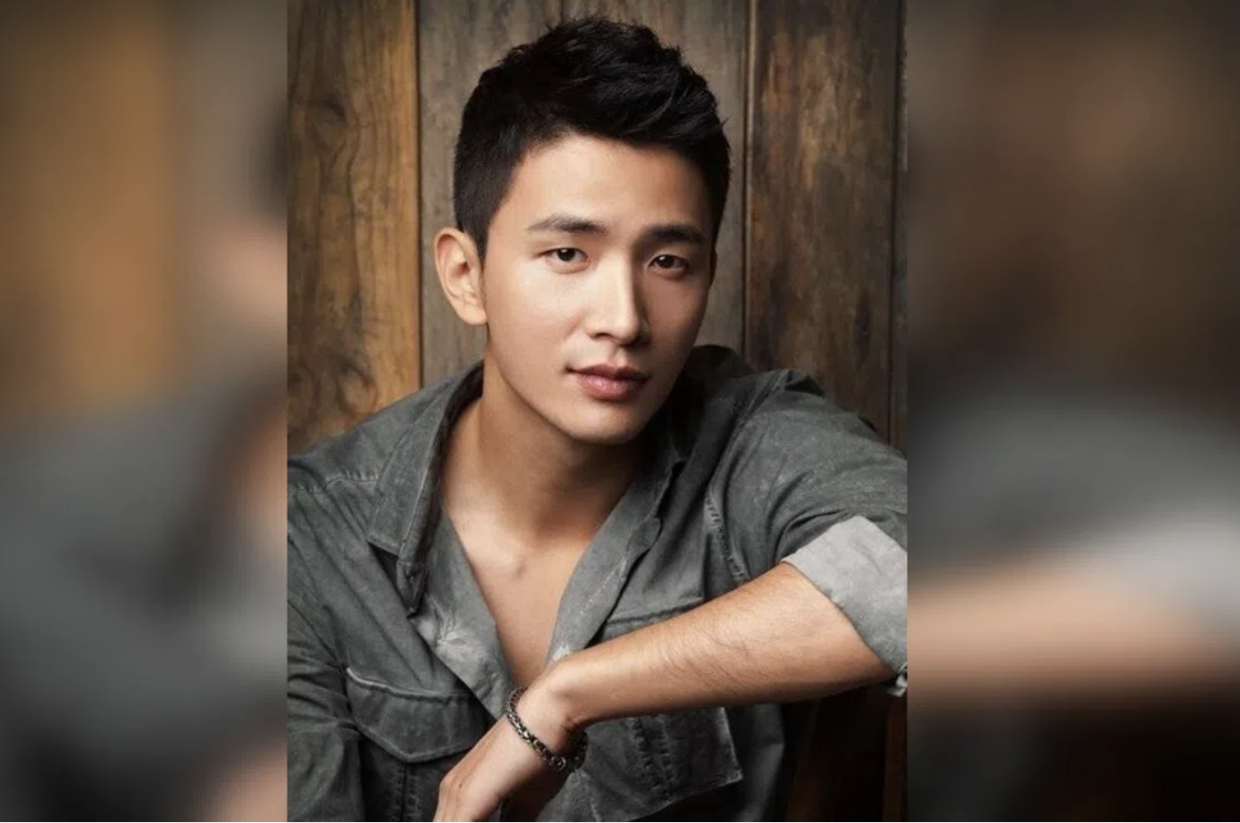
South Korean television and film actor Lee Yong-joo has passed away at the age of 44, marking the loss of a familiar face from the Korean entertainment industry that resonated across Asia. The actor, whose most recognisable role came as Jang Kyung in the beloved 2006 television drama Princess Hours, died on August 29 from cardiac arrest, according to reports from South Korean media outlets. A close friend made the announcement through social media, expressing the shock felt by those in his circle at the sudden nature of his passing.
Lee's death brings into sharp focus a health condition that he had disclosed publicly several years prior. In 2013, whilst he was promoting the tvN sitcom Blue Tower, the actor revealed that he had been diagnosed with hypertrophic cardiomyopathy, a serious cardiovascular disorder characterised by abnormal thickening of the heart muscle walls. This condition had led military authorities to grant him an exemption from South Korea's mandatory military service requirement, a significant administrative outcome that underscored the severity of his medical situation at that time.
The discovery of Lee's heart condition emerged through a familial screening process. His mother had previously been hospitalised after being diagnosed with the same condition, which prompted medical professionals to recommend that other family members undergo thorough examinations. Given the hereditary nature of hypertrophic cardiomyopathy, these preventative screening measures led to Lee's own diagnosis. The actor's willingness to speak openly about his condition at the time represented an important moment of public awareness about cardiac health issues, particularly among individuals in the entertainment sector.
Lee's professional journey in entertainment began during the early 2000s, initially establishing himself as a model before transitioning into acting roles. His film debut came in 2004 with a minor part in Doma Ahn Jung-geun, but it was his subsequent television appearances that would gradually build his recognition. Between 2005 and 2006, he appeared in the MBC drama Hello, Francesca, which provided early experience in major television productions and helped establish him as a reliable supporting actor in Korean drama productions.
Princess Hours proved to be the defining role of his career, even though it was not necessarily the lead position. In this highly successful historical fantasy drama, Lee portrayed Jang Kyung, a high school classmate and friend to the crown prince character Lee Shin, played by actor Ju Ji-hoon. The 2006 production became a regional sensation across Asia, introducing Korean drama to wider audiences and becoming a cultural touchstone for viewers throughout Southeast Asia, including Malaysia. Lee's character provided essential comic relief and secondary narrative depth to the ensemble cast, contributing meaningfully to the drama's overall appeal and longevity in audience memory.
Following the success of Princess Hours, Lee maintained steady employment throughout the latter half of the 2000s and into the 2010s, appearing in various television comedies and dramas that demonstrated his versatility as a performer. He participated in the comedy series Unstoppable Marriage in 2007 and became associated with the long-running Rude Miss Young-ae franchise, which spanned from 2007 through 2019 and provided him with recurring work over an extended period. Additional credits included The Women's Room in 2013, the food-themed drama Let's Eat also in 2013, and the romantic comedy My Unfortunate Boyfriend in 2015.
Despite his military service exemption due to his heart condition, Lee achieved considerable popularity through his role in Blue Tower, where he was cast as a new recruit character. The irony of this casting—portraying someone undergoing military training when he had been medically unable to serve in actual military duties—became part of the narrative intrigue surrounding the show. This creative decision by producers demonstrated how Lee's personal circumstances could be thoughtfully incorporated into storytelling, transforming a limitation into an interesting dramatic element.
For Malaysian and Southeast Asian audiences, Lee's passing represents the loss of an actor whose work during the Korean drama wave of the 2000s significantly influenced regional television culture. Princess Hours became one of the gateway dramas through which many viewers in Malaysia first discovered Korean entertainment, making Lee's presence familiar to multiple generations of drama enthusiasts. The show's theme of bridging historical and contemporary romance, along with its ensemble cast dynamics, established templates that would influence Korean drama production for years to come.
Lee's death also highlights the broader issue of health management and transparency within the Asian entertainment industry, where schedules and pressures can be intense. His earlier disclosure of his cardiac condition represented a moment when an industry figure acknowledged medical vulnerability, potentially encouraging others to seek proper medical attention and manage pre-existing conditions seriously. The tragic outcome underscores the importance of cardiac health awareness and management, particularly among individuals whose professional demands may place additional strain on their physical wellbeing.
Funeral arrangements were organised with his wake established at Room 5 of the Bundang Jesaeng Hospital Funeral Hall in Seongnam, Gyeonggi Province. The funeral procession took place on August 31 at 6:30 in the morning, with his burial scheduled at the Seongnam City Funeral Culture Complex. His passing prompted reflections from fans and colleagues across social media platforms, many of whom recalled their encounters with his television performances and the emotional connections they had formed through his work over nearly two decades in the industry.

