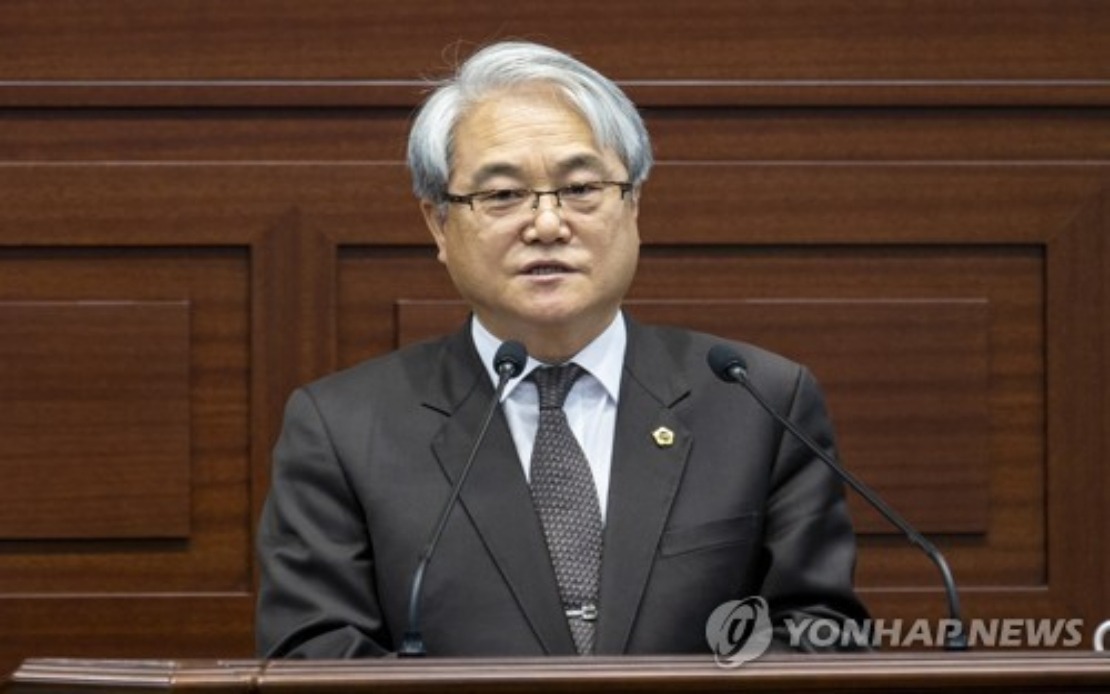
The death of Kim Ha-soo, a former chief administrator of Cheongdo county in South Korea's southeastern region, has cast a stark spotlight on the nation's ongoing struggles with official corruption at the local government level. Rescue personnel discovered Kim's body on a mountainside early Monday morning around 7 a.m., along with what appeared to be a handwritten note, according to police accounts relayed through Yonhap News Agency. The circumstances surrounding the discovery, combined with the active investigations into Kim's conduct during his tenure, underscore the mounting pressure facing public officials implicated in wrongdoing across South Korea's administrative hierarchy.
The charges against Kim encompassed multiple serious allegations that had accumulated during and after his period in office from 2022 through earlier this year. Most prominently, he faced investigation for allegedly accepting unlawful payments from a government employee in return for facilitating that person's career advancement while serving as county chief. This type of quid pro quo arrangement represents one of the most direct forms of corruption prosecuted in South Korean law enforcement, involving the abuse of official position to benefit individuals seeking institutional favors. The specificity of these charges indicates a deliberate pattern rather than isolated misconduct.
The broader investigation network extended beyond Kim himself, creating a web of interconnected cases typical of South Korean corruption probes. A man suspected of serving as the intermediary in delivering the bribes to Kim was found dead previously, suggesting that pressure from legal accountability may have prompted desperate actions among those implicated in the scheme. These cascading deaths among individuals connected to the same corruption investigation raise difficult questions about the psychological toll of facing public disgrace and potential imprisonment in a society where official status carries significant social weight.
Beyond the bribery allegations, Kim confronted a separate serious charge that reflected a pattern of concerning behaviour. Prosecutors had referred him for investigation regarding an alleged break-in at the residence of a nursing home director in January. The timing of this incident during his tenure as county chief, combined with its seemingly personal nature, suggests potential motivations rooted in conflicts of interest or disputes over facility operations and regulations. This charge, distinct from the financial corruption count, painted a picture of an official whose abuse of authority extended into potentially violent or intimidatory conduct.
For Malaysian and Southeast Asian observers, the case exemplifies persistent vulnerabilities within the administrative structures of even technologically advanced democracies. South Korea, despite ranking among the world's most developed economies and maintaining robust democratic institutions, continues grappling with entrenched patterns of official misconduct at provincial and local levels. The decentralisation of governmental power to county-level positions creates administrative distances from central oversight, potentially enabling corrupt practices that might be more visible at national government levels.
The investigative apparatus that prompted these inquiries reflects South Korean authorities' commitment to pursuing accountability, yet the deaths occurring during such investigations raise procedural and ethical questions about investigation intensity and the psychological consequences of facing public exposure for wrongdoing. The discovery of a note accompanying Kim's body suggests that the weight of investigation and anticipated punishment may have overwhelmed his capacity to face prosecution and public shame. This phenomenon, whilst dramatic, reflects broader patterns observable across jurisdictions where official corruption charges carry profound social stigma.
Local governance corruption in South Korea has historically attracted particular scrutiny from watchdog organisations and media outlets concerned about power abuse affecting community-level services and infrastructure projects. County chiefs wield substantial influence over budgeting, contracting, and personnel decisions affecting public welfare institutions, environmental management, and development initiatives. When such authority is compromised by corrupt arrangements, the consequences ripple through communities dependent on those administrative decisions, affecting everything from healthcare facility standards to infrastructure allocation.
The investigation's focus on both financial and behavioral misconduct—combining bribery charges with alleged home invasion—suggested prosecutors constructed a comprehensive case targeting multiple dimensions of Kim's official conduct. South Korean prosecutors typically employ aggressive investigative strategies and pursue high-profile cases against public officials to demonstrate commitment to anti-corruption efforts, particularly following major national scandals that have periodically shocked the nation's governance record.
For policymakers across Southeast Asia monitoring governance reform efforts, South Korea's experience offers complicated lessons. The nation's legal frameworks for pursuing official corruption remain relatively sophisticated, yet individual cases still result in tragic outcomes that complicate simple narratives about accountability effectiveness. The case also underscores how investigations into corruption can intersect with personal desperation, creating situations where institutional processes designed to uphold public trust inadvertently become catalysts for human tragedy.
The death's implications extend beyond the immediate investigation, potentially complicating prosecution of associated figures and raising questions about whether investigative approaches adequately account for psychological vulnerability among subjects. For regional governance observers, the incident reinforces that corruption's persistence reflects not merely absence of legal mechanisms, but deeper institutional and cultural challenges requiring comprehensive reform strategies that balance accountability imperatives with human considerations.

