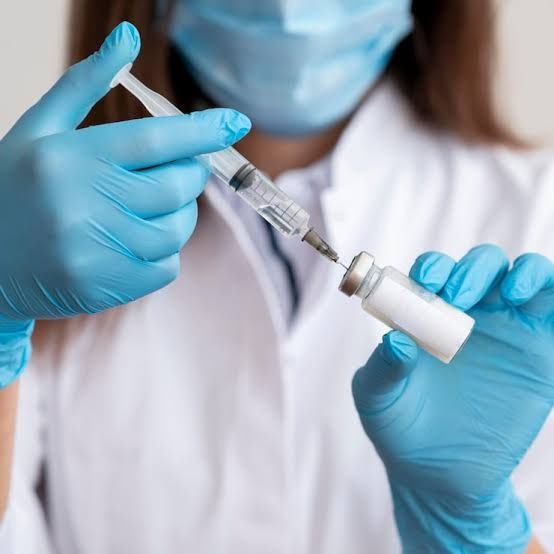
A nurse assistant in her twenties was arrested in Seoul on July 7 after being discovered injecting herself with propofol during her inaugural shift at a Gangnam-gu dermatology clinic, marking another troubling case in South Korea's escalating problem with medical narcotic abuse. The Seoul Gangnam Police Station proceeded with charges under the Narcotics Control Act, launching an investigation into the circumstances surrounding the incident and whether the woman had engaged in repeated drug use.
The incident itself presented a sobering picture of workplace vulnerability. The young woman discovered a syringe containing leftover propofol discarded in a clinical waste bin and subsequently administered the substance to herself. This discovery method reveals a critical gap in institutional safeguards at medical facilities, where controlled pharmaceuticals remain accessible even after disposal. Rather than facing physical detention, authorities released her on condition of continued investigation, a decision that reflected the evolving approach to drug abuse cases in the country.
Propofol, an intravenous sedative prized in anaesthesia for its rapid onset and offset characteristics, carries substantial risks when misused outside clinical supervision. Medical professionals have long cautioned that unsupervised administration of propofol can precipitate severe physiological complications ranging from respiratory depression to cardiovascular collapse, with fatalities documented in cases of abuse. The drug's mechanism—producing profound sedation within seconds—makes it particularly hazardous when deployed without monitoring equipment and trained personnel standing by.
The timing of the arrest came as South Korea grappled with a widening public health crisis regarding medical narcotic consumption. Statistics released in June by the nation's Drug Ministry and the Korea Institute of Drug Safety and Risk Management painted a striking picture: approximately 20.2 million South Koreans received at least one prescription for a medical narcotic throughout 2025, representing roughly four in every ten citizens. This extraordinary penetration of narcotic prescriptions across the population signals both the prevalence of pain management needs and potential over-reliance on controlled substances within the healthcare system.
Critics and health advocates have intensified calls for comprehensive regulatory overhaul addressing how medical facilities procure, administer, monitor, and dispose of controlled narcotics. The discovery that a dangerous pharmaceutical could remain accessible in a waste container underscores systemic deficiencies in handling protocols across clinics and hospitals. Many facilities, particularly smaller dermatology practices, may lack sophisticated inventory tracking systems or secure disposal mechanisms comparable to those in larger institutional settings. This disparity creates vulnerability points where healthcare workers and potentially patients could gain unauthorised access to controlled substances.
The case also illuminates the particular susceptibility of healthcare workers themselves to narcotic dependency. Individuals with occupational proximity to these substances face heightened temptation and reduced barriers to access compared to the general population. Medical professionals wrestling with addiction often begin by diverting small quantities from workplace supplies, a trajectory that can escalate rapidly given the potency of modern pharmaceuticals. In developed nations including South Korea, healthcare worker addiction has emerged as a distinct occupational health challenge requiring targeted intervention and support programmes.
Investigators remain focused on determining whether the arrested woman had engaged in habitual propofol use prior to her arrest, a critical distinction that would shape both legal consequences and clinical intervention strategies. If the self-injection represented an isolated incident of curiosity or desperation rather than established dependency, her case might qualify for rehabilitation-focused responses. Conversely, evidence of chronic use would suggest underlying substance abuse disorder requiring comprehensive addiction treatment alongside legal accountability.
The broader South Korean context adds further significance to this incident. As an affluent, technologically advanced society with universal healthcare coverage, South Korea has witnessed simultaneous expansion of pharmaceutical access and emergence of novel abuse patterns. Unlike traditional illicit drug markets, medical narcotic diversion occurs within ostensibly legitimate healthcare channels, complicating prevention and enforcement efforts. The ease with which healthcare workers can access these substances, combined with their professional knowledge of pharmacological effects and administration techniques, creates a distinct risk profile.
For Malaysia and neighbouring Southeast Asian nations, this incident carries instructive implications. As healthcare systems expand and pharmaceutical accessibility increases across the region, the institutional vulnerabilities evident in South Korea's experience warrant attention. Malaysian clinics and hospitals should audit their controlled substance management protocols, particularly regarding disposal procedures, inventory reconciliation, and staff monitoring. Building institutional safeguards before crises emerge proves far more effective than responding reactively to abuse cases.
The South Korean government's response will likely shape policy approaches throughout the region. Anticipated reforms could encompass mandatory secure pharmaceutical disposal systems, enhanced inventory tracking technologies, restricted access protocols limiting unsupervised availability, and occupational health screening for healthcare workers handling controlled substances. Such measures, while demanding investment, address root causes rather than merely prosecuting individual incidents.
Ultimately, the nurse assistant's arrest illustrates how modern medical systems must balance legitimate therapeutic pharmaceutical access against institutional vulnerabilities enabling misuse. Neither complete restriction of necessary medicines nor uncontrolled availability serves public health interests. Rather, thoughtfully designed systems combining secure handling, professional accountability, worker support, and regulatory oversight represent the evidence-based path forward. The incident serves as a catalyst for South Korea and the broader region to strengthen defences protecting both patients and vulnerable healthcare workers from the escalating challenge of medical narcotic abuse.

