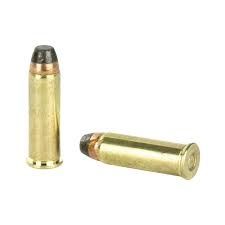
A police officer in South Korea's Gyeonggi province has become the subject of a formal criminal investigation after security screening detected live ammunition in his possession as he prepared to board a domestic flight from Jeju Airport on June 28. The discovery has triggered scrutiny into how the officer obtained the rounds and why he failed to comply with the country's stringent regulations governing the transport and storage of firearms and ammunition.
According to the Jeju Seobu Police Station, which released details of the case on July 3, the officer—a man in his 30s—was stopped during the evening boarding process at approximately 8.40pm local time. Security personnel found two live rounds on his person as he attempted to board a flight destined for Gimpo Airport. Notably, the officer was not carrying a firearm at the time of the incident, making the discovery of ammunition alone a serious regulatory violation that has now prompted authorities to examine the circumstances surrounding his actions.
The ammunition was subsequently analysed by the National Forensic Service, which confirmed that the rounds were manufactured for a .38-calibre pistol—the standard-issue sidearm distributed to most members of South Korea's police force. This detail has added particular significance to the investigation, as it suggests the ammunition was directly connected to the officer's duties rather than being privately acquired. The fact that the rounds were for his service weapon raises questions about how institutional security and internal accountability mechanisms may have faltered in this case.
When questioned by investigators, the officer provided an explanation that has only deepened the inquiry into procedural breaches. He claimed that he had received the two bullets from a former colleague who had recently retired from the police force. This account has prompted police to explore whether the transfer of ammunition between officers—particularly involving someone no longer employed by the service—violates departmental protocols or represents a larger systemic weakness in how such materials are managed and tracked within the agency.
South Korea maintains among the world's most rigorous frameworks for civilian and law enforcement access to firearms and ammunition. The strict regulatory environment reflects the country's commitment to maintaining public safety and preventing firearms-related incidents in a densely populated society. Police officers, despite their professional status and training, are not exempt from these requirements; instead, they face particular obligations to demonstrate exemplary compliance with storage and transport protocols.
Under current regulations, police officers are expressly required to maintain their service weapons and related ammunition at the armoury facilities located within their respective police stations. This centralised storage system is designed to prevent unauthorised possession, reduce the risk of theft or misuse, and ensure that all firearms and ammunition remain under institutional control and oversight. The officer's possession of ammunition outside this designated storage location therefore constitutes a direct violation of established safety management guidelines.
The timeline of the incident reveals additional complications. Airport security personnel at Gimpo had conducted a screening of the same officer's baggage on June 26 as he departed for Jeju, and no ammunition was discovered at that time. The appearance of two rounds in his possession just two days later—during his return journey on June 28—suggests that he acquired the ammunition during his time on the island rather than bringing it from the mainland, or that security protocols may have gaps in their detection capabilities.
For Malaysian readers and Southeast Asian observers, this incident underscores the contrasting approaches to firearms regulation across the region. While South Korea enforces exceptionally tight restrictions even on its law enforcement personnel, many Southeast Asian nations, including Malaysia, maintain their own regulatory frameworks governing police and military armament. The investigation highlights how even professionalised police forces in technologically advanced democracies must contend with institutional challenges related to firearms management and the enforcement of internal discipline.
The investigation has been formally classified as a violation of the Act governing the safety management of guns, swords and explosives—the primary statute through which South Korea codifies its firearms control regime. This legal framework carries significant penalties for breaches, and the formal investigation suggests that prosecutors are treating the matter seriously rather than as a minor administrative oversight. The officer's actions have triggered a review that may extend beyond his individual case to examine whether institutional safeguards require strengthening.
As the investigation progresses, South Korean authorities will need to determine not only why the officer possessed the ammunition but also whether his conduct represents an isolated incident or symptomatic of broader deficiencies in how police stations manage weapons and enforce compliance among personnel. The involvement of a recently retired colleague adds another dimension to the inquiry, potentially implicating questions about how personnel transitioning out of service are debriefed and whether outstanding weapons or ammunition are properly accounted for during the retirement process. This case may ultimately influence how police forces across South Korea conduct personnel security reviews and manage the sensitive period during which officers leave active service.

