A woman in her 30s faces criminal prosecution in South Korea after authorities uncovered an elaborate ticket-scalping operation targeting K-pop concerts that netted her an estimated 442 million won—roughly US$319,000—between April 2023 and March 2026. The Seoul Metropolitan Police Agency referred the suspect to prosecutors on August 26 without detention, accusing her of violating the Information and Communications Network Act, obstructing business operations, and breaching the Public Performance Act. The case represents a significant enforcement action against organised ticket fraud within the increasingly lucrative but closely monitored K-pop entertainment ecosystem that attracts global fandom and record-breaking demand.
Investigators discovered that the woman deployed sophisticated macro programming—automated software designed to execute repetitive online tasks at speeds impossible for ordinary consumers—to circumvent standard ticket purchase restrictions. Most K-pop concerts in South Korea implement per-person purchase limits of one or two tickets per performance date, a measure intended to ensure fair distribution to genuine fans. The suspect ingeniously bypassed these safeguards by registering multiple accounts under the names of relatives and acquaintances, effectively multiplying her purchasing capacity. Through this coordinated approach, she managed to secure approximately 2,600 tickets across multiple performances by major K-pop artists, then resold them at substantially marked-up prices to fans unable to obtain tickets through legitimate channels.
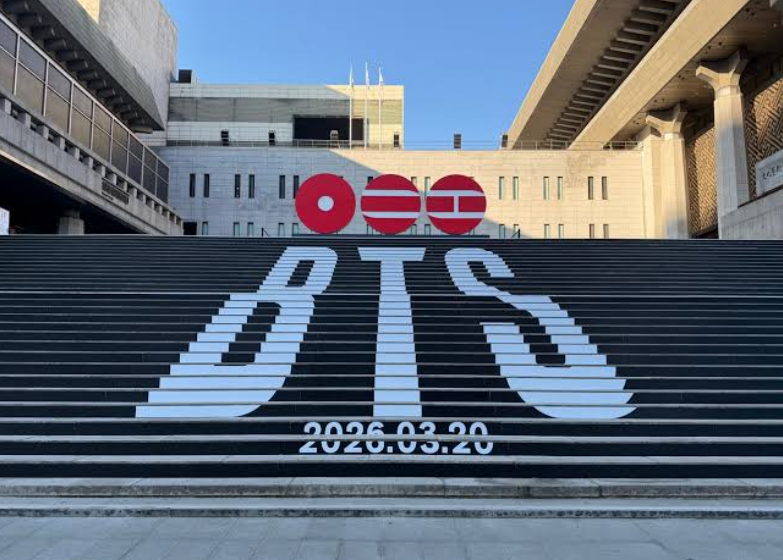
The breakthrough in the investigation came unexpectedly during ticket sales for BTS' highly anticipated Gwanghwamun concert scheduled for March 2026. Police detected suspicious purchasing activity on February 23 as the Seoul Metropolitan Police Agency worked in close coordination with the ticketing platform to monitor reservations amid exceptional public demand for the performance. The woman had managed to acquire nine tickets to the BTS event using her established macro methodology, but swift intervention by authorities prevented her from reselling them. This timely detection not only stopped the transaction but also provided investigators with crucial evidence linking her to the broader scalping network that had operated for nearly three years without detection.
The operational sophistication of the scheme demonstrates the growing technical arms race between organised ticket fraudsters and entertainment industry platforms attempting to protect consumer access. The woman's choice to use multiple legitimate-seeming accounts rather than a single suspicious entry point made detection inherently challenging. Each individual purchase appeared within permitted parameters, but the aggregated pattern across accounts and time revealed the coordinated fraud. This particular vulnerability mirrors challenges faced by ticketing platforms worldwide, where bad actors increasingly employ technological tools to exploit demand surges. Southeast Asian readers familiar with regional concert demand—whether for K-pop groups touring across Malaysia, Singapore, and Thailand—will recognise this as an escalating threat to fair ticket distribution.
Parallel investigations have expanded the scope of enforcement actions against ticket scalping. Police in Ulsan simultaneously prosecuted a separate suspect in his 30s who developed his own macro programme to purchase more than 1,700 K-pop concert tickets between November 2024 and October 2025. This individual resold tickets at three to thirteen times their original face value, generating approximately 420 million won in profits. The existence of multiple independent scalping operations using similar technologies suggests a broader ecosystem of ticket fraud that extends beyond isolated criminal behaviour. The Ulsan case indicates that macro-based ticket scalping has become an established illicit business model attracting multiple operators willing to risk prosecution.
Authorities have implemented aggressive asset preservation measures to prevent proceeds from disappearing before trial. Police sought pre-indictment seizure and preservation orders for the alleged criminal proceeds, effectively freezing assets and preventing disposal that might frustrate future restitution or forfeiture. This tactic recognises that scalpers typically convert ticket revenue into liquid assets or investments, and early intervention prevents money laundering. Such financial enforcement complements the criminal charges and signals prosecutorial intent to pursue full consequences rather than merely imposing nominal penalties.
The timing of these prosecutions carries particular significance as South Korea prepares to strengthen its legal framework against illegal ticket resales. Beginning August 28, revised provisions of both the Public Performance Act and the National Sports Promotion Act substantially escalate penalties for ticket scalping. Previously, enforcement focused on criminal prosecution with prison terms and fines, but the revised legislation introduces administrative fines reaching up to fifty times the original ticket value. This multiplicative approach creates severe financial disincentives for scalping operations—a single ticket purchased at 100,000 won and illegally resold could trigger administrative penalties of five million won regardless of the resale price actually charged. The regulatory shift signals governmental determination to prioritise consumer protection and fair market access within South Korea's entertainment industry.
The implications extend beyond South Korean borders into the broader Southeast Asian entertainment market. Malaysia, Singapore, and other regional countries increasingly host K-pop concerts as global demand drives international touring schedules. Ticket scalping represents a persistent challenge across the region, with local authorities struggling to enforce consumer protections. The South Korean government's aggressive stance—combining technological coordination with ticketing platforms, criminal prosecution, and escalated financial penalties—offers a comprehensive model that regional governments might consider adopting or adapting. Several Malaysian concert promoters have already begun implementing restrictions and identity verification systems in response to similar scalping problems.
For Malaysian fans of K-pop and international performers, these enforcement actions underscore broader industry efforts to preserve equitable access to in-demand tickets. The sophistication of the schemes uncovered in South Korea demonstrates that macro-based fraud represents a genuine threat to fair distribution, validating the increasingly strict purchase policies and verification requirements that venues implement. While such restrictions occasionally frustrate legitimate buyers, they directly address organised fraud that would otherwise capture disproportionate ticket inventory. Entertainment industry observers anticipate that as South Korea's enhanced penalties take effect, other jurisdictions will monitor conviction rates and deterrent effectiveness, potentially informing their own regulatory responses.
The prosecution cases also reflect evolving consumer expectations regarding fair market access. K-pop fandom encompasses millions of devoted followers across Southeast Asia willing to invest substantial resources to attend live performances. When automated scalping systems systematically intercept available tickets, genuine fans face either inflated prices or complete unavailability. This distributional injustice has become increasingly untenable for entertainment regulators and industry stakeholders. The South Korean authorities' willingness to pursue extended investigations, coordinate with private ticketing platforms, and implement aggressive financial penalties signals that market fairness considerations now rank alongside traditional criminal justice concerns in enforcement decision-making.

