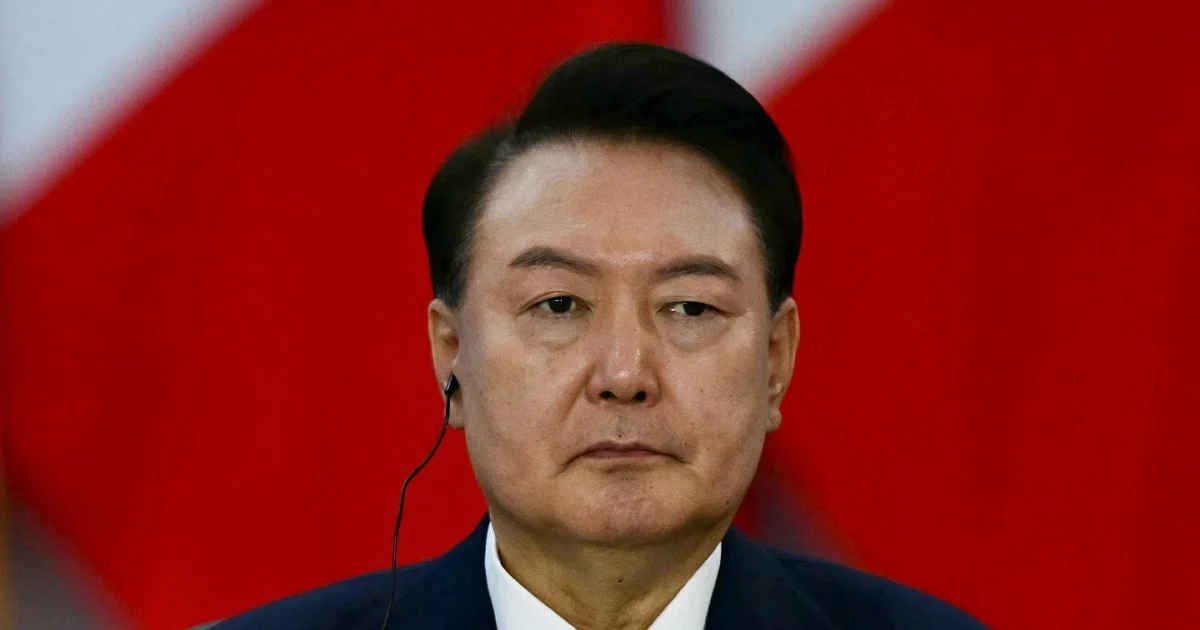
South Korea's Constitutional Court is preparing to hand down a historic ruling on Thursday against former president Yoon Suk Yeol, bringing to a conclusion one of the nation's most significant political crises in recent years. The verdict marks a watershed moment for the country's judicial system as it confronts questions about presidential accountability and the limits of executive power during emergency declarations.
Yoon's December 2024 martial law declaration shocked the nation and triggered immediate constitutional chaos. Within hours of imposing what he termed emergency martial law, lawmakers voted to reject his proclamation, setting off a sequence of events that exposed deep fractures within South Korea's political establishment and tested the resilience of its democratic institutions. The resulting turmoil saw military forces deployed across Seoul, creating scenes of confrontation between security personnel and resistance from opposition lawmakers, broadcast live across South Korean media.
The charges levelled against the former president are substantial and multifaceted. Prosecutors have accused Yoon of abusing his constitutional authority by imposing martial law without legitimate grounds and of insurrection, a charge that carries the most severe penalties under South Korean law. The alleged offences relate not only to the declaration itself but to the broader administrative and security response that followed, including actions that prosecutors contend exceeded lawful presidential authority.
Constitutional Court justices have spent months examining testimony and evidence in closed sessions before reaching this pivotal decision. The court's composition and interpretation of South Korea's constitutional framework will heavily influence the outcome. A conviction on insurrection charges would represent an extraordinary outcome in South Korean politics, given the severity of such a verdict against a sitting former president. Conversely, an acquittal or conviction on lesser charges would signal a different judicial philosophy regarding executive actions during perceived national emergencies.
The case carries profound implications extending far beyond Yoon himself. It will establish precedent for how South Korea's constitutional system treats emergency declarations and presidential power overreach. The ruling will also influence public and political understanding of where the line sits between legitimate emergency governance and antidemocratic abuse of authority. For Southeast Asian democracies observing South Korean developments, the verdict offers insights into how established constitutional systems manage threats to institutional stability.
South Korea's political landscape remains intensely polarised over Yoon's actions and subsequent impeachment. Conservative supporters argue that he faced genuine security threats justifying extraordinary measures, while progressive opponents characterise his martial law declaration as an authoritarian overreach that violated constitutional constraints on presidential power. The Constitutional Court's decision will not resolve this deeper political division, but it will establish the formal legal framework within which this national argument unfolds.
The timing of the verdict arrives as South Korea navigates broader questions about political accountability and institutional strength. The country has a historical legacy of military intervention in politics and has spent decades consolidating democratic practices. This case represents a test of whether those institutions can effectively constrain even the highest office when circumstances pressure leaders toward antidemocratic actions.
International observers, particularly from democratic nations in Southeast Asia and the Asia-Pacific region, are monitoring the proceedings with interest. The case exemplifies challenges facing established democracies in protecting constitutional order when leaders invoke emergency powers or national security concerns. South Korea's handling of this situation may inform how other regional democracies structure safeguards against executive overreach during crises.
The Constitutional Court's nine justices must balance complex constitutional principles while operating under intense political pressure. Their decision will affect not only Yoon's personal legal fate but also the trajectory of South Korean politics for years to come. If convicted, Yoon could face significant prison time and permanent disqualification from political office. An acquittal would vindicate his actions in the eyes of supporters but would face fierce criticism from opponents who argue the judiciary failed to defend constitutional democracy.
Legislative and civil society responses are already being prepared for whatever verdict emerges. Opposition parties have signalled they will scrutinise any outcome perceived as lenient, while conservative lawmakers have mobilised support for Yoon. The ruling will likely trigger immediate political reverberations, potentially influencing upcoming legislative debates on presidential powers and emergency authority.
Thursday's judgment represents more than a verdict on one individual's actions. It will serve as a defining moment for South Korea's constitutional order and democratic maturity. The decision will demonstrate whether the nation's judicial institutions can independently assess executive authority without succumbing to political pressure from either direction. For Malaysia and other Southeast Asian nations with presidential or semi-presidential systems, the case offers valuable lessons about building institutional resilience against concentrated executive power.

