South Korea is witnessing the twilight of a contentious culinary tradition as the country's historic dog meat industry races against an approaching legislative deadline. From February 2027, the breeding, slaughter and sale of dogs for consumption will become illegal across the nation, marking the culmination of a decennial debate that has divided Korean society, pitted cultural conservatives against animal welfare advocates, and forced thousands of farmers and restaurant owners to confront an uncertain future. This transformative moment reveals not merely a shift in eating habits but a profound generational reckoning with practices deeply embedded in Korean history and identity.
The journey to this ban began in earnest when South Korea's parliament passed landmark legislation in January 2024, granting the industry a three-year grace period to cease operations voluntarily. This measured approach reflected the government's recognition that abrupt prohibition could devastate rural livelihoods without adequate transition support. To facilitate the industry's orderly decline, authorities have deployed substantial incentives: farmers receive compensation of up to 600,000 won per dog, complemented by low-interest loans, job transition assistance, and re-employment counselling programmes. These interventions appear to have achieved measurable results. According to the Ministry of Agriculture, Food and Rural Affairs, more than 80 per cent of the estimated 1,500 dog meat farms operating in May 2024 had shuttered by May 2026, reducing the active farm count to fewer than 300 establishments.
The contraction has rippled through the commercial ecosystem serving this market. Dog meat vendors and restaurant proprietors report that business volumes have collapsed to roughly one-third of their former levels, a devastating blow for establishments that have operated for decades. Prices have surged dramatically to compensate for scarcity: at Seoul's Gyeongdong Market, one of the remaining wholesale outlets for dog meat, prices have tripled from approximately 20,000 won per kilogramme in 2024 to 60,000 won today. This inflationary spiral reflects both the declining supply as farms close and diminishing consumer demand, particularly among younger Koreans who overwhelmingly reject the practice. The sensitivity surrounding the issue has become palpable, with even veteran vendors reluctant to discuss their circumstances openly.
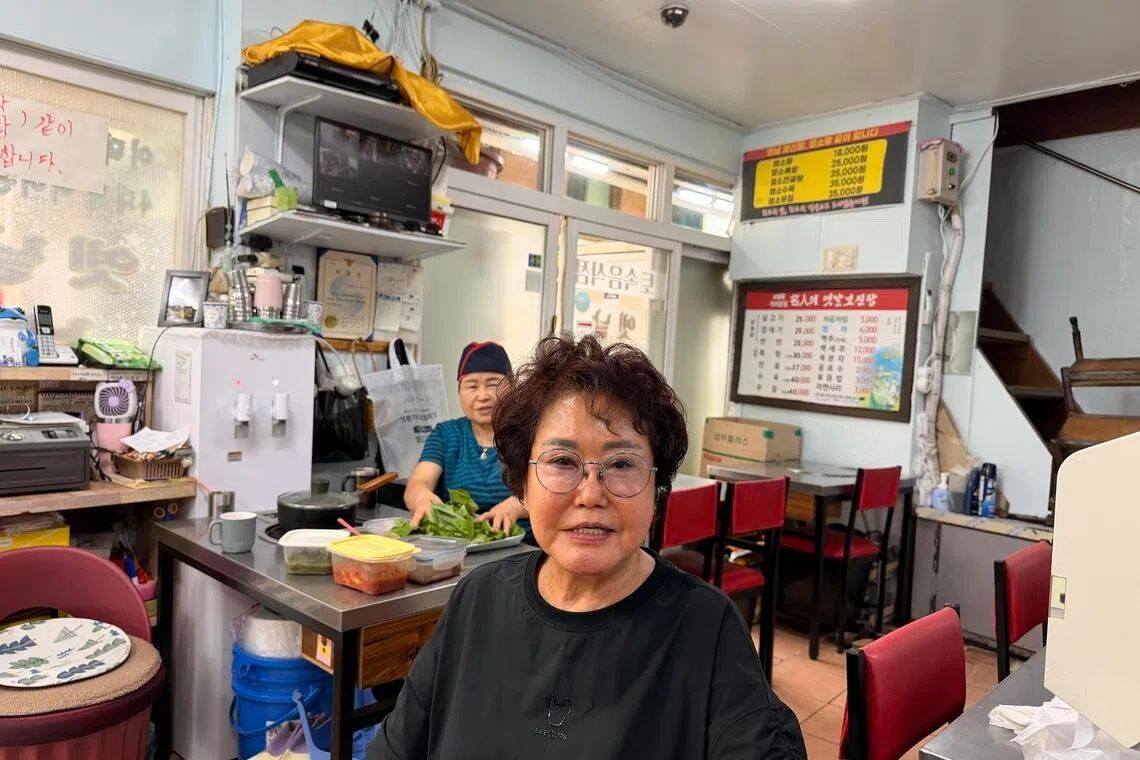
Lee Deok-sung exemplifies the precarious situation facing restaurant operators in the industry's final chapter. For forty-five years, her establishment near Seoul's Dongdaemun Market has served boshintang, the traditional dog meat stew consumed particularly during South Korea's three hottest days of summer, known as boknal. Koreans have historically believed that consuming this soup during these sweltering periods replenishes bodily vitality depleted by heat stress. This year's dog days—falling on July 15, July 25, and August 14—will likely represent the final opportunity for consumers to purchase this dish legally in restaurants. Lee has been forced to raise prices from 16,000 won to 25,000 won per bowl merely to approach break-even operations, yet demand remains anaemic. Faced with unsold portions requiring liquidation before dinner service closes, she expresses anxiety about her viability once the ban takes effect, acknowledging her limited prospects for transitioning to alternative livelihoods.
Immediately across a narrow alley, Lee Kyung-ja operates an equally venerable boshintang restaurant that has served customers for over four decades. Both establishments represent neighbourhood institutions patronised by dedicated consumers who view dog meat consumption as integral to their cultural heritage and wellness practices. In an adaptation strategy common throughout the industry, both restaurants introduced black goat stew earlier in 2026, selecting this meat specifically because its texture and gamey flavour approximate dog meat's culinary properties. Yet this substitution has failed to generate consumer enthusiasm. Regulars consistently express preference for traditional dog meat, citing superior taste, while some reference continuing recommendations from practitioners of traditional Korean medicine who advocate dog meat for patients recovering from severe illness. The seventy-five-year-old Lee Kyung-ja faces particularly acute challenges; rebuilding a customer base for an unfamiliar dish at her age seems daunting, and she contemplates retirement should conditions deteriorate further following 2027.
The cultural and historical dimensions of this transformation warrant deeper examination. Korean historical records document dog meat consumption extending at least to the Joseon Dynasty, with particularly notable references in the Donguibogam, a seventeenth-century medical compendium compiled by royal physician Heo Jun. This authoritative text described dog meat as a warming food with energetic and restorative properties, lending medical legitimacy to the practice among the educated classes. The tradition expanded substantially during Japan's colonial administration from 1910 to 1945 and intensified following the devastating Korean War, when widespread poverty and acute protein shortages compelled ordinary Koreans to seek inexpensive sources of nutrition. What began as elite wellness practice evolved into widespread working-class consumption during periods of severe deprivation.
The contemporary movement toward prohibition reflects dramatic demographic and value shifts within South Korean society, particularly among younger generations. Urban professionals, international travellers, and consumers exposed to global animal welfare discourse have increasingly questioned the practice, while pet ownership has surged, fundamentally altering attitudes toward dogs as companions rather than commodities. Animal rescue organisations, including non-profits such as Humane World for Animals, have facilitated the relocation of thousands of rescued dogs to adoptive families in North America and Europe, simultaneously raising public consciousness about conditions on breeding farms and narrating alternative relationships between humans and dogs. Cases like that of musician Annie Ko, who rescued DeeJay, a Labrador from a Wonju farm in 2015, have humanised the animals and complicated romantic notions of cultural tradition by exposing the realities of confinement and suffering.
The legislative pathway reflects South Korea's balancing of competing concerns. Rather than imposing sudden prohibition that would have invited fierce rural resistance and accusations of cultural imperialism by Western-influenced urbanites, parliament crafted a transitional framework acknowledging farmers' legitimate interests while advancing animal welfare objectives. This gradualism has proven pragmatically effective: the voluntary closure rate of 80 per cent by May 2026 demonstrates that most operators recognised the inevitability of change and negotiated orderly exits. The remaining 300 farms operating at mid-2026 represent either operators gambling on exemptions or individuals unable to access transition assistance. Government support mechanisms—particularly compensation tied to animal counts and job retraining initiatives—have substantially eased the transition compared to what unmitigated prohibition would have inflicted.
Regional observers should note that South Korea's approach offers instructive precedent for managing the intersection of cultural practice, modernisation, and animal welfare in East Asian societies. Unlike abolitionist campaigns that demonise practitioners and entrench cultural defensiveness, South Korea's framework combines legislative certainty with material support and temporal flexibility. This combination has facilitated relatively rapid industry contraction without generating the organised political resistance that absolutist prohibition might have provoked. The model may inform future policy discussions across the region regarding other practices subject to intensifying scrutiny from both domestic and international constituencies.
As the February 2027 deadline approaches, South Korea enters a period of genuine uncertainty about how completely the ban will be observed and enforced. Underground production and illicit slaughter might persist, particularly in rural areas where enforcement resources remain limited and cultural attachment to the practice remains strongest. Consumer surveys suggest demand has not entirely evaporated, particularly among older generations, rural residents, and individuals who view consumption as assertion of cultural sovereignty against perceived foreign pressure. Nonetheless, the trajectory appears clear: a practice that sustained generations of Koreans through poverty and that carried medical endorsement from royal physicians is becoming a historical artefact, replaced by black goat stew, imported meats, and fundamentally transformed understandings of the relationship between humans and dogs.

