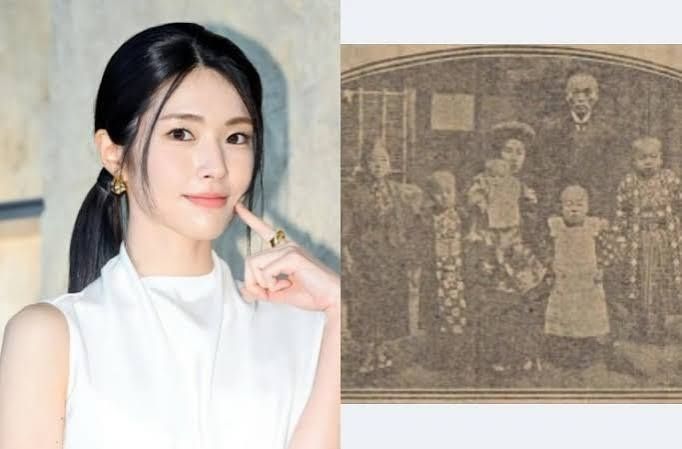
A widespread fascination with family histories has gripped South Korea in recent weeks, triggered by the unexpected revelation that a prominent television actress unknowingly shared details about an ancestor with troubling historical connections. The controversy surrounding Ahn Ha-young has lifted the veil on how ordinary Koreans grapple with uncomfortable truths hidden within their own family trees, especially those tied to the nation's colonial past—a subject that remains deeply sensitive and historically significant across the peninsula.
The sudden surge in genealogical research has overwhelmed the country's primary ancestry-tracing platform, which serves as a repository for information on 287 distinct family lineages found throughout South Korea. The site maintains detailed records on the origins and demographic scales of these family clans, functioning as an essential resource for citizens seeking to understand their ancestral connections and heritage. In the days following Ahn Ha-young's public apology on August 12, the website experienced consecutive technical failures, with servers becoming overloaded for hours on the evening of that date and continuing to suffer intermittent crashes throughout August 13.
The genesis of this unexpected digital phenomenon traces back to Ahn Ha-young's television appearance, during which she spoke respectfully about her great-grandfather, Ahn Sang-ho. According to the actress's account, this ancestor was a pioneering physician who had established Seoul's first Western-style medical clinic and provided healthcare to Emperor Gojong, the Korean monarch who reigned from 1852 to 1919. What began as a seemingly innocuous family anecdote quickly transformed into a flashpoint for broader historical reckoning when internet users began questioning the fuller context of this ancestor's activities and allegiances during Korea's period under Japanese rule.
The allegations that emerged from online investigation suggested Ahn Sang-ho had maintained connections with individuals and groups that collaborated with Japan's colonial administration. Such allegations carry particular weight in South Korean society, where collaboration with the occupying power remains a deeply divisive historical issue. The revelation prompted widespread public discussion about how contemporary Koreans should reckon with the sometimes uncomfortable legacies embedded within their family histories, particularly when such legacies involve actions that many view as betrayals of national interest during a period of foreign domination.
The actress's agency initially responded with denials when these allegations surfaced, a defensive posture that appeared only to intensify public scrutiny and fuel further investigation into historical records. The agency's refusal to engage substantively with the questions raised seemed to validate growing suspicions among online communities, leading to more determined efforts to excavate documentary evidence regarding Ahn Sang-ho's historical record. This dynamic—initial denial followed by escalating public pressure—mirrors broader patterns in South Korean discourse around historical accountability and transparency.
Facing mounting evidence and public pressure, Ahn Ha-young eventually issued a public apology on August 12, acknowledging that she had been uninformed about the darker aspects of her family's historical record. In her statement, she expressed regret for having spoken proudly about her ancestor's accomplishments without understanding the fuller context of his actions and associations during the colonial period. This admission served as a turning point in the controversy, transforming what might have remained a personal family matter into a teaching moment about the importance of historical literacy and critical examination of family narratives.
The timing of this controversy carries particular symbolic weight within South Korea's annual calendar. The revelation erupted just days before August 15, a date when the nation commemorates its liberation from Japanese colonial rule in 1945. This proximity to Liberation Day amplifies the emotional and historical resonance of the accusations, as South Koreans collectively reflect on the occupation period and the legacies it left behind. The juxtaposition of personal family reckoning with national historical commemoration has created a moment of broader cultural introspection.
The genealogy website's technical difficulties have inadvertently revealed something significant about contemporary Korean society: there exists a powerful hunger for historical information and a willingness to confront uncomfortable family truths. The surge in traffic suggests that many citizens are using this moment to examine their own ancestral records, perhaps wondering whether their own families harbored similar complications during the colonial era. This impulse reflects a maturation in how societies approach historical accountability, moving beyond simple narratives of heroism or victimhood toward acknowledgment of the moral ambiguities that often characterize periods of foreign occupation.
For Malaysia and Southeast Asia more broadly, the Ahn Ha-young controversy offers instructive lessons about how colonial legacies continue to shape contemporary identity politics. Many Southeast Asian nations share similar historical experiences of Japanese occupation during World War II, and several carry unresolved tensions regarding collaboration, resistance, and complicity. The willingness of South Korean society to engage in public reckoning with these issues—however uncomfortable—contrasts with the relative silence that surrounds such historical questions in some regional contexts.
The episode also demonstrates the power of digital platforms in democratizing access to historical information and enabling ordinary citizens to participate in historical investigation and discourse. Where genealogy research once remained the preserve of academic specialists or dedicated family historians, the internet has transformed it into a participatory endeavor. This shift has profound implications for how societies confront historical truth and accountability, creating both opportunities for greater transparency and risks of oversimplification or misinterpretation.
The controversy surrounding Ahn Ha-young ultimately reflects deeper questions about collective memory, family responsibility, and historical reckoning that extend far beyond entertainment journalism. As digital platforms continue to facilitate unprecedented access to historical records and genealogical information, more individuals may discover similar complications within their own family histories. The question then becomes how societies can create space for honest acknowledgment of these historical truths while avoiding collective guilt or shame, and how educational systems can better prepare citizens to understand and contextualize the moral complexities embedded within their nations' pasts.

