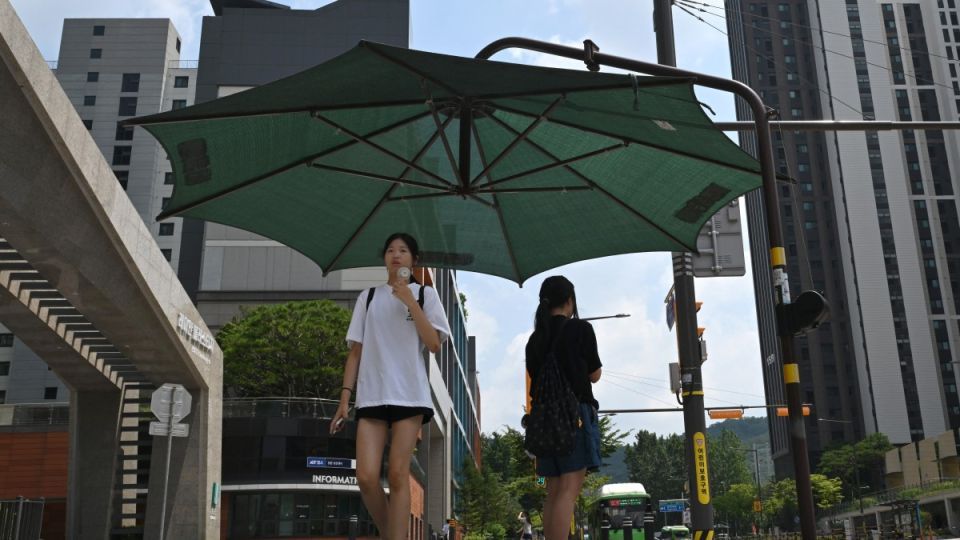
South Korea is grappling with an escalating occupational health crisis as temperatures soar to dangerous levels, prompting major corporations to overhaul work schedules and invest substantially in worker protection. Yet these responses highlight a troubling inequality: while large employers roll out sophisticated heat management systems, workers at smaller firms and outdoor worksites face minimal safeguards against potentially fatal conditions.
The urgency of the situation is underscored by the severity of recent weather patterns. Yangsan in South Gyeongsang Province reached a national record of 42.5 degrees Celsius, whilst Seoul has endured extended heatwave warnings at the highest alert level. These extreme conditions have triggered both spontaneous and mandated adaptations across the industrial landscape, though the effectiveness and accessibility of these measures remain highly uneven.
Statistics paint a sobering picture of the human toll. Between 2022 and June this year, the Korea Workers' Compensation and Welfare Service documented 195 heat-related occupational accidents, resulting in 20 deaths. Particularly alarming is that thirteen cases, including four fatalities, were already recognised by the end of June—before the peak summer months of July and August typically arrive. This trajectory suggests the final tally for the year could exceed previous records significantly.
Legal developments have intensified corporate accountability. Last year, a district court convicted a construction company under the Serious Accidents Punishment Act following the heatstroke death of a subcontractor's employee—marking the first such conviction involving heat-related mortality. This precedent has prompted major construction and heavy industry firms to substantially upgrade their safety protocols, recognising both ethical obligations and legal exposure.
Large construction firms have pioneered innovative protective measures. Hyundai Engineering & Construction incentivises workers to utilise designated rest areas, whilst Lotte E&C deploys Internet of Things technology across approximately 80 sites to measure perceived temperatures every five minutes, classifying heat risks into five distinct levels for targeted response. Daewoo E&C has established a no-penalty policy allowing workers experiencing physical distress to cease work immediately. Recognising that migrant labourers face disproportionate vulnerability, Hyundai E&C distributes emergency guides in 22 languages and provides cooling vests with integrated fans alongside oral rehydration solutions. Kumho E&C has partnered with Lotte Chilsung Beverage to supply bottled water, sports drinks, cooling towels and portable shelters through September.
Heavy industrial operations, which cannot pause production during heatwaves, have implemented rigorous work-rest cycles. Posco requires workers to rest for 15 minutes following every 45 minutes of labour when perceived temperatures exceed 35 degrees Celsius, reducing to 10-minute breaks after 50 minutes of work between 31 and 35 degrees. Hyundai Steel follows similar protocols, mandating at least ten minutes of rest hourly above 31 degrees and extending this to 15 minutes when temperatures surpass 35 degrees.
Shipyards have extended seasonal rest provisions substantially. Hanwha Ocean has doubled morning and afternoon breaks from 10 to 20 minutes through end-August regardless of temperature, with lunch extensions of 30 minutes above 28 degrees and one hour above 31.5 degrees. HD Hyundai Heavy Industries lengthens lunches from one hour to 90 minutes through August and operates more than 270 cooling facilities across its shipyards, providing workers with cooling vests, ice water and electrolyte supplements. Samsung Heavy Industries established a dedicated heat-response task force coordinating protective measures and deploying additional portable cooling equipment. SK hynix and Coupang have similarly expanded rest periods and climate-control infrastructure at their respective logistics and manufacturing facilities.
However, these comprehensive measures remain concentrated among corporations with substantial financial resources. Official data reveals that more than half of the 195 documented heat-related accidents since 2022 occurred at workplaces employing fewer than 50 people, with 42 cases at businesses with fewer than five employees. Smaller enterprises typically lack dedicated safety personnel, adequate cooling infrastructure and properly designed rest facilities, leaving their workforces significantly more vulnerable during extreme weather events.
Migrant workers employed in agriculture and outdoor labour face particularly acute exposure. Last month, a Thai seasonal worker died whilst labouring in a Haenam field in South Jeolla Province, followed days later by a Vietnamese national's death whilst working outdoors on a North Chungcheong farm. These tragedies underscore how vulnerable populations—often with limited legal protections, language barriers and precarious employment status—bear disproportionate risks when heat reaches dangerous levels.
Representative Kim Wi-sang of the ruling People Power Party has advocated for governmental action beyond the current focus on large workplaces, urging strengthened inspections and tangible protections specifically targeting seasonal migrant workers and small outdoor enterprises. His intervention suggests growing political awareness that corporate self-regulation, whilst valuable, cannot adequately protect the most vulnerable segments of South Korea's workforce during increasingly frequent and intense heat events. The challenge facing policymakers involves developing scalable, affordable solutions that extend meaningful protection to smaller employers and outdoor workers—populations whose economic constraints make comprehensive cooling investments financially impossible.

