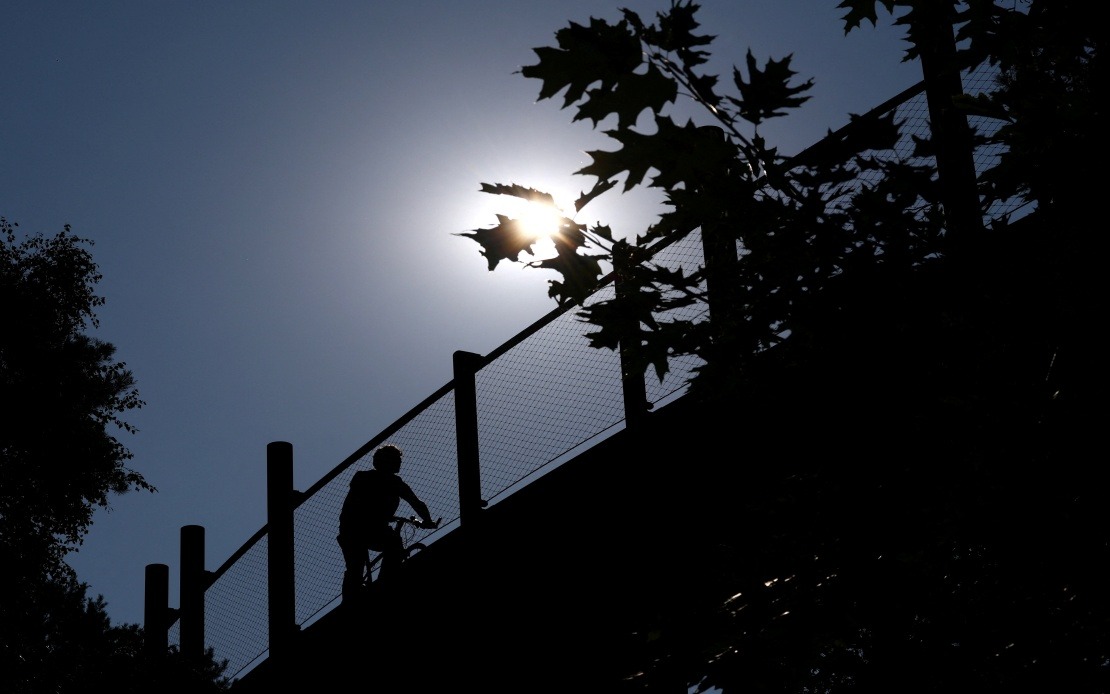
South Korea is confronting a mounting public health crisis as heat-related fatalities climb beyond the previous year's threshold, signalling the intensifying danger posed by extreme summer temperatures across the peninsula. The Korea Disease Control and Prevention Agency confirmed on Wednesday that 21 people have perished from heat-related illnesses in 2024, a grim milestone that surpasses the 20 deaths recorded throughout the entirety of the preceding year, even though the current year remains in its early stages of the peak summer season.
The spike in mortality is particularly striking given that it has occurred against the backdrop of fewer overall heat-related illness cases compared to the equivalent period twelve months prior. Data accumulated since the activation of the heat-related illness surveillance system in mid-May reveals that 2,441 patients sought emergency treatment for heat-related conditions by Tuesday, indicating that while the volume of cases may be lower, the severity and lethality of heat exposure have markedly increased.
The clinical manifestations of heat-related illness demonstrate a consistent pattern across South Korea's affected population. Heat exhaustion represents the predominant condition, accounting for roughly three-fifths of reported cases at 61.7 per cent, followed at considerable distance by heat stroke at 16.8 per cent and heat cramps at 11.5 per cent. This distribution underscores how sustained exposure to dangerous temperatures creates cumulative strain on the body's thermoregulatory systems, pushing previously manageable heat exhaustion toward more critical presentations.
Recent fatalities illustrate the diverse vulnerability of South Korea's population to extreme heat. A 60-year-old man working in outdoor agricultural conditions in Eumseong County, North Chungcheong Province, succumbed to heat-related illness on Tuesday, exemplifying how outdoor labourers remain particularly susceptible. Agricultural and construction workers, whose employment demands prolonged sun exposure throughout the day, constitute a disproportionate share of heat-related deaths, a pattern that underscores persistent gaps in occupational protection standards across labour-intensive industries.
The geographic distribution of heat risk has prompted escalating governmental response, with the state weather agency deploying additional serious heat wave warnings specifically targeting the greater Seoul metropolitan area. The capital region, home to approximately half of South Korea's population, now has 43 per cent of its territory placed under the highest alert level, reflecting meteorological models indicating sustained dangerous conditions concentrated in the country's most densely populated zone.
Temperature projections convey the magnitude of the immediate danger facing urban populations. Seoul is forecast to experience maximum temperatures reaching 39 degrees Celsius on Thursday, representing the upper threshold of what meteorologists classify as extreme heat. Such sustained exposure, particularly in densely built urban environments where concrete and asphalt amplify ambient temperatures, creates compounding health risks for elderly residents, those with pre-existing cardiovascular conditions, and individuals lacking reliable access to air conditioning.
For Malaysian and broader Southeast Asian observers, South Korea's escalating heat mortality carries sobering implications. The region shares comparable tropical and subtropical climate patterns, and rising temperatures driven by climate change have rendered heat-related health emergencies an increasingly routine occurrence across Malaysia, Singapore, Thailand, and Indonesia. South Korea's experience demonstrates that developed nations with sophisticated healthcare infrastructure and early warning systems remain vulnerable to cascading heat deaths, suggesting that countries in Southeast Asia—where outdoor labour comprises a larger proportion of employment and air conditioning penetration remains uneven—face proportionally greater risks.
The divergence between case volume and mortality rates in South Korea also warrants careful interpretation. The fact that fewer people have become ill while more have died suggests that heat exposure is becoming more intense and concentrated rather than dispersed. This pattern may reflect altered weather systems producing fewer but more severe heat events, a shift that complicates public health preparedness predicated on distributing healthcare resources across longer periods of moderate heat stress.
Occupational vulnerability remains a critical dimension of South Korea's heat crisis that demands regional attention. Agricultural workers throughout Southeast Asia encounter comparable or more severe heat exposure without comparable surveillance or protective infrastructure. Thailand's agricultural sector, Malaysia's outdoor construction industries, and Indonesia's plantations all employ millions of workers whose heat vulnerability exceeds that of urban populations, yet regional heat-related mortality monitoring remains fragmented and inconsistent.
The institutional response mounted by South Korea—surveillance systems activated in May, graduated alert levels, specific regional warnings—represents a model of heat health governance that Southeast Asian nations might evaluate for adaptation. Yet such systems prove effective only when coupled with enforceable workplace cooling standards, subsidised or mandated access to hydration and shade, and insurance mechanisms that address the economic precarity of workers unable to labour during peak heat hours.
Beyond immediate public health response, South Korea's mounting heat toll reflects a civilisational reckoning with climatic transformation. The nation's economic reliance on uninterrupted agricultural and construction productivity creates institutional resistance to implementing the comprehensive workplace modifications necessary to prevent heat deaths. This tension between economic imperatives and human protection characterises heat vulnerability across East and Southeast Asia alike, where rapid industrialisation and climate change have converged to create unprecedented thermal hazards.

