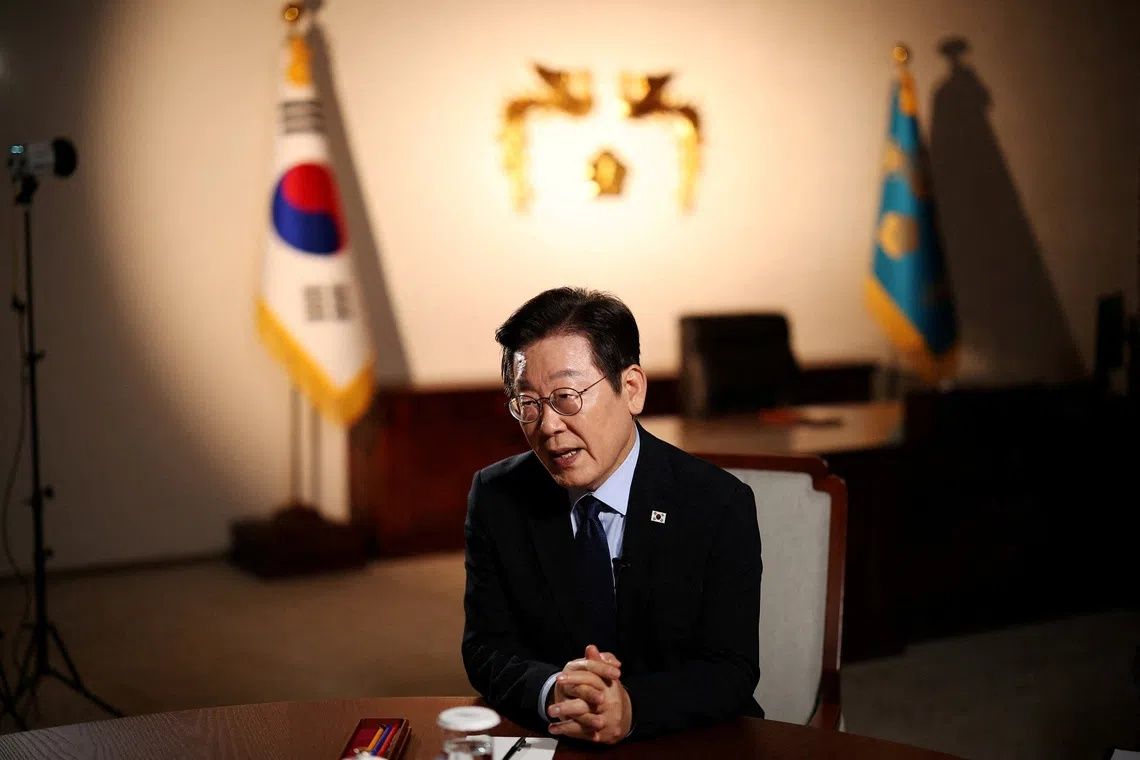
South Korean President Lee Jae Myung has indicated backing for a fundamental constitutional restructuring that would fundamentally reshape the country's presidency, according to officials at the Blue House. The proposal under consideration would permit presidents to serve a four-year term rather than the current five-year single mandate, while simultaneously opening the door to consecutive re-election—a significant departure from existing constitutional constraints that have defined Korean governance for decades.
The presidential administration has characterised this particular model as enjoying the strongest foundation of public support among various reform proposals circulating in political circles. This assessment reflects broader concerns within government about the concentration of executive authority that has historically characterised South Korea's political system. The prevailing concentration of presidential power has drawn sustained criticism from observers who point to what many describe as the nation's "imperial presidency"—a system where the sitting president wields extraordinary influence over domestic policy, foreign relations, and often the judicial apparatus.
According to the Yonhap news agency, which obtained these details from a Blue House official on Friday, President Lee shares the apprehension that the current constitutional framework vests excessive authority in the hands of a single individual occupying the presidency. The proposed reforms would not merely extend the presidential term and introduce the possibility of re-election, but would simultaneously redistribute power toward the legislative branch, effectively rebalancing the separation of powers that underpins democratic governance.
Under the existing constitutional arrangement that has been in place for the past several decades, South Korean presidents face a strict limitation: they may serve only one five-year term, after which they must step down regardless of political circumstances or public preference. This system was deliberately designed in the aftermath of previous military rule to prevent the concentration of power and to guard against authoritarian impulses. However, supporters of reform argue that the absolute prohibition on re-election creates its own complications, including lame-duck governance in a president's final years and the inability for successful leaders to continue their programmes.
For constitutional amendments to advance in South Korea's National Assembly, the threshold is notably high. Any proposed changes require the affirmative support of at least 200 lawmakers—representing a supermajority that typically necessitates cross-party cooperation rather than partisan advantage alone. This structural requirement has traditionally meant that constitutional reforms reflect genuine political consensus rather than the temporary preferences of a single party or administration. The Blue House official emphasised that any constitutional reform initiative must follow democratic procedures and emerge from genuine deliberation within the National Assembly rather than presidential decree.
The timing of this proposal carries particular significance within South Korea's contemporary political landscape. The nation has experienced considerable turbulence in recent years, with successive presidents facing corruption allegations and legal challenges following their departures from office. This pattern has intensified calls for systemic reform aimed at reducing presidential vulnerability to persecution by incoming administrations and establishing clearer institutional checks on executive power. Some analysts suggest that the four-year term with re-election rights could align South Korea's presidential system more closely with models utilised in other major democracies, potentially reducing the stakes surrounding each presidential election.
The emphasis on strengthening parliamentary powers represents a counter-balance to maintaining re-election eligibility. By enhancing the National Assembly's authority over budgetary matters, legislative agenda-setting, and oversight functions, the proposed reforms would theoretically prevent any single president from dominating the political system even if granted the possibility of serving consecutive terms. This tripartite approach—shortening the term, permitting re-election, and empowering parliament—attempts to address multiple criticisms of the existing system simultaneously.
For Malaysia and other Southeast Asian democracies, South Korea's constitutional deliberation offers instructive parallels. The tension between enabling effective governance through adequate presidential tenure and preventing authoritarian consolidation of power represents a perennial challenge in presidential systems throughout the region. Several Southeast Asian nations grapple with comparable questions regarding executive authority, legislative balance, and the appropriate constraints on re-election eligibility. South Korea's approach of combining term modification with institutional rebalancing rather than simply extending or removing presidential limits demonstrates one possible pathway toward modernising presidential frameworks.
The requirement for supermajority support in the National Assembly means that this constitutional proposal cannot advance without substantial buy-in from opposition parties. This procedural reality effectively insulates major constitutional changes from unilateral partisan manipulation, though it also renders such reforms more difficult to accomplish. Whether President Lee's preferred model can generate the necessary political consensus remains uncertain, as opposition parties may harbour reservations about modifications that could benefit the current administration if enacted during its tenure.
Constitutional reform processes in South Korea have historically extended over considerable timeframes, requiring multiple rounds of negotiation and public consultation. The Blue House's public indication of presidential preference for this particular model signals that formal deliberation may accelerate in coming months, though significant disagreement could still emerge regarding specific provisions, implementation timelines, and complementary amendments addressing institutional safeguards.

