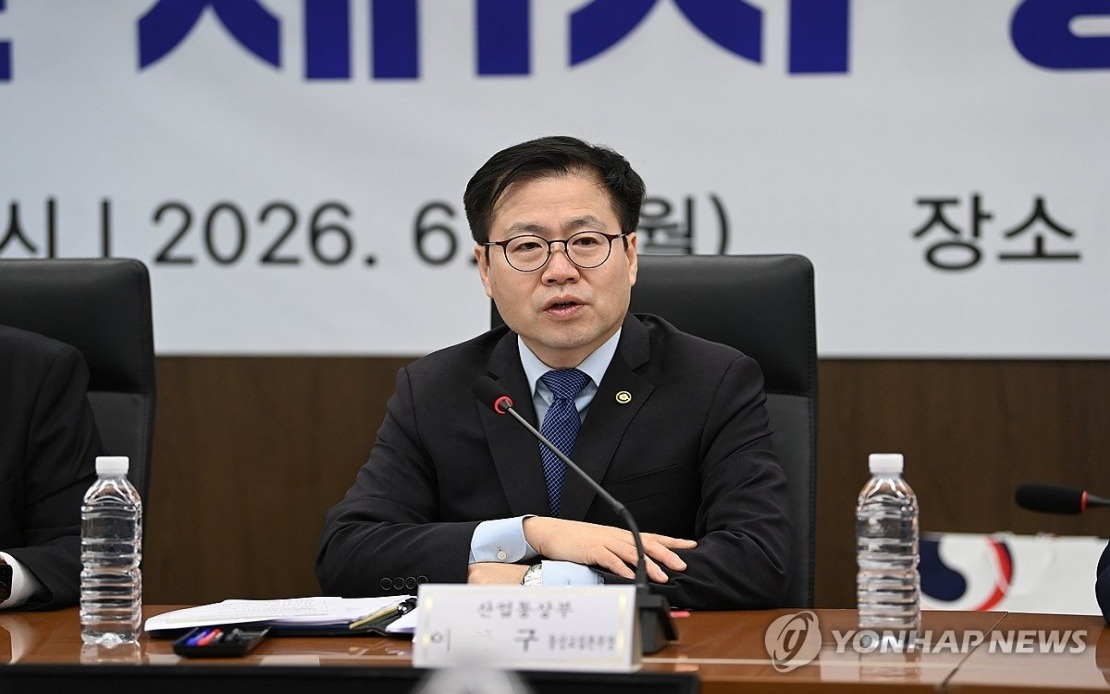
South Korea has removed its chief trade negotiator from office just as Seoul grapples with mounting pressure from Washington over unresolved trade matters and fresh tariff impositions. Yeo Han-koo received notification of his dismissal from the Ministry of Personnel Management on Friday, according to a Ministry of Trade, Industry and Energy official who declined to provide specific reasons for the decision. The timing has sparked considerable speculation given the fraught state of Seoul-Washington trade relations, though government authorities have sought to downplay any connection between Yeo's departure and ongoing tariff negotiations with the United States.
Yeo denied suggestions that his removal stemmed from personal misconduct, characterising such reports as baseless in a statement released to the media. He indicated he may pursue legal remedies against what he termed false allegations, though the precise nature of the rumoured misconduct remained unclear. His dismissal comes at a particularly delicate juncture for bilateral commercial ties, with Seoul facing intensifying American demands to expedite its investment pledges under an existing bilateral trade arrangement. Additionally, a separate dispute has emerged concerning fines levied against Coupang, the American-listed e-commerce operator, following revelations of inadequate personal data security measures.
The geopolitical timing underscores the vulnerability of regional trade arrangements in an era of escalating protectionist pressure. Just days before Yeo's removal, United States President Donald Trump issued a proclamation establishing new tariffs targeting drones and their constituent components, with South Korean imports facing a 15 percent duty. This action signals Washington's willingness to impose targeted levies across multiple sectors, extending beyond traditional manufacturing into advanced technology domains. For South Korea, which maintains substantial export exposure in electronics and component manufacturing, such measures carry material economic consequences that cascade throughout regional supply chains.
Yeo's career trajectory reflects the demands placed on senior trade officials navigating great power competition. He previously held the trade minister position during the Moon Jae-in presidency and was reappointed following the establishment of the Lee Jae Myung administration in May 2025. Since his return to the trade negotiating post, Yeo functioned as a central figure in managing conversations with Washington regarding tariff policies and South Korea's capital investment obligations. His departure removes an experienced negotiator at precisely the moment when Seoul requires skilled diplomatic engagement to manage American protectionist demands.
The removal highlights the internal political pressures facing Seoul's government as it attempts to balance economic interests with alliance management. South Korea's policymakers must simultaneously satisfy American demands for accelerated investment while protecting domestic industries and reassuring the South Korean public that national economic interests receive adequate protection. The sudden dismissal of the chief trade negotiator—whether or not officially connected to trade matters—sends uncertain signals about governmental cohesion and the prioritisation of trade negotiations within the broader policy apparatus. This uncertainty itself may complicate future negotiations, as American counterparts may question whether Korean negotiators possess sufficient institutional backing.
For Malaysia and other Southeast Asian economies, the Korea-US trade tensions offer instructive lessons about vulnerability to American tariff actions. Like South Korea, regional economies depend substantially on export-oriented manufacturing and technology sectors that face potential tariff exposure under the current American administration. The imposition of 15 percent duties on Korean drone imports demonstrates that Washington's protectionist approach extends beyond traditional manufactured goods into emerging technology categories. This pattern should concern Malaysian policymakers, particularly given the nation's growing presence in semiconductor manufacturing, electronics assembly, and advanced technology production.
The Coupang dispute adds another dimension to bilateral tensions beyond conventional tariff matters. The fines imposed on the American-listed platform over data security failures raise questions about regulatory enforcement and whether such actions influence broader trade negotiations. South Korean authorities may face American pressure to modify regulatory approaches affecting American technology companies, creating potential conflicts between domestic regulatory autonomy and trade relationship maintenance. This dynamic resonates across Southeast Asia, where governments similarly navigate tensions between protecting consumer interests through regulation and maintaining positive commercial relationships with powerful American corporations and their government sponsors.
Yeo's departure also reflects broader questions about the institutional capacity of trade negotiating agencies to withstand political pressures and maintain consistent strategic direction. Senior trade officials often become convenient scapegoats when negotiations produce outcomes perceived as unfavourable domestically, regardless of the actual merits of their negotiating positions. In South Korea's case, the perception—whether accurate or not—that Yeo's dismissal related to trade matters could undermine confidence in future negotiators' willingness to take bold stances that might antagonise either Seoul's government or American counterparts. This creates a chilling effect on diplomatic creativity and problem-solving.
Looking forward, the composition and priorities of South Korea's trade negotiating team will prove consequential not merely for bilateral Seoul-Washington relations but for the broader regional trade environment. The United States tariff policies affecting Korean products often subsequently impact neighbouring economies through supply chain displacement and competitive dynamics. Malaysia and other ASEAN nations with overlapping export sectors and manufacturing capabilities find their competitive positioning affected by American protectionist actions against Korean competitors. Conversely, if South Korea succeeds in negotiating tariff exemptions or reduced rates, such outcomes might establish precedents that other regional governments could reference in their own negotiations with Washington.
The path forward remains uncertain given the institutional disruption caused by Yeo's removal and the unresolved nature of underlying trade disputes. South Korea's government must quickly appoint a successor capable of managing sophisticated negotiations while maintaining political credibility domestically. The new chief negotiator will inherit complex ongoing discussions regarding investment timelines, sectoral tariff treatment, and the Coupang regulatory matter. Their effectiveness in managing these issues will significantly influence whether Seoul-Washington trade tensions moderate or escalate further, with implications extending throughout the regional economy and potentially affecting Malaysian trade interests.

