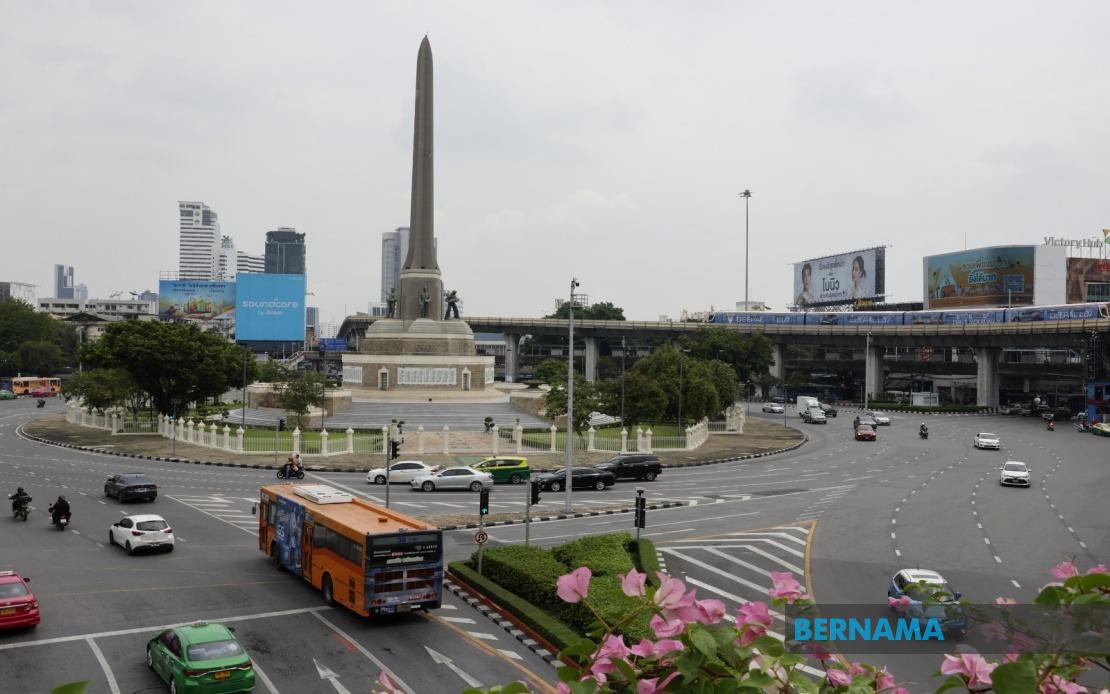
Southeast Asia is entering a period of intensified bilateral and multilateral engagement, with major policy announcements and landmark agreements reshaping the region's economic landscape. From Indonesia's strategic partnerships with distant nations to the Philippines' aggressive pursuit of free trade arrangements, the six nations of Indonesia, Laos, Myanmar, Philippines, Thailand, and Vietnam are demonstrating renewed commitment to regional integration and economic development.
Indonesia has taken a significant diplomatic step by formalising its relationship with Belarus through a comprehensive cooperation roadmap. President Prabowo Subianto and Belarusian President Alexandr Lukashenko launched the Roadmap for Strengthening Indonesia-Belarus Cooperation 2026–2030, establishing a five-year framework that signals Jakarta's intent to diversify its international partnerships beyond traditional Asian allies. This arrangement reflects Indonesia's broader strategy to engage with non-traditional partners and expand economic opportunities for Southeast Asia's largest economy, potentially opening new avenues for technology transfer and investment flows into the region.
Within Indonesia's domestic sphere, the government is recalibrating its fiscal priorities to address regional inequalities. The Budget Committee of the Indonesian House of Representatives has emphasised that regional transfer funds in the 2027 State Budget Draft will prioritise increasing welfare across provinces and localities. This policy adjustment acknowledges the persistent development gaps between Java and the outer islands, and signals Jakarta's commitment to ensuring that economic growth translates into tangible improvements in living standards across the archipelago. The emphasis on regional distribution mechanisms suggests a deliberate effort to strengthen local economies and reduce dependency on central government support.
Laos has completed a major infrastructure initiative that promises to reshape Vientiane's relationship with the Mekong River. The Mekong River Integrated Management Project Phase II, now finished, addresses both practical flood prevention concerns and tourism development objectives. The transformation of riverbanks into recreational and tourism attractions reflects a broader Southeast Asian trend of repurposing critical natural resources as economic drivers. For a landlocked nation heavily dependent on regional trade corridors, improving flood management while creating tourism infrastructure represents a dual benefit that could attract both regional investment and foreign visitors.
Concurrently, Laotian lawmakers are grappling with fundamental development challenges. The National Assembly has engaged in substantive discussions regarding poverty reduction, clean energy transition, and natural resource management. The government's stated intention to strengthen cooperation between executive and legislative branches on socio-economic challenges underscores recognition that addressing regional inequality requires coordinated policy implementation across government institutions. This dialogue framework may serve as a model for other Southeast Asian nations confronting similar development pressures.
Myanmar's economic engagement strategy reflects pragmatic diversification. High-level talks between Myanmar and Belarus focused on expanding cooperation across industrial, agricultural, pharmaceutical, and humanitarian sectors. These discussions occur against a backdrop of Myanmar's complex international position and underscore efforts to build economic relationships that can support development goals. Simultaneously, Myanmar's military leadership has moved to address international concerns regarding recruitment practices. Officials have reviewed and implemented measures to prevent underage recruitment, demonstrating responsiveness to both domestic welfare concerns and international scrutiny. The return of mistakenly recruited minors to their families indicates administrative correction mechanisms are functioning within military institutions.
The Philippines is pursuing an ambitious trade agenda with developed economies. President Ferdinand R. Marcos Jr. and Canadian Prime Minister Mark Carney witnessed the signing of four key agreements strengthening cooperation in energy, labour, tourism, and cultural fields. More significantly, both leaders reaffirmed commitment to concluding free trade agreement negotiations before 2026 year-end. For the Philippines, securing an FTA with Canada represents access to a developed economy market and potential technology partnerships in strategic sectors. This reflects Manila's broader strategy of leveraging trade agreements to accelerate industrialisation and service sector development.
Thailand is confronting internal governance challenges that carry implications for institutional credibility. Prime Minister Anutin Charnvirakul revealed that a fact-finding probe uncovered irregularities in civil service recruitment examinations, with four groups implicated and five officials of the Department of Local Administration facing disciplinary action. Such transparency regarding examination fraud, while highlighting systemic vulnerabilities, demonstrates commitment to institutional integrity. Meanwhile, the Criminal Court sentenced eight individuals—four obstetricians and four brokers—to up to 15 years imprisonment for involvement in transnational commercial surrogacy networks. This enforcement action reaffirms Thailand's pivot away from practices perceived as commodifying human reproduction, aligning domestic law with international human rights standards and responding to long-standing criticism from advocacy organisations.
Vietnam is strategically positioning itself within competing economic frameworks. The Japan Bank for International Cooperation has pledged continued support for Vietnam's development agenda, with emphasis on emerging sectors including semiconductors, artificial intelligence, digital transformation, and green energy transition. This Japanese commitment reflects recognition of Vietnam's centrality to regional supply chains and technology ecosystems. Vietnam's conclusion of trade negotiations with the European Free Trade Association marks a parallel opening toward European markets, suggesting Hanoi is deliberately cultivating relationships across multiple economic blocs rather than concentrating dependence on any single partner.
These developments collectively illustrate Southeast Asia's navigation of a complex global environment characterised by great power competition and shifting trade dynamics. Nations are simultaneously pursuing deeper regional integration while diversifying international partnerships, seeking to maximise access to markets, investment capital, and technology. Infrastructure investments like Laos' river management projects and policy reforms addressing governance integrity reflect recognition that sustainable development requires both external partnerships and internal institutional strengthening. The emphasis across multiple countries on trade agreements, bilateral cooperation frameworks, and economic sector development suggests regional policymakers view coordinated economic integration as the most viable pathway to improving living standards and positioning Southeast Asia competitively within emerging global supply chains.

